In modern metalworking and industrial manufacturing, the performance of stamping equipment directly impacts production efficiency, machining precision, and overall corporate costs. Among various stamping machines, hydraulic presses have gradually become essential equipment in sheet metal fabrication, automotive manufacturing, machinery, home appliances, and aerospace industries due to their stability, flexibility, and high load-bearing capacity. Compared to traditional mechanical presses, hydraulic presses demonstrate significant advantages in structural principles and application performance.
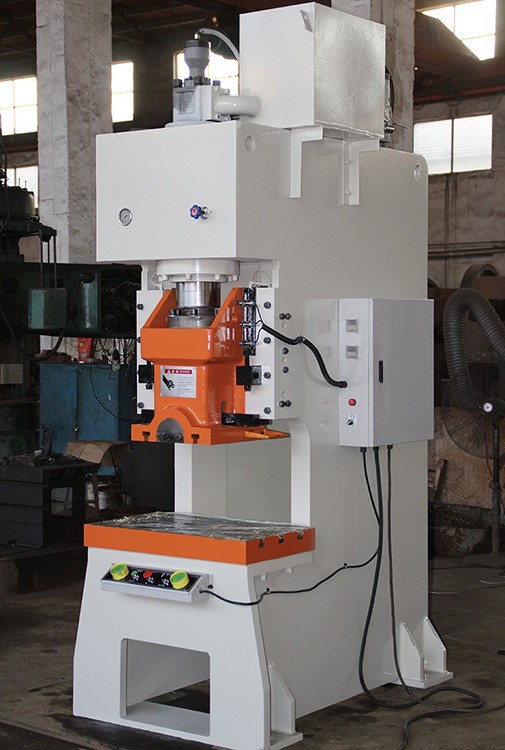
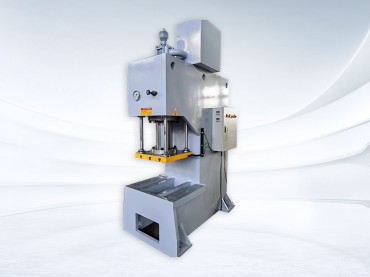
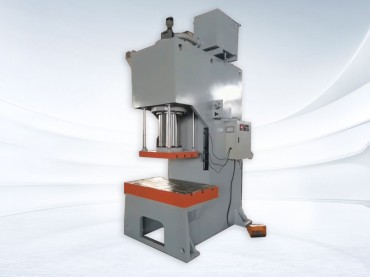
Hydraulic presses utilize hydraulic systems as their power source, transmitting energy through hydraulic fluid to achieve precise control over the ram. Unlike mechanical presses that rely on flywheels and crankshafts, hydraulic presses deliver smoother, continuous, and adjustable pressure output. In actual production, operators can freely adjust pressure magnitude, speed, and stroke according to different process requirements. This controllability makes hydraulic presses particularly suitable for demanding processes like stretching, forming, and straightening, effectively preventing material cracking or deformation caused by excessive instantaneous impact.
Hydraulic presses demonstrate significant advantages in process adaptability. Whether punching, bending, stretching, pressing, straightening, or forming, hydraulic presses can easily handle these tasks through parameter adjustments. Additionally, they exhibit superior mold adaptability, accommodating various non-standard molds and meeting the demands of multi-variety, small-batch, and customized production. This characteristic grants them immense application value in today's industrial environment, which emphasizes flexible manufacturing and rapid market responsiveness.
Structurally, hydraulic presses typically combine hydraulic cylinders, pump stations, and control systems into a relatively streamlined configuration with minimal component wear. Compared to the complex transmission mechanisms in mechanical presses, hydraulic systems maintain greater stability during prolonged operation. This structural advantage not only enhances operational reliability but also reduces failure rates, ensuring continuous production line operation and minimizing downtime losses.
Safety is a critical factor in selecting stamping equipment. Hydraulic presses offer inherent advantages in safety protection:
- Pressure can be set with an upper limit to prevent overload operation;
- The system features overload protection, automatically relieving pressure during abnormal pressure conditions;
- Minimal impact during operation ensures more uniform stress distribution on equipment and dies;
- Easy integration with light curtains, emergency stop devices, and intelligent monitoring systems.
These safety features not only protect the equipment itself but also significantly reduce operator safety risks, meeting modern factories' high standards for safe production.
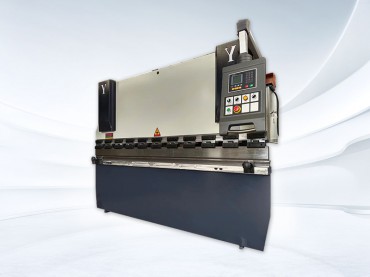
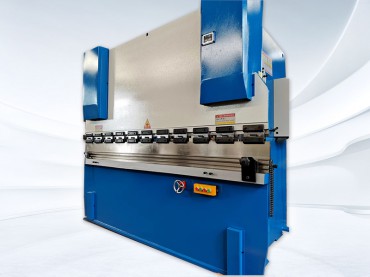
Hydraulic press brakes maintain stable pressure throughout the entire stroke, which is particularly crucial for enhancing processing precision. Especially in stretching and forming processes, uniform pressure distribution helps ensure consistent workpiece dimensions and superior surface quality. For enterprises pursuing high-quality, highly consistent products, hydraulic press brakes offer distinct advantages in reducing rework rates and improving finished product yield.
With continuous advancements in hydraulic technology and control systems, modern hydraulic presses have achieved significant improvements in energy efficiency. Technologies like variable displacement pumps and servo hydraulic systems enable automatic energy adjustment based on actual load, preventing unnecessary energy waste. Additionally, hydraulic presses offer high compatibility with CNC systems and automated production lines, facilitating intelligent upgrades and laying the foundation for enterprises to advance toward digital manufacturing and smart factories.
In summary, hydraulic presses have become a vital choice in modern stamping operations due to their multiple advantages: stable pressure, strong adaptability, safety and reliability, high processing precision, and significant potential for intelligent integration. Against the backdrop of manufacturing's ongoing shift toward high quality, efficiency, and safety standards, the application prospects for hydraulic presses will continue to expand, and their value in industrial production will become increasingly prominent.
 Address:Room 1202, Detaitang Building, No. 118 Huaguang Road, Zhangdian District, Zibo, Shandong
 WhatsApp:+8615653328535
 Wechat: +8615965331535
  E-mail:zs@sdsmachinery.com