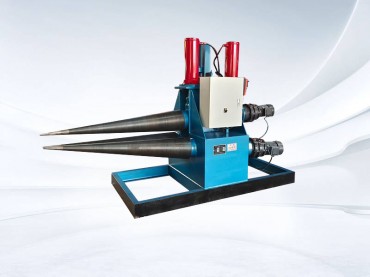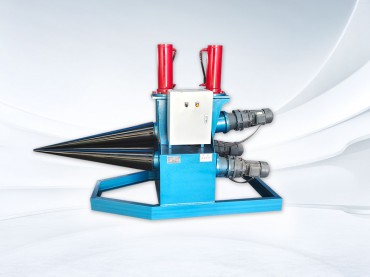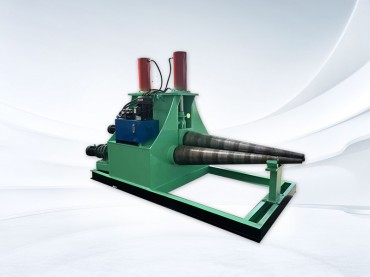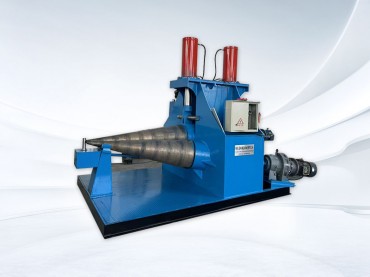
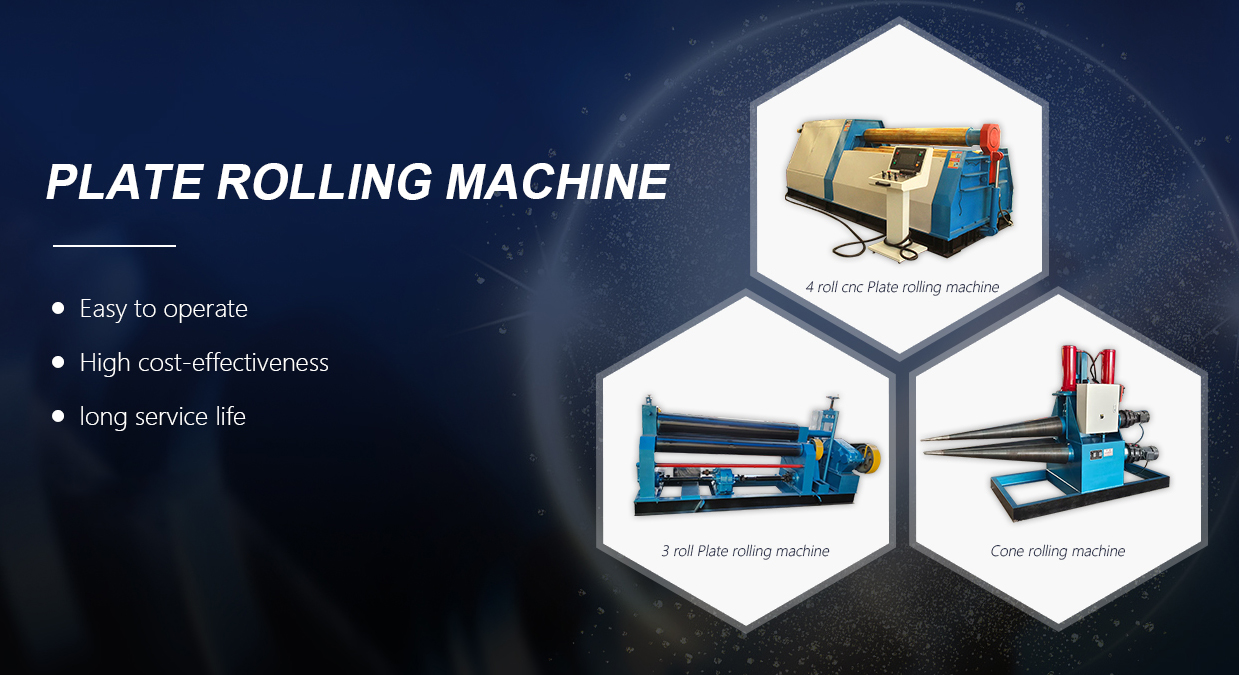
A cone rolling machine is a crucial piece of equipment for metal sheet processing, widely used in industries such as construction, shipbuilding, petrochemicals, and pressure vessel manufacturing. As a specialized machine, it transforms flat metal sheets into conical or tapered components through its unique mechanical structure. This equipment plays a crucial role in modern industrial production, particularly in large-scale manufacturing and high-precision processing, where it significantly enhances production efficiency and processing quality.
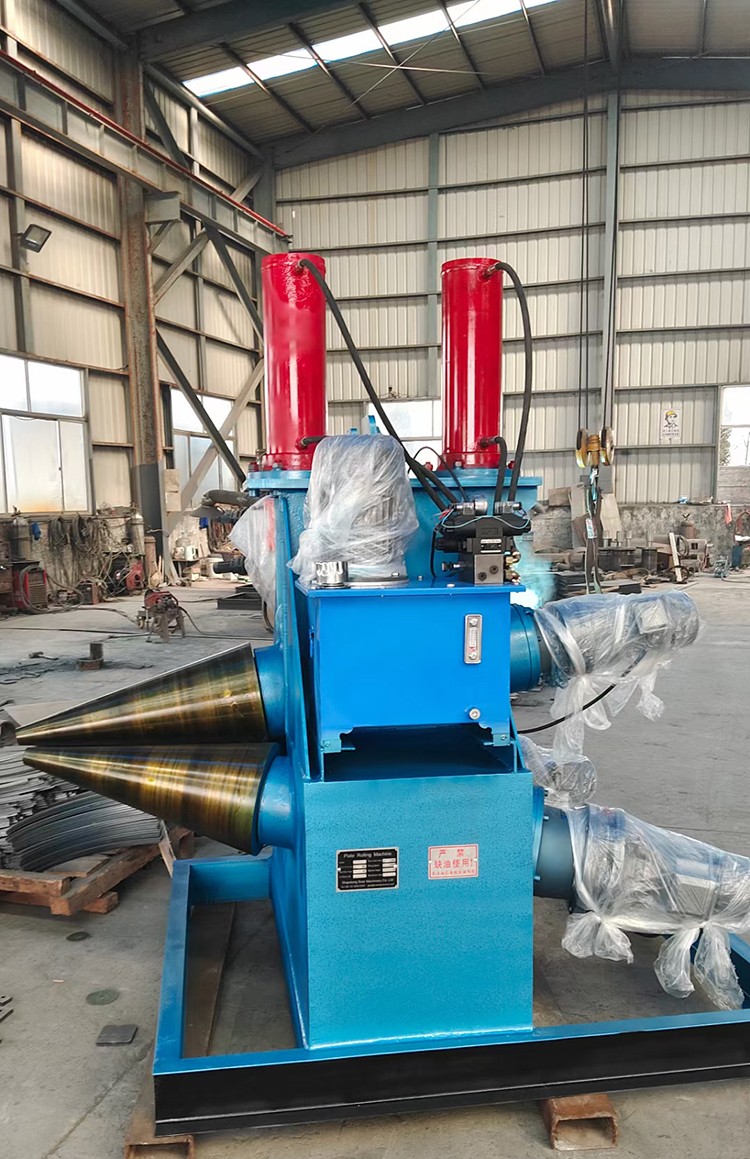
A cone rolling machine is specialized equipment designed to roll metal sheets into conical or tapered structures. Through processes like rolling and bending, the cone rolling machine enables sheet metal to form a gradually tapering conical structure in three-dimensional space. Compared to traditional manual methods, cone rolling machines offer higher precision, faster processing speeds, and reduced material waste. Consequently, they are widely used across industries requiring conical or tapered components.
The primary function of a cone rolling machine is to roll metal sheets into conical shapes. By controlling the pressure and rotational speed of the rollers, the machine gradually gathers the sheet from one end, ultimately forming a conical body. Whether producing small-angle or large-angle cones, the cone rolling machine handles both with ease, meeting diverse engineering requirements.
Beyond conical processing, the cone rolling machine can also bend metal sheets. By adjusting machine settings, it bends specific areas of the sheet to create various curved shapes. This function is crucial for producing special-shaped components like pressure vessel heads/bottoms or fan housings.
Modern cone rolling machines are typically equipped with advanced CNC systems and automated control technology, enabling precise regulation of the machine's operational processes. Through computer program control, operators can adjust machine parameters (such as roller spacing, angle, pressure, etc.) according to different processing requirements, achieving high-precision conical rolling and forming. This automated control significantly enhances production efficiency and processing accuracy, making it especially suitable for large-scale production and the processing of complex structures.
Many advanced cone rolling machines not only perform conical rolling but also offer additional processing functions like straight-edge rolling and ring forming. Through appropriate adjustments and accessory replacements, these machines can flexibly accommodate diverse processing demands, enhancing their applicability and market competitiveness.
(1) Initial Clamping of the Sheet: Place the metal sheet in the machine's feed zone. The robotic arm or clamping device secures it to ensure stable positioning during processing.
(2) Roll Adjustment: The cone rolling machine typically features three or four rolls, with two fixed on either side of the machine and one adjustable to control the sheet's bending degree. By adjusting the roll angle and pressure, the sheet gradually begins to form a conical shape.
(3) Rolling Process: Under the action of the machine's rollers, the metal sheet is progressively drawn toward the center. The angles at both ends of the sheet gradually change, forming a conical structure. Throughout this process, the machine controls force and speed according to preset parameters, ensuring a smooth and efficient operation.
(4) Precision Forming: After repeated adjustments and rolling, the metal sheet is finally formed into a precise cone. The rolled conical sheet can then be used for further welding, assembly, or other processing steps.
In construction, cone rolling machines are commonly used to manufacture various conical and tapered structural components such as chimneys, towers, and roof structures. These elements provide critical support, ensuring the safety and stability of buildings.
The shipbuilding industry requires numerous conical components, including hull hatches and drainage ports. Cone rolling machines precisely process these tapered sections to meet ship design and manufacturing requirements.
Pressure vessels like boilers and storage tanks often require conical or tapered structures. Cone rolling machines produce high-quality, standard-compliant tapered components for these vessels, ensuring safety and stability under high-pressure conditions.
Petrochemical equipment, particularly reactors and storage tanks, requires conical metal components. Cone rolling machines provide precise conical machining for these complex metal parts, meeting high-precision industrial requirements.
In mechanical manufacturing, many equipment housings or components require conical processing, such as fan casings and pipe connectors. The precise machining capability of cone rolling machines makes them indispensable equipment in the mechanical manufacturing field.
As an efficient and precise metal processing device, cone rolling machines are widely used in construction, shipbuilding, petrochemical, and other industries, undertaking the manufacturing tasks of conical and conical components. Through advanced automated control technology, cone rolling machines achieve high-efficiency, high-precision processing, significantly enhancing production efficiency and machining quality. With technological advancements, cone rolling machines will continue evolving toward intelligent, multifunctional, and eco-friendly designs. They will meet diverse conical processing demands across industries, solidifying their role as critical equipment in modern industrial production.
 Address:Room 1202, Detaitang Building, No. 118 Huaguang Road, Zhangdian District, Zibo, Shandong
 WhatsApp:+8615653328535
 Wechat: +8615965331535
  E-mail:zs@sdsmachinery.com