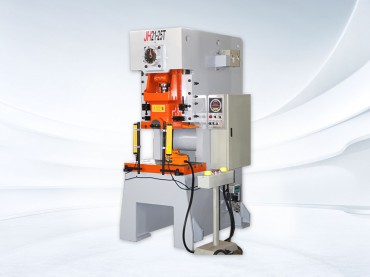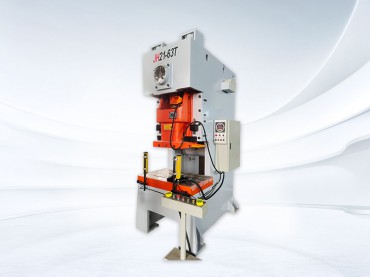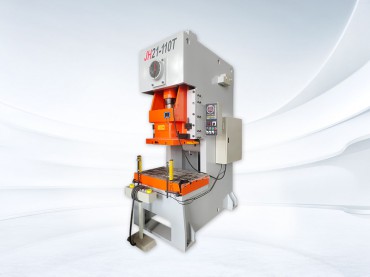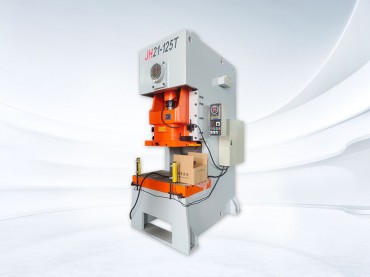
In modern manufacturing, punch presses and hydraulic presses are common metalworking equipment. Although both are widely used in metal forming and processing operations, they exhibit significant differences in working principles, application domains, and technical characteristics. Understanding the distinctions between punch presses and hydraulic presses enables enterprises to make more informed equipment selections during production, thereby enhancing production efficiency and product quality. This article analyzes the primary differences between punch presses and hydraulic presses from multiple perspectives.
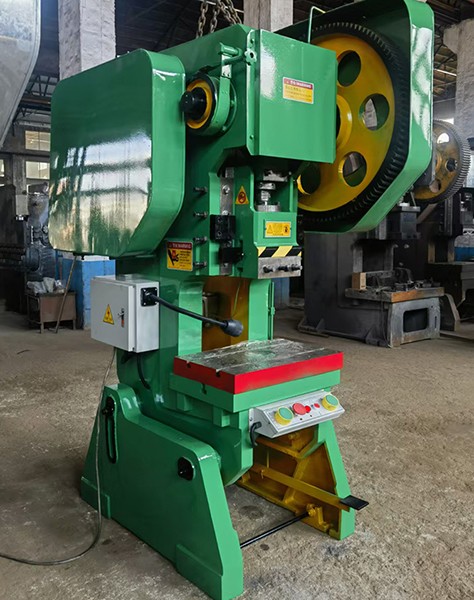
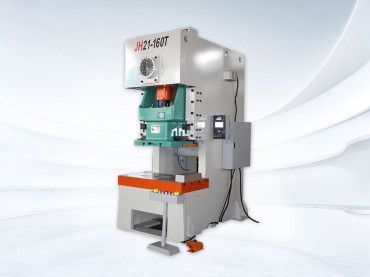
A punch press is a machine that utilizes mechanical power to drive tools for metal stamping. Through high-speed, low-load impact forces, punch presses are suitable for operations such as punching holes, cutting, bending, and stretching metal sheets. The power source for punch presses is typically an electric motor, which converts power into impact force through a series of transmission systems (such as flywheels, crankshafts, etc.). Punch presses are commonly used in production processes requiring high efficiency and precision.
A hydraulic press converts fluid pressure into mechanical force through a hydraulic system, driving working components to perform pressing, forming, or compression operations. Core components include hydraulic cylinders, pumps, reservoirs, and valves, with hydraulic fluid transmitting power. Due to its adjustable pressure capabilities, the hydraulic press excels at high-pressure, long-stroke forming tasks, making it particularly suitable for processing large, complex components.
Punch presses operate on mechanical systems, typically driven by electric motors that rotate crankshafts or flywheels to generate high-speed impacts. This process relies on physical collision to deliver powerful force, commonly used for punching, drilling, and shearing metal sheets. Their primary advantages are high-speed, precise impact capability, making them suitable for mass production.
Hydraulic presses operate based on the incompressibility of liquids. A hydraulic pump within the system converts hydraulic fluid energy into mechanical pressure, driving the piston within the hydraulic cylinder to perform work. Unlike the impact-based pressure of punch presses, hydraulic presses deliver stable pressure over extended strokes, making them suitable for operations requiring substantial force and sustained pressure. Their key advantage lies in the ability to flexibly adjust pressure levels according to specific requirements, enabling the processing of more complex and larger-sized workpieces.
Punch presses rely on mechanical power systems, generating pressure that is typically brief and concentrated, making them suitable for high-speed stamping operations. Hydraulic presses utilize hydraulic systems to produce continuous, uniform pressure, ideal for processing complex workpieces and large-sized components. Hydraulic presses significantly outperform punch presses in terms of pressure continuity and adjustability.
Punch presses operate at high speeds, making them suitable for high-volume, rapid production tasks. Due to their impact-based operation, they can complete stamping tasks in minimal time. In contrast, hydraulic presses offer slower processing speeds but provide stable pressure, making them ideal for processes requiring prolonged, continuous pressure application.
Punch presses excel at operations like punching, hole-making, and cutting thin sheets and thin-walled workpieces with high precision. Hydraulic presses can handle thicker materials, particularly excelling in forming complex shapes and large-sized workpieces. Their uniform pressure distribution makes them suitable for tasks requiring substantial pressure and higher precision.
Punch presses excel in high-speed, mass-production scenarios such as automotive manufacturing, electronic component production, and home appliance industries. Hydraulic presses are better suited for heavy-duty processing, large-scale mold forming, and complex workpiece machining in sectors like aerospace, metallurgy, shipbuilding, and heavy machinery.
The primary strengths of punch presses lie in their high efficiency and rapid operation. Due to their simple working principle and reliance on mechanical systems for drive, these machines achieve high operating speeds, making them highly suitable for mass production. Punch presses also offer high precision, ensuring consistent product quality during high-speed manufacturing.
The primary drawback of punch presses is their limited applicability. Due to their concentrated impact force, they are typically suited only for relatively simple operations such as punching, hole-making, and cutting. They cannot meet the requirements for processing large-sized or complex-shaped workpieces. Additionally, their operation relies on high-speed impact, making them less effective for tasks requiring sustained pressure.
The primary strength of hydraulic presses lies in their exceptional adjustability. They can precisely regulate pressure levels to suit specific requirements, making them highly suitable for forming and pressing complex shapes and large-sized components. Furthermore, hydraulic presses deliver uniform, sustained pressure, making them ideal for operations requiring prolonged force application, such as mold pressing and deep drawing.
Hydraulic presses operate at slower speeds, making them less efficient than punch presses in high-speed production environments. Furthermore, hydraulic presses involve higher equipment costs and more complex maintenance, particularly requiring regular inspection and upkeep of hydraulic systems, resulting in elevated operational and maintenance expenses.
Punch presses are suitable for high-speed, high-volume production scenarios, such as:
- Automotive Manufacturing: For stamping vehicle bodies and components in high-volume production.
- Home Appliance Industry: Suitable for stamping appliance housings and metal parts.
- Electronics Industry: Used for precision stamping and punching of electronic components.
- Metal Processing: Applicable for punching, shearing, bending, and other operations on metal sheets.
Hydraulic presses are suitable for applications requiring high pressure and complex shape processing, such as:
- Mold forming: Used for pressing and shaping large molds, particularly in automotive and aerospace industries.
- Heavy machinery manufacturing: Hydraulic presses produce components and structural parts for heavy machinery.
- Plastic molding: Hydraulic presses are widely used in plastic compression, hot pressing, and cold pressing processes.
- Precision machining: Hydraulic presses handle high-precision, complex-shaped metal forming and pressing.
Punch presses and hydraulic presses each possess distinct advantages and disadvantages. Selecting the appropriate equipment depends on specific production requirements. For high-speed, high-precision, and high-volume production, punch presses are the ideal choice. Conversely, hydraulic presses are preferable for tasks requiring high pressure, long strokes, or the forming of complex workpieces. In actual production, rational equipment selection enhances production efficiency, ensures product quality, and reduces manufacturing costs.
 Address:Room 1202, Detaitang Building, No. 118 Huaguang Road, Zhangdian District, Zibo, Shandong
 WhatsApp:+8615653328535
 Wechat: +8615965331535
  E-mail:zs@sdsmachinery.com