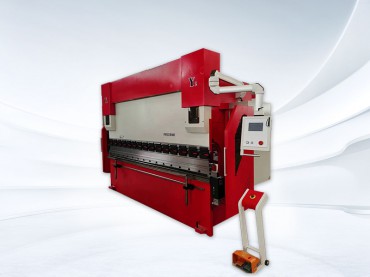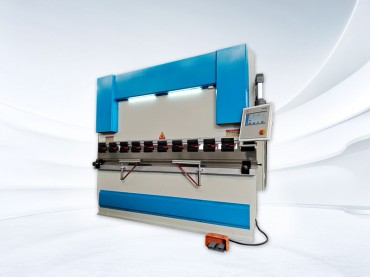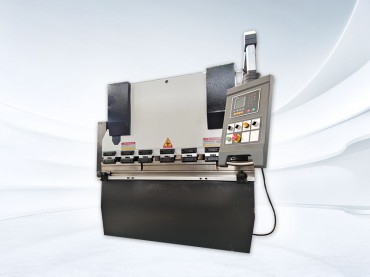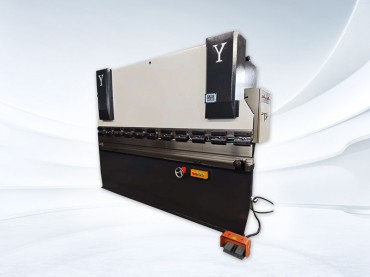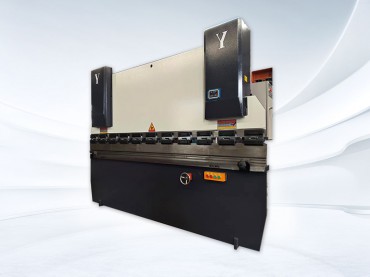
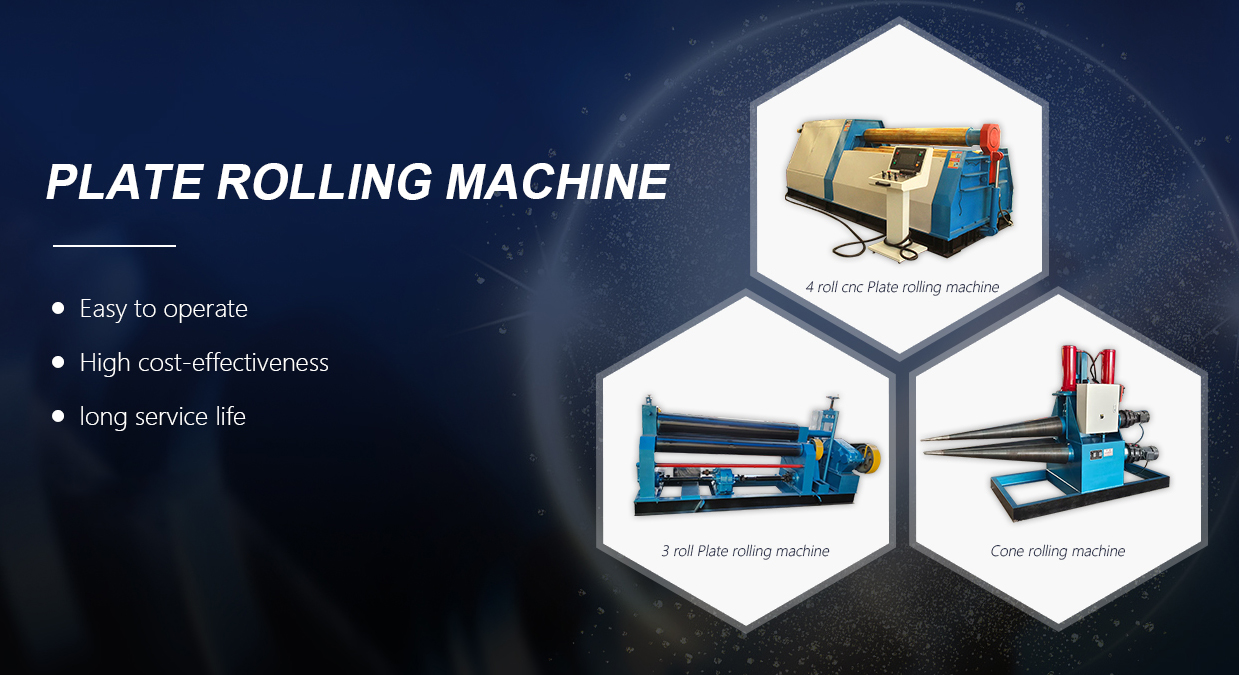
A press brake is a mechanical device used for processing sheet metal, widely applied in industries such as machinery manufacturing, construction, aerospace, automotive, and home appliances. It bends sheet metal through hydraulic or mechanical drive to achieve the desired geometric shapes and angles. Press brakes play a crucial role in metal forming processes, capable of handling various types of metal materials to meet different processing requirements.
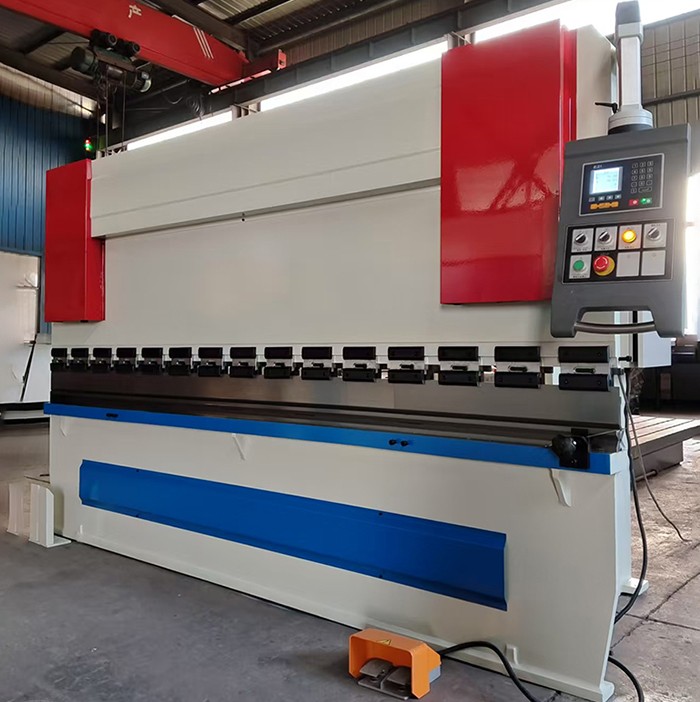
Hydraulic press brakes generate high pressure through hydraulic systems to clamp the upper and lower dies together, applying force to the metal sheet. These machines offer high processing precision and operational flexibility, making them suitable for large-scale production.
Mechanically driven press brakes utilize mechanical transmission mechanisms to drive the upper die for bending. While typically offering faster processing speeds, their bending capacity and applicability are relatively limited, making them common for small to medium-scale production needs.
Electric drive press brakes combine the advantages of hydraulic and mechanical systems. They employ electric servo motors to precisely control the movement of the upper and lower dies, enabling more accurate execution of complex bending shapes.
The fundamental principle of a press brake involves deforming metal sheets through applied force, typically used to create bent angles, folds, formed sections, closures, and other metal structures.
The core function of a press brake is to bend metal sheets to a specified angle using the force exerted by the upper and lower dies. Processing angles range from a few degrees to 180 degrees, accommodating diverse complex shapes and dimensional requirements.
Beyond bending, press brakes perform flanging and sealing operations. For instance, when manufacturing metal boxes, enclosures, or other edged components, press brakes precisely seal and flange edges.
Modern press brakes are typically equipped with advanced CNC systems, enabling precise control according to programmed settings to achieve complex bending shapes with high accuracy and repeatability. This precision capability is particularly suited for industries demanding strict dimensional tolerances, such as aerospace and electronics manufacturing.
Many press brakes support die interchangeability, accommodating diverse processing requirements like bending at different angles or forming various shapes. By swapping dies, press brakes can process intricate sheet metal shapes like V-shaped, U-shaped, and arc-shaped bends.
Within the mechanical manufacturing sector, press brakes are extensively used to produce metal structural components such as housings, frames, and brackets. They can process various materials including carbon steel, stainless steel, and aluminum alloys, ensuring part strength and dimensional accuracy.
The construction sector frequently employs press brakes to process metal sheets, producing various metal products like structural steel beams, support frames, and railings. These machines efficiently bend metal materials according to design specifications, providing reliable structural support for buildings.
press brakes play a crucial role in automotive manufacturing, primarily processing metal components such as body parts, chassis support frames, and door frames. By precisely controlling bending angles, press brakes enable high-precision production of automotive components.
Press brakes are also widely used in the home appliance industry, particularly for producing metal casings. Metal enclosures for appliances often require bending and forming processes, where press brakes provide precise support throughout production.
The aerospace industry demands extreme precision. Through CNC systems and high-accuracy dies, press brakes can fabricate aircraft structural components that meet requirements for lightweight construction and high strength.
Press brakes are also extensively used in producing enclosures for electronic products, especially when processing metal housings, panels, and frames. They deliver high-precision bending angles to ensure both the aesthetic appearance and functional integrity of the products.
Different press brakes are suited for varying metal sheet materials and thicknesses. When selecting a press brake, first consider the material type (e.g., steel, stainless steel, aluminum alloy) and thickness required for processing. Hydraulic press brakes are suitable for thicker metal sheets, while mechanical press brakes are typically used for thinner sheets.
For parts demanding high precision, especially those requiring complex shapes and tight tolerances, CNC press brakes should be selected. CNC press brakes offer superior accuracy and greater operational flexibility, making them suitable for precision machining needs.
For large-scale or batch production requirements, selecting high-speed, high-efficiency press brakes is critical. Hydraulic and CNC press brakes generally offer high productivity, making them suitable for scenarios demanding high output and rapid delivery.
Selecting a press brake that is easy to operate and maintain reduces operator training costs and ensures long-term stable operation. Modern press brakes typically feature user-friendly CNC systems and intelligent functions, facilitating adjustments and maintenance by operators.
press brake prices vary based on model, functionality, precision, and other factors. When selecting equipment, make rational choices aligned with actual needs and budget to avoid resource wastage while ensuring the machine meets production requirements.
As indispensable equipment in sheet metal processing, press brakes are widely adopted across industries due to their efficiency, precision, and versatility. Selecting the appropriate press brake not only enhances production efficiency but also ensures product quality and precision. With continuous technological advancements, press brakes will offer increasingly diverse performance and functionality to meet broader market demands. For enterprises, understanding the working principles, functions, and application areas of press brakes, along with key selection criteria, will facilitate better decision-making to optimize and elevate production processes.
 Address:Room 1202, Detaitang Building, No. 118 Huaguang Road, Zhangdian District, Zibo, Shandong
 WhatsApp:+8615653328535
 Wechat: +8615965331535
  E-mail:zs@sdsmachinery.com