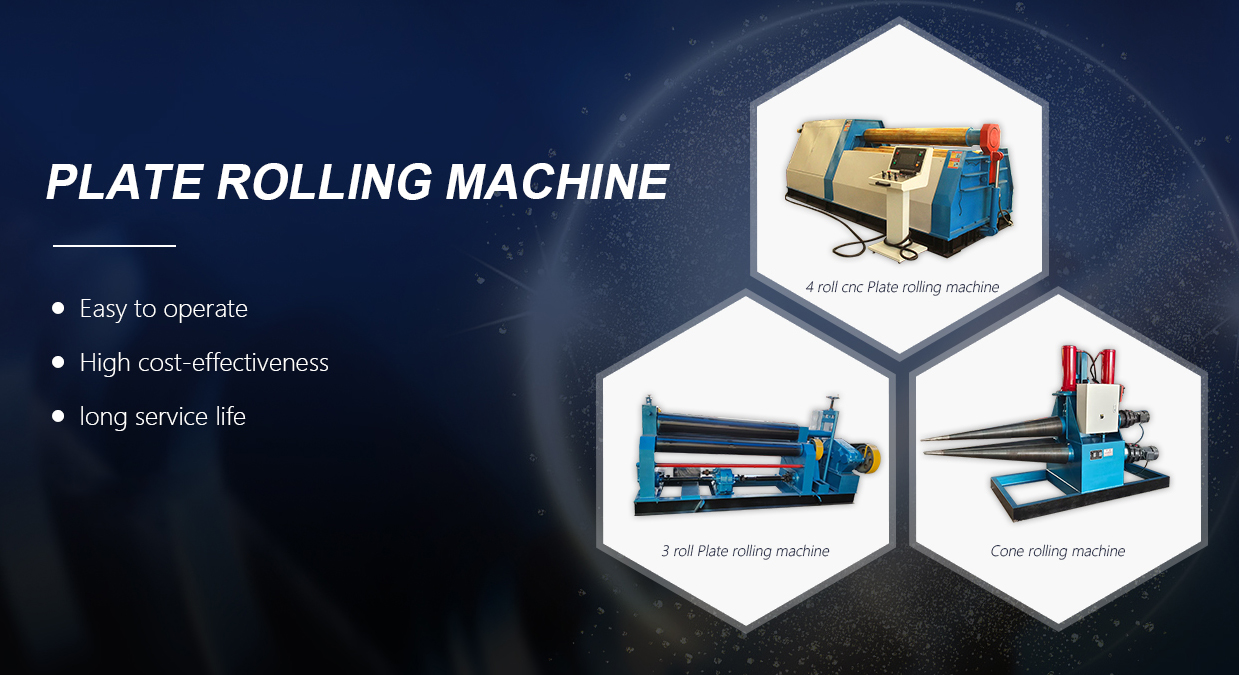
With the continuous advancement of metal processing technology, plate rolling machines play a crucial role across numerous industries. They are not only used for manufacturing complex metal products but also widely applied in sectors such as shipbuilding, pressure vessels, chemical engineering, construction, and machinery. In these fields, as core processing equipment, the types and technical characteristics of plate rolling machines directly impact production efficiency and processing quality. Therefore, understanding the types of plate rolling machines and their applicable ranges is of great importance.
Plate rolling machines can be categorized into various types based on structural design and operational methods. Primary classification criteria include: number of rollers, drive mechanisms, and functional capabilities. Below are several common types of plate rolling machines.
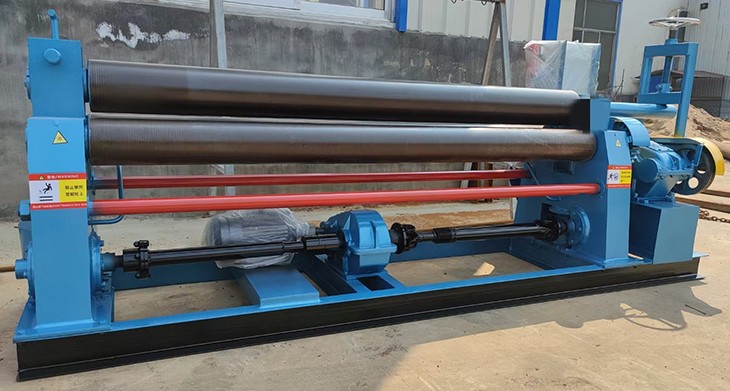
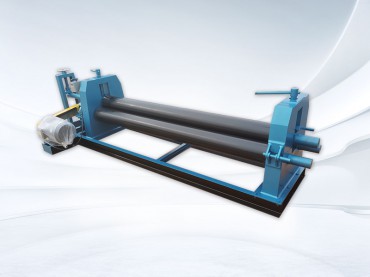
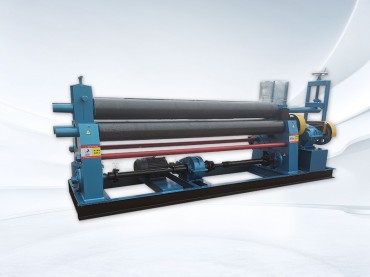
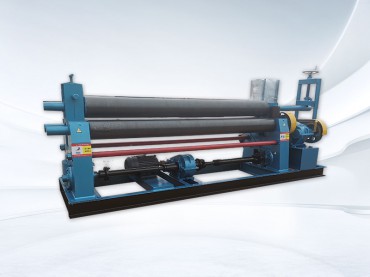
The three-roll plate rolling machine is the most common and widely used type, featuring a typical configuration of two lower rolls and one upper roll. Three-roll plate rolling machines are generally divided into two types:
- Top-roll downward pressure three-roll plate rolling machine: This design features an upper roll that moves vertically to control plate deformation. It is suitable for rolling medium-to-thick plates.
- Bottom-roll upward pressure three-roll plate rolling machine: This type employs a bottom roll that applies upward pressure, making it suitable for rolling plates with special shapes and requirements.
The advantages of three-roll plate rolling machines lie in their simple structure, ease of operation, and capability to process plates of various thicknesses and lengths.
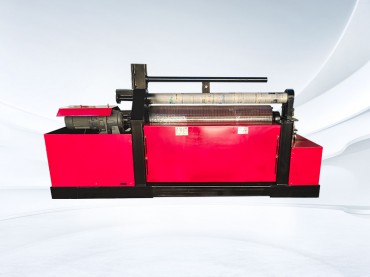
The design of a four-roll plate rolling machine includes two upper rolls and two lower rolls, typically used for processing thicker plates or those with large diameters. The advantage of the four-roll plate rolling machine lies in its ability to provide greater processing pressure, making it suitable for producing large metal structures such as ships and large pressure vessels.
- Two upper rolls are drive rolls: The upper rolls of the four-roll plate rolling machine typically function as drive rolls to apply pressure to the plate.
- Lower rolls function as support rolls: The lower rolls bear the plate and ensure precise centering.
Due to their high precision and load capacity, four-roll plate rolling machines are particularly suited for rolling plates requiring high accuracy and strength.
CNC plate rolling machines represent advanced equipment developed with automation technology, widely used for complex plate rolling. Through a digital control system, CNC plate rollers precisely regulate each roller's movement, automatically adjusting sheet positioning and pressure to achieve exceptional rolling accuracy and consistency.
Typically featuring three- or four-roller configurations, their distinctive advantage lies in advanced control systems enabling automated operation. This reduces manual intervention, enhancing production efficiency and machining precision.
Hydraulic plate rolling machines utilize hydraulic systems for plate rolling, providing exceptionally uniform and precise pressure control. The pressure and speed of the roll shafts in hydraulic machines are typically controlled by hydraulic devices. This design enables hydraulic machines to handle thick plates, large-format sheets, and high-strength steel more effectively.
The advantage of hydraulic systems lies in their ability to deliver higher rolling forces with greater flexibility, making them suitable for processing high-hardness materials, wider plates, or irregularly shaped sheets.
Mechanical roll forming machines rely on electric or mechanical drives to bend sheet metal. Though their operation is more traditional, they remain widely used in certain small and medium-sized enterprises. The primary characteristics of mechanical roll forming machines are their simple structure and low cost, making them suitable for processing conventional metal sheets with less stringent precision requirements.
Due to their lower automation level, mechanical roll forming machines generally require manual operation and are best suited for scenarios with short production cycles and small batch sizes.
Choosing a plate rolling machine that matches your production needs is key to boosting efficiency and ensuring quality. Different types suit varying environments and requirements. Consider these factors:
For thick or high-strength sheets, four-roll or hydraulic plate rolling machines are often superior due to their greater pressure capacity and precision control. For medium-thickness plates, a three-roll plate rolling machine is generally sufficient.
If your production demands high precision, a CNC plate rolling machine is undoubtedly the optimal choice. Its automated control system enables full monitoring of the rolling process, ensuring consistent machining accuracy.
For shorter production cycles or larger batch production, highly automated hydraulic plate rolling machines or CNC plate rolling machines can significantly enhance production efficiency and reduce manual intervention.
Four-roll plate rolling machines and hydraulic plate rolling machines involve higher investment costs, while three-roll plate rolling machines and mechanical plate rolling machines are more suitable for enterprises with limited budgets. Select the appropriate equipment type based on the company's financial status and production scale.
As core equipment in metal processing, the selection of a plate rolling machine directly impacts production efficiency, machining precision, and cost control. Different types of rolling machines offer distinct advantages in various application scenarios. Users can make choices based on sheet thickness, material properties, production requirements, and budget. With technological advancements, the automation and intelligence levels of plate rolling machines will continue to improve. More efficient, precise, and flexible rolling equipment will lead the market's development direction.
If you are interested in plate rolling machines, please contact us. We will recommend suitable equipment and provide a quotation.
 Address:Room 1202, Detaitang Building, No. 118 Huaguang Road, Zhangdian District, Zibo, Shandong
 WhatsApp:+8615653328535
 Wechat: +8615965331535
  E-mail:zs@sdsmachinery.com