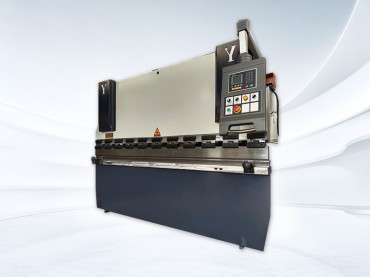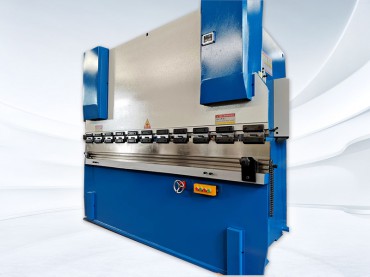
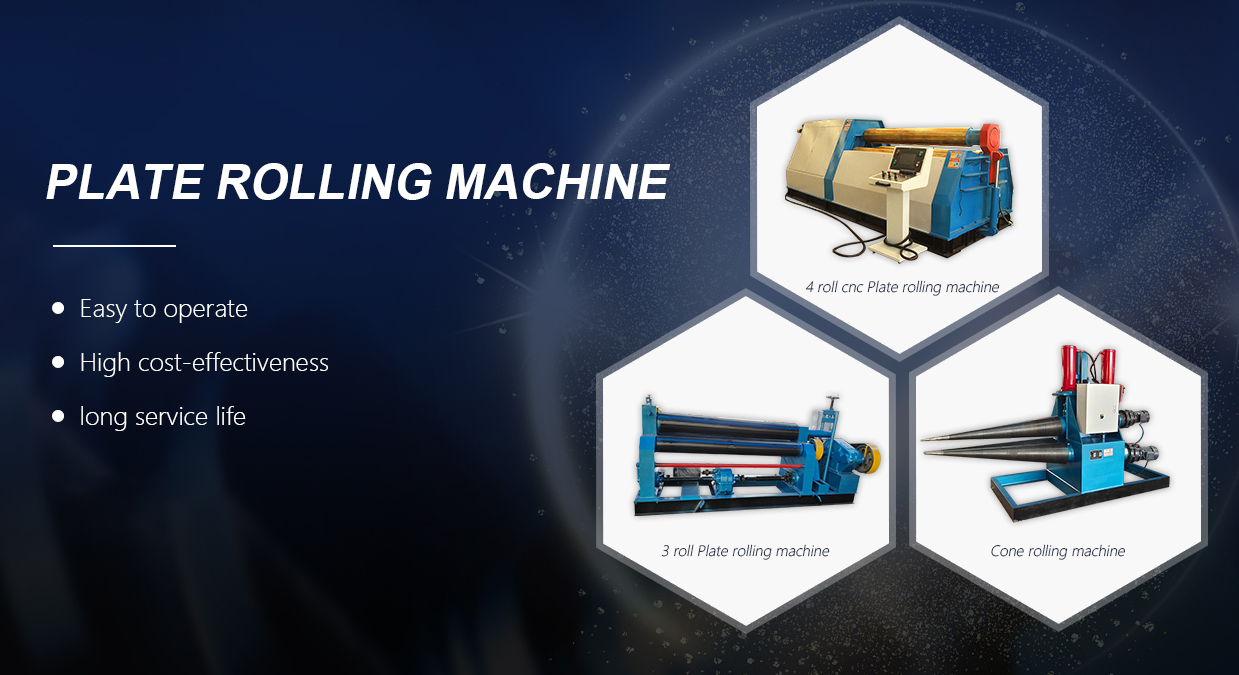
With the development of sectors such as sheet metal processing, mechanical manufacturing, automotive parts production, and architectural decoration, the hydraulic press brake has become a common piece of equipment for metal sheet processing. By utilizing a hydraulic system to provide stable pressure, it enables metal sheets to be bent into predetermined angles and shapes—a capability applicable to a wide range of thicknesses, dimensions, and material types. For businesses requiring mass production or high-precision bending, the correct use of a hydraulic press brake not only boosts processing efficiency but also improves dimensional consistency across products and reduces material waste.
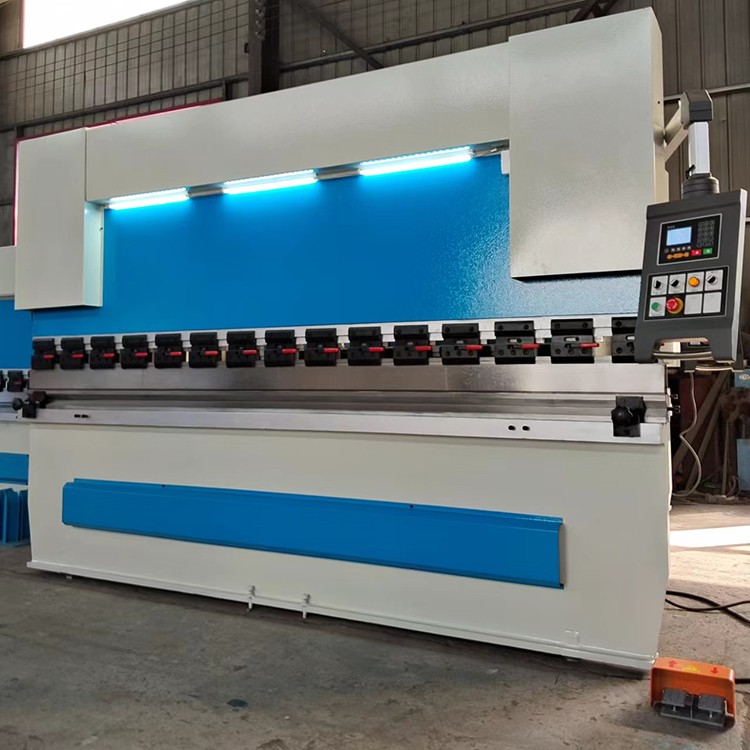
A hydraulic press brake is a machine tool that uses a hydraulic system to drive the movement of a ram (slide), allowing an upper die and a lower die to work in tandem to bend metal sheets. Its primary components typically include the frame, hydraulic system, ram, worktable, upper die, lower die, backgauge assembly, and control system. Depending on the model and configuration, a hydraulic press brake may feature conventional controls, a CNC (computer numerical control) system, or other automated setups. During operation, the user places the metal sheet on the worktable and positions it accurately using the backgauge. The hydraulic system then drives the ram downward, causing the upper die to apply pressure to the sheet. Supported by the lower die, the sheet undergoes plastic deformation, resulting in the desired bend angle.
Hydraulic press brakes can process carbon steel, stainless steel, aluminum, and other bendable metallic materials. However, the specific processing capacity depends on factors such as the machine's rated tonnage, working length, die design, material properties, and the bending method employed. When working with thicker sheets or high-strength materials, it is essential to ensure that the machine's tonnage and the load-bearing capacity of the dies meet the necessary requirements.
First, inspect the overall condition of the hydraulic press brake, ensuring that the frame, worktable, ram, and all associated connecting components are free from visible damage or irregularities. Check the hydraulic system for oil leaks, and verify that the condition and level of the hydraulic oil meet the requirements specified in the equipment manual. Additionally, ensure that the electrical system, control panel, limit switches, and safety guards are functioning correctly. Safety features—such as emergency stop devices, photoelectric protection systems, and interlocks—must be inspected according to the manufacturer’s prescribed procedures. If the equipment exhibits abnormal noise, significant leakage, control malfunctions, or failure of safety devices, it must be taken out of service and inspected by qualified maintenance personnel.
The parameters of the sheet metal directly influence the required bending force, the selection of dies, and the final bend angle. Operators must confirm the type, thickness, length, and width of the material to be processed, and inspect the surface for visible scratches, rust, cracks, or other defects that could compromise processing quality. Different materials possess varying yield strengths and springback characteristics. For instance, stainless steel typically requires a higher bending force than standard low-carbon steel, while certain aluminum alloys require careful consideration of their material temper, bend radius, and susceptibility to cracking. Therefore, determining whether the equipment can handle a specific job based solely on material thickness is insufficient; one must also evaluate the material’s properties against the bending capacity charts provided by the manufacturer.
Before beginning, carefully review the product drawings to confirm bend angles, dimensions, tolerances, bending directions, and the sequence of operations. If a workpiece requires multiple bends, plan the steps in advance to ensure that an earlier bend does not interfere with the positioning of the workpiece for subsequent bends. For parts with strict dimensional accuracy requirements, verify the dimensioning method used in the drawings, and calculate the flat-pattern (unfolded) dimensions by accounting for material thickness, internal bend radius, and the specific bending process. Because the material undergoes a degree of deformation during bending, there may be a difference between the flat-pattern dimensions and the final dimensions of the finished workpiece.
(1) Maintain consistency in material specifications. Variations in thickness, strength, and mechanical properties between different batches of material can affect both the required bending force and the degree of springback. For workpieces requiring high precision, material parameters should be verified prior to processing, and materials that meet the specific process requirements should be used whenever possible.
(2) Tooling must be selected appropriately. The die opening, the shape of the upper die (punch), and the condition of the tooling all influence the bending outcome. Severely worn or improperly sized tooling can lead to angular deviations, surface indentations, and dimensional instability. Therefore, the condition of the tooling should be checked regularly, and the optimal tooling combination should be selected based on the specific requirements of the workpiece.
(3) Material springback must be fully accounted for. Upon the release of the load, sheet metal may undergo a degree of elastic recovery, causing the final angle to differ from the angle held while under pressure. The extent of springback depends on factors such as material type, thickness, strength, bend radius, and the processing method. Consistency in the final angle can be improved through trial bends, measurements, and adjustments based on verified parameters.
(4) The positioning system must be kept accurate. The condition of the backgauge, the machine bed, and other positioning components directly affects the dimensions of the workpiece. For batch production, the positioning system should be inspected regularly, and dimensions should be verified through first-article inspection and periodic in-process sampling.
(5) Standardized processing procedures should be established. Documenting verified material parameters, tooling combinations, bending sequences, and processing programs helps minimize the need for repeated setup adjustments, thereby enhancing efficiency and stability in subsequent production runs.
Deviations in the bending angle may stem from material springback, variations in sheet thickness, improper selection of die openings, incorrect ram position settings, or equipment malfunctions. When an issue arises, first inspect the material and tooling, then verify the processing program and relevant parameters; avoid arbitrarily increasing the pressure without first analyzing the root cause.
Surface indentations can be caused by the condition or shape of the tooling, excessive contact pressure, the initial state of the material surface, or a lack of protective measures. For decorative sheets or workpieces with high surface quality requirements, select appropriate tooling based on the material and process conditions, and implement suitable protective measures that have been validated for the application.
Dimensional deviations may arise from inaccurate flat-pattern calculations, incorrect positioning against the backgauge, unstable placement of the sheet metal, or an improper bending sequence. For workpieces requiring multiple bends, it is essential to verify the production drawings, flat-pattern dimensions, and positioning methods, and to validate the process through first-article inspection.
Unusual noises, oil leaks, alarm signals, or unexpected movements may indicate equipment issues. Operators should halt operations in accordance with established procedures and notify maintenance personnel for inspection. Do not attempt to disassemble hydraulic systems, electrical components, or safety devices, and do not resume production until safety conditions have been verified.
- Hydraulic press brakes exert significant forming pressure, creating a high-risk crushing zone between the upper and lower dies. Consequently, safety protocols must be strictly observed throughout the entire process—from equipment preparation and die adjustment to sheet positioning and workpiece removal.
- Operators must receive training specific to the equipment model, ensuring familiarity with the control system, emergency stop mechanisms, safety guards, and procedures for handling abnormal situations. Operators are required to wear appropriate personal protective equipment (PPE) and select suitable work attire and protective measures based on site-specific risks.
- It is strictly prohibited to place hands, fingers, or any other body parts between the upper and lower dies. Never adjust the position of a sheet while the ram (slide) is in motion, and never remove or bypass photoelectric safety guards, interlocks, or other protective devices. During equipment maintenance, die changes, or troubleshooting, follow the manufacturer’s requirements for machine shutdown and energy isolation (lockout/tagout) to prevent accidental startup.
- Proper maintenance helps ensure the operational stability of a hydraulic press brake and minimizes unplanned downtime. Routine maintenance plans should be developed based on the equipment manual, the operating environment, and the actual frequency of use.
- For the hydraulic system, monitor the hydraulic oil level, condition, and replacement intervals as specified by the manufacturer. Regularly inspect pipelines, fittings, and seals for any signs of leakage. Always adhere to the technical documentation regarding the specific type of hydraulic oil, filtration requirements, and maintenance schedules; do not substitute these without authorization. - Regarding mechanical components, the ram (slide), worktable, backgauge system, die-clamping mechanisms, and all associated connection points should be inspected regularly to ensure they are in proper working order. Dies must be kept clean and checked for signs of wear, cracks, or other defects that could impair their performance.
- Electrical and control systems must also be inspected in accordance with established requirements. For CNC hydraulic press brakes, machining programs and critical parameters should be carefully managed to prevent unauthorized or unverified modifications from disrupting production. In the event of a machine malfunction, repairs must be carried out by trained personnel, following the manufacturer’s specifications.
- Maintaining comprehensive records—including daily inspections, maintenance activities, and troubleshooting logs—enables companies to monitor equipment status, schedule effective maintenance, and provide a valuable reference for ongoing production management.
For enterprises engaged in sheet metal processing and metal fabrication, a hydraulic press brake is more than just a machine for bending sheet metal; it is a vital tool for enhancing product quality, optimizing production workflows, and meeting diverse customer processing requirements. Selecting equipment that aligns with specific production tasks—and adhering to the manufacturer’s operational guidelines for use and maintenance—contributes to a more stable, safe, and efficient production environment.
 Address:Room 1202, Detaitang Building, No. 118 Huaguang Road, Zhangdian District, Zibo, Shandong
 WhatsApp:+8615653328535
 Wechat: +8615965331535
 E-mail:zs@sdsmachinery.com