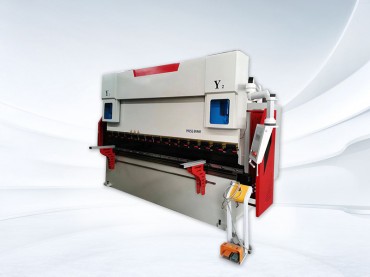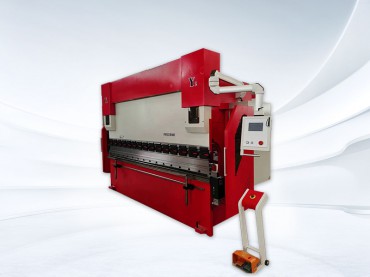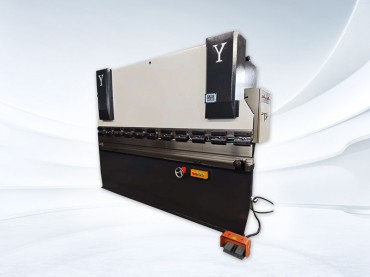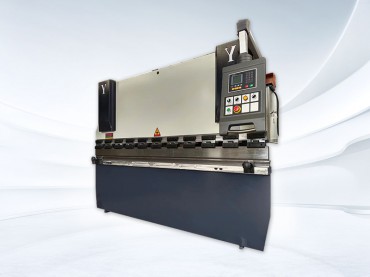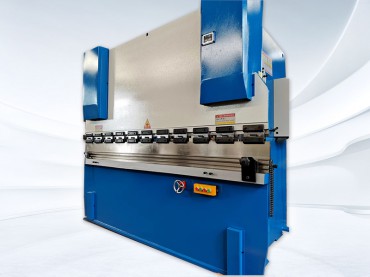
As an indispensable piece of equipment in metal processing, press brakes are widely used across industries such as construction, automotive, home appliances, aerospace, and heavy machinery. Their primary function is to bend metal sheets into desired shapes through pressure. Consequently, the skills and experience of press brake operators directly impact production efficiency and product quality. To qualify as a competent press brake operator, one must master multiple skills. Beyond basic mechanical operation capabilities, strong professional competencies in safe operation, process control, and equipment maintenance are essential.
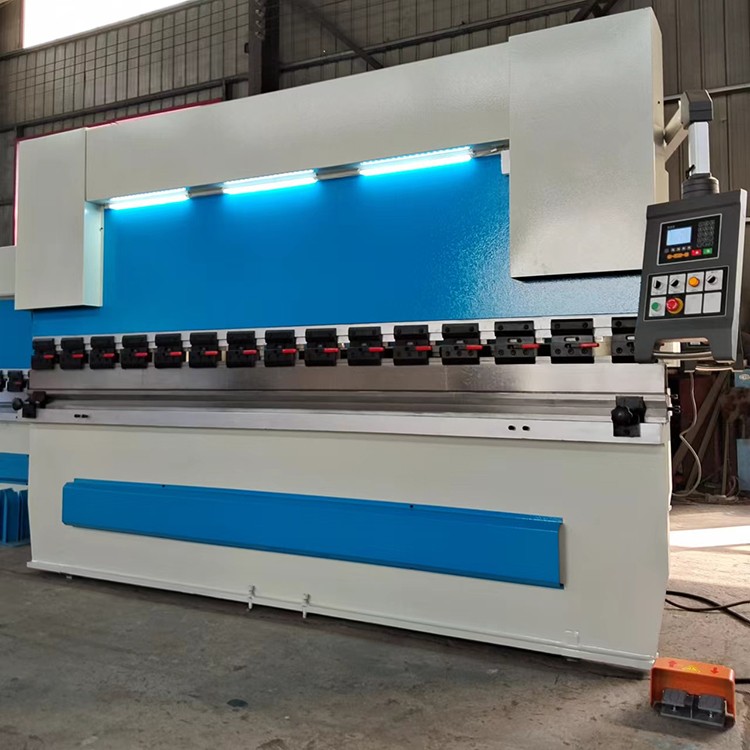
Initiating and stopping the press brake are fundamental skills every operator must master. Operators must safely start the equipment according to operating procedures while ensuring safety, and perform secure shutdowns after completing tasks. Operators must be thoroughly familiar with every function button, emergency stop switch, and common operational settings to ensure the equipment operates normally and safely.
Different processing tasks may require varying bending angles and process conditions. Operators must adjust relevant press brake parameters based on the workpiece's material, thickness, and specifications. Common adjustment parameters include:
- Bending Angle: Adjust the die angle to ensure the final bend meets design specifications.
- Pressure adjustment: Set appropriate pressure based on the workpiece's thickness and hardness to ensure effective bending of the metal sheet.
- Stroke control: Adjust the press brake's stroke length to guarantee the required precision for each bend.
- Die Replacement and Adjustment: Select appropriate upper and lower dies based on workpiece requirements, ensuring secure installation and proper clearance.
As a high-precision, high-load machine, bending presses involve inherent safety risks during operation. Operators must possess solid safety skills to protect themselves and surrounding personnel.
Operators must strictly adhere to the equipment manual and safety protocols when operating the press brake. This includes correctly using personal protective equipment (PPE) such as safety glasses, gloves, and earplugs; maintaining a clean work environment; and ensuring all safety guards are intact and functioning properly.
When equipment malfunctions or exhibits abnormalities, operators must immediately initiate emergency shutdown procedures and investigate the cause of the fault. Operators should also possess basic troubleshooting capabilities to identify common equipment issues and perform simple corrective actions, such as replacing dies, adjusting parameters, or cleaning the equipment.
During press brake operation, operators must ensure their own safety and that of surrounding personnel. For example, avoid placing fingers or body parts within the working area to prevent pinching, cutting, or other accidents. Operators must also constantly monitor equipment performance to prevent malfunctions and accidents caused by improper operation.
Daily maintenance and care of press brakes are critical for ensuring long-term, efficient operation. Operators must possess basic maintenance skills to conduct regular inspections and upkeep, thereby extending the equipment's service life.
Operators should routinely clean the equipment surface to remove metal shavings, dust, and debris that could disrupt normal operation. Additionally, moving parts require periodic lubrication to minimize wear and prevent failures.
Wear-prone components such as dies, hydraulic systems, and transmission systems require periodic inspection and replacement. Operators must understand the service life of these parts and replace them at appropriate intervals to prevent production stoppages due to component failure.
Operators should regularly inspect equipment performance to verify that parameters like pressure, stroke, and precision meet standard requirements. Any abnormalities detected must be promptly reported to maintenance personnel for resolution.
Press brake operators play a critical role in the production process. As manufacturing demands for precision, efficiency, and safety continue to evolve, operators must continuously enhance their skills, maintain professionalism, and adhere to standardized operating procedures to ensure smooth, efficient, and stable production for the enterprise.
 Address:Room 1202, Detaitang Building, No. 118 Huaguang Road, Zhangdian District, Zibo, Shandong
 WhatsApp:+8615653328535
 Wechat: +8615965331535
  E-mail:zs@sdsmachinery.com