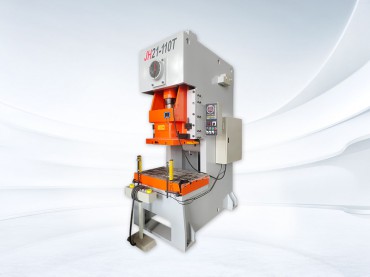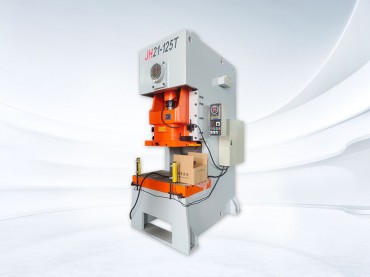
As a highly efficient metalworking machine, the pneumatic punch press plays a vital role in industrial manufacturing. Compared to traditional mechanical and hydraulic punch presses, pneumatic models offer significant advantages due to their unique operating principles and methods. These benefits make pneumatic punch presses the preferred equipment in numerous metalworking, mold manufacturing, and other precision machining industries.
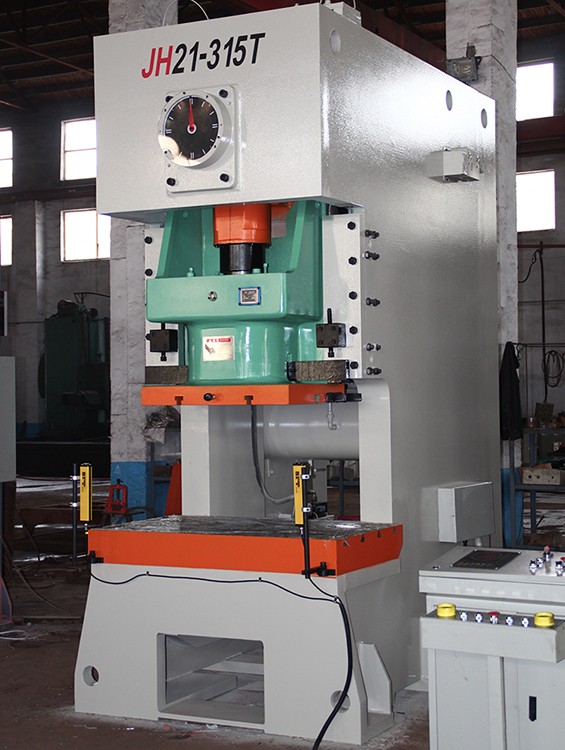
pneumatic punch presses utilize an air pressure system to drive piston movement, thereby propelling the punch to apply pressure to the workpiece and perform operations such as cutting, punching, and bending. Their drive system employs compressed air as the power source, offering high flexibility and rapid response during operation. Compared to traditional mechanical and hydraulic presses, pneumatic punch presses feature simpler designs, more compact structures, and lower operational costs and maintenance complexity.
Pneumatic punch presses utilize air pressure for drive, achieving high operational efficiency. Compressed air delivers instantaneous power, enabling rapid completion of numerous punching, shearing, and other operations within short timeframes making them ideal for batch production. Compared to traditional mechanical presses, pneumatic punch presses deliver more stable impact force and velocity, which is particularly crucial for workpieces requiring high precision. Thus, pneumatic punch presses enhance production efficiency while ensuring processing accuracy.
Pneumatic punch presses utilize compressed air as their driving force, regulating impact force by controlling air pressure. Unlike hydraulic presses, they operate without hydraulic oil, reducing energy consumption. Furthermore, the air source is typically supplied by air compressors, and compressed air usage poses no environmental pollution risks, aligning with current industrial demands for energy conservation and environmental protection.
Pneumatic punch presses feature relatively simple structures, making them easier to operate than hydraulic or mechanical presses. Their straightforward pneumatic systems allow users to learn and operate them quickly. Furthermore, pneumatic punch presses have lower failure rates and eliminate the need for frequent oil changes or complex hydraulic system maintenance, reducing daily upkeep costs. For small and medium-sized enterprises, pneumatic punch presses offer an ideal solution due to their low cost and high efficiency.
Pneumatic punch presses operate at significantly lower noise levels than hydraulic or mechanical presses due to their air-driven mechanism. Noise pollution is a critical concern in many production settings, particularly for operators working extended shifts. Low-noise equipment substantially reduces fatigue and hearing damage. This quiet operation makes pneumatic punch presses a preferred choice for numerous factories and workshops.
Pneumatic punch presses are indispensable equipment in the metal processing industry. They perform various operations including metal stamping, shearing, punching, and bending. Particularly in manufacturing metal components and molds, pneumatic punch presses deliver efficient and precise results, suitable for processing diverse metals such as steel, aluminum, and copper.
In automotive production, pneumatic punch presses are employed to stamp body components, interior trim parts, and engine components. Given the stringent requirements for automotive parts, these presses deliver high precision and stability, meeting the dual demands of quality and production efficiency in the automotive industry.
Within the home appliance sector, pneumatic punch presses primarily stamp metal casings, panels, brackets, and other components. Mass production of home appliances demands efficient, precise processing tools. pneumatic punch presses, with their high efficiency and stability, have become essential production equipment for home appliance manufacturers.
In the electronics industry, pneumatic punch presses are used to manufacture various precision metal parts, such as battery casings, electronic component brackets, and enclosures. Given the extremely high dimensional accuracy requirements for electronic components, pneumatic punch presses deliver sufficient processing precision to ensure product quality.
Pneumatic punch presses have gained widespread adoption across multiple sectors including metal processing, automotive manufacturing, electronics, and home appliances due to their numerous advantages: high efficiency, energy savings, environmental friendliness, ease of operation, and low noise levels. With ongoing technological advancements and growing market demand, the performance of pneumatic punch presses will continue to improve, expanding their application scope. For small and medium-sized enterprises, pneumatic punch presses represent an ideal, cost-effective solution that is simple to operate, serving as a crucial tool for boosting production efficiency and reducing costs.
 Address:Room 1202, Detaitang Building, No. 118 Huaguang Road, Zhangdian District, Zibo, Shandong
 WhatsApp:+8615653328535
 Wechat: +8615965331535
  E-mail:zs@sdsmachinery.com