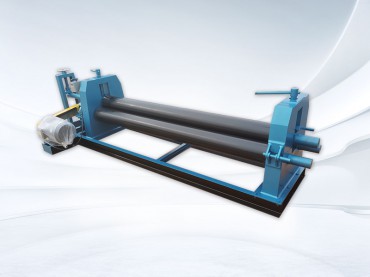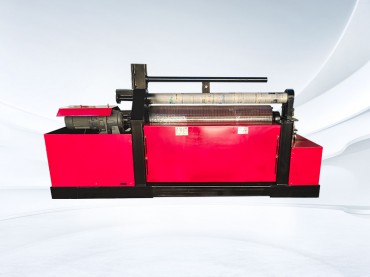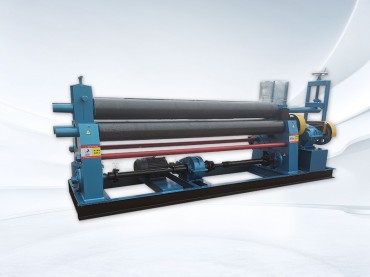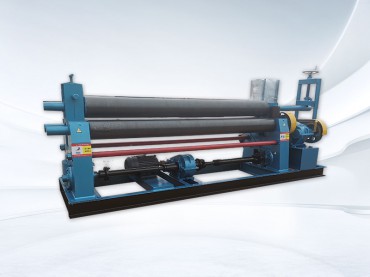
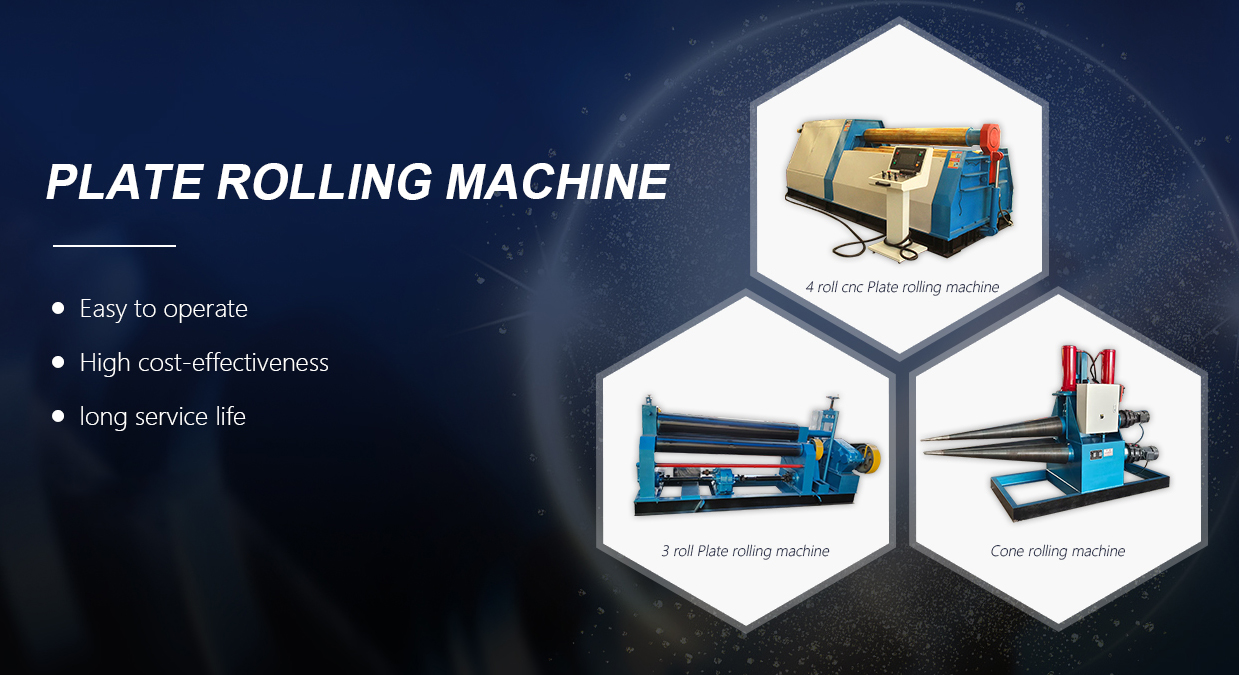
As a vital piece of equipment in the metalworking industry, plate rolling machines are widely used in steel, shipbuilding, machinery manufacturing, construction, and other sectors. They primarily process metal plates into circular, arc-shaped, or other curved forms. Through specific operating methods, these machines induce plastic deformation in metal plates to achieve the desired curvature. To ensure efficient and safe operation, operators must master correct procedures and safety measures.
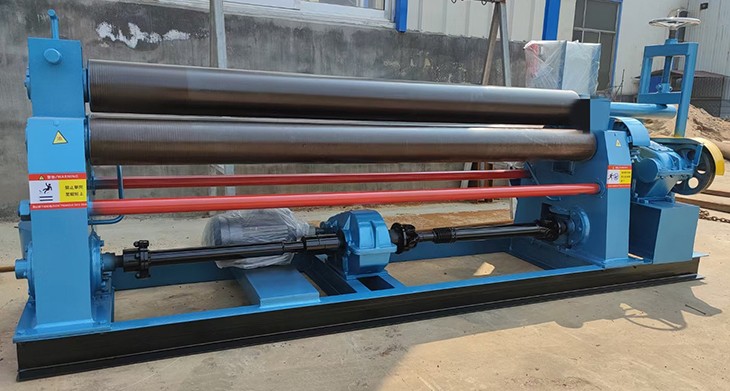
The basic structure of a plate rolling machine includes an upper roll, a lower roll, side support rolls, and a drive system. The upper roll applies downward pressure to form the sheet's curvature; the lower roll serves as a support roll to ensure sheet stability; while the side rolls guide the sheet into the rolling position. The rolling machine operates by applying pressure through three rollers to progressively bend the plate. Different types of plate rolling machines (e.g., three-roll, four-roll) feature distinct structures and operating methods, though the fundamental operational steps remain largely consistent.
Thorough preparations must be completed before operating the plate rolling machine to ensure smooth execution and prevent potential hazards. The following preparatory tasks must be completed:
- Verify all components function normally, including the electrical control system, hydraulic system, and transmission components.
- Check all lubrication systems for adequate fluid levels to ensure proper lubrication during operation.
- Inspect power connections and electrical systems for integrity, ensuring no exposed wires or grounding issues exist.
- Verify safety devices like limit switches and emergency stop mechanisms are in proper working order.
- Identify the type and specifications of the sheet metal to be processed. Select appropriate rolling machine parameters based on sheet thickness, width, and required curvature.
- Ensure sheet surfaces are flat and free of defects to prevent poor rolling results during processing.
- Operators must be trained and skilled, understanding the machine's principles and safety protocols.
(1) Adjust Upper and Lower Rollers: Position the upper and lower rollers according to the plate's thickness and width. Ensure smooth plate entry into the machine. Adjust the side support rolls to ensure both ends of the plate remain parallel, preventing uneven bending during the rolling process.
(2) Load the plate: Use a crane or other equipment to place the plate steadily onto the plate rolling machine's workbench. Ensure the plate is flat, avoiding any twists or deformations. Align both ends of the plate to prevent skewing during subsequent rolling.
(3) Initiate Rolling: Start the rolling machine and gradually increase the pressure applied by the upper roll to the sheet. Begin with a small bend, progressively increasing the curvature until the desired arc shape is achieved.
(4) Adjust the rolling speed: Modify the rolling speed based on the plate thickness, material type, and required curvature. Thicker plates typically require slower rolling speeds to prevent equipment overload or plate fracture.
(5) Complete the rolling: When the plate reaches the desired curvature, stop the operation and remove the rolled plate from the equipment. Repeat the above steps if further rolling is needed.
(6) Clean the equipment: After each operation, remove residual materials—especially lubricants and dust—to maintain proper machine function.
Operators must wear necessary protective gear, including hard hats, safety goggles, work gloves, and protective footwear, to prevent accidental injury.
Keep the work area around the equipment tidy to avoid obstructions and ensure clear pathways to prevent accidents.
Operators must be familiar with the location and operation of the emergency stop device to quickly halt the machine and address emergencies.
Conduct routine inspections and maintenance to ensure all components function properly and prevent equipment failures during operation.
As a critical piece of metalworking equipment, the precision and safety of plate rolling machine operation directly impact final product quality and production efficiency. Adhering to proper operating procedures, thorough preparation, and strict safety protocols ensures the machine's efficient and stable performance.
If you are interested in plate rolling machines, please contact us. We will recommend suitable equipment and provide a quotation.
 Address:Room 1202, Detaitang Building, No. 118 Huaguang Road, Zhangdian District, Zibo, Shandong
 WhatsApp:+8615653328535
 Wechat: +8615965331535
  E-mail:zs@sdsmachinery.com