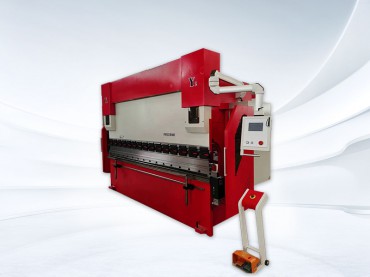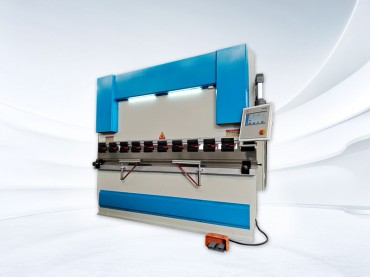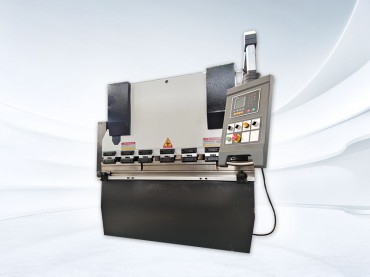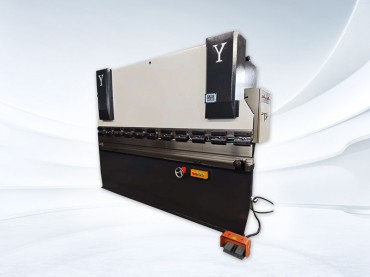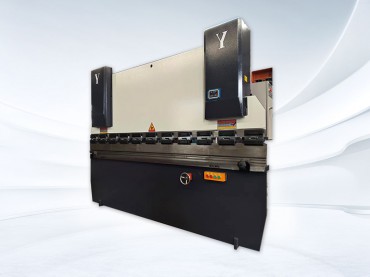
The press brake is an indispensable piece of equipment in sheet metal processing, widely used across industries such as machinery manufacturing, automotive, construction, aerospace, and home appliances. To ensure long-term stable operation, maintain high precision, and extend the service life of press brakes, daily maintenance and regular servicing are crucial. This article details maintenance methods and precautions for press brakes across five key areas: cleaning and lubrication, electrical inspections, hydraulic system maintenance, operational standards, and daily management.
During prolonged operation, contaminants such as dust, metal shavings, and oil residue tend to accumulate on components like the ram, guide rails, and worktable. This not only compromises the machine's motion precision but may also accelerate mechanical wear. Therefore, operators should adhere to the principle of “daily cleaning and inspection”:
(1) Daily surface dust removal: Wipe equipment surfaces with a clean, soft cloth. Avoid using water-based or acidic/alkaline cleaners.
(2) Focused cleaning of guide rails and die areas: Maintain smooth, metal-chip-free guide rail surfaces to prevent scratches.
(3) Periodic electrical cabinet dust removal: Use low-pressure dry air to blow out dust, preventing electrical component short circuits due to accumulation.
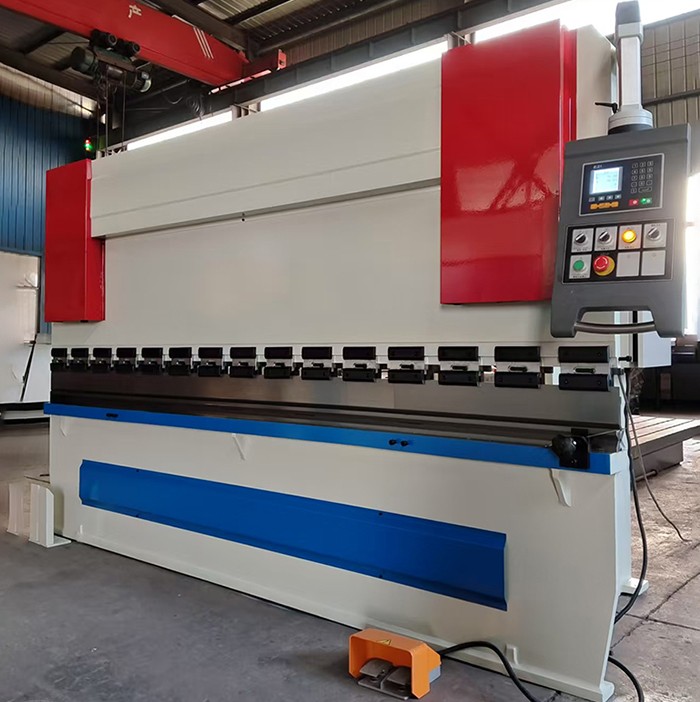
Lubrication is the most fundamental and critical aspect of mechanical maintenance. During high-load, high-frequency operation, moving components (such as slides, connecting rods, and bearings) in press brakes generate friction. Insufficient lubrication directly leads to excessive temperature rise, part wear, and even jamming.
- Slide guides: Add lubricant every 200 operating hours;
- Drive shafts and pins: Replenish oil weekly;
- Hydraulic cylinder rods: Inspect oil film condition monthly.
Select appropriate viscosity mechanical oil (e.g., L-HM68 hydraulic oil) based on ambient temperature and usage frequency.
If equipped with an automatic oil supply system, regularly inspect whether the oil pump operates normally and whether the oil passages remain unobstructed.
Proper lubrication effectively reduces friction resistance, ensuring smooth and precise operation of the press brake.
The hydraulic system is the “heart” of the press brake, directly impacting bending angle, speed, and repeatability accuracy. Maintaining its efficient and stable performance requires attention to oil quality, seals, and temperature.
- Check oil level monthly; oil surface should remain at 2/3 of the sight gauge.
- Replace hydraulic oil every 2000 operating hours or every six months.
- Filter oil before use to prevent contaminants entering the system.
Regularly inspect cylinders and hose connections for oil seepage or leaks. Replace seals immediately upon detection.
Maintain normal operating temperatures between 30–60°C. Excessive heat accelerates oil degradation and causes pressure instability; insufficient heat impairs oil fluidity.
Scientific hydraulic maintenance ensures consistent working pressure in press brakes, enhancing forming precision and extending equipment lifespan.
Beyond hardware maintenance, proper operating practices and standardized management are equally critical.
Verify power supply, voltage, and oil level are normal;
Conduct no-load test runs to confirm smooth movement of the ram and backgauge.
Strictly prohibit overloading and avoid impact operations;
Do not arbitrarily remove safety guards.
Disconnect power and oil pump switches;
Lower the ram to its lowest position to release system pressure;
Wipe residual oil and cover with a dust-proof cloth.
Operators must undergo professional training to understand equipment performance, emergency procedures, and maintenance protocols.
Standardized operating procedures and assigned responsibilities effectively prevent human-caused damage, keeping equipment in optimal working condition.
To facilitate long-term monitoring of equipment health, establish a maintenance log for the press brake, documenting each cleaning, oil change, part replacement, and repair. Conduct comprehensive inspections every six months, focusing on:
Accuracy of die positioning; Smoothness of rear stop screw and motor transmission; Hydraulic oil discoloration or water contamination.
Scientific maintenance records enable enterprises to proactively prevent potential failures, avoiding production losses due to downtime.
Press brake maintenance not only impacts equipment performance but directly influences production efficiency and product quality. A scientifically sound maintenance system ensures press brakes maintain high precision and stability, continuously creating value for enterprises.
 Address:Room 1202, Detaitang Building, No. 118 Huaguang Road, Zhangdian District, Zibo, Shandong
 WhatsApp:+8615653328535
 Wechat: +8615965331535
  E-mail:zs@sdsmachinery.com