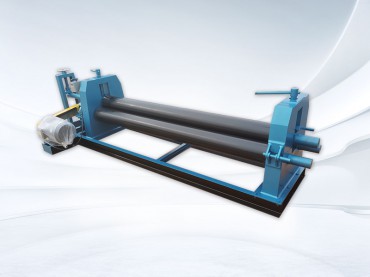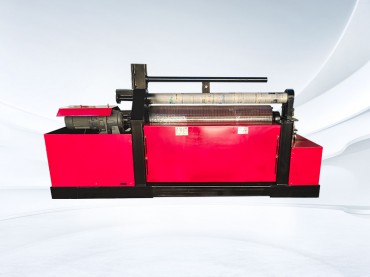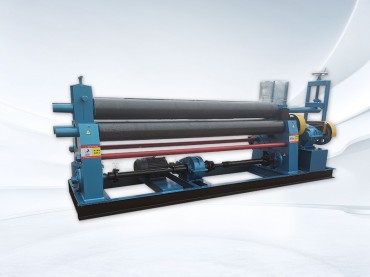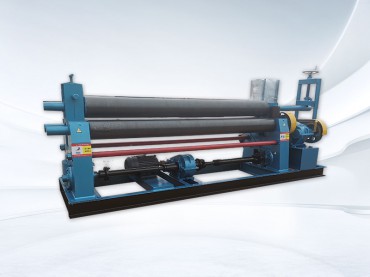
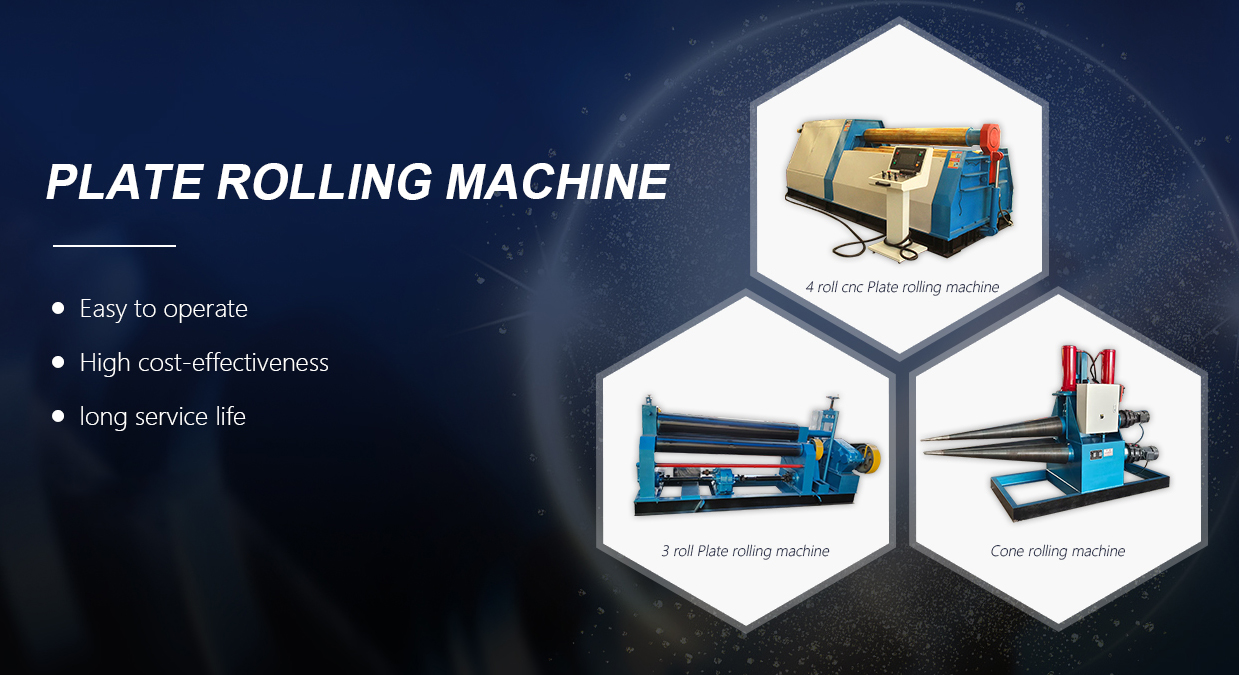
As an indispensable piece of equipment in the metalworking industry, plate rolling machines are widely used in sectors such as petrochemicals, boiler manufacturing, shipbuilding, aerospace, and architectural steel structures. Their primary function is to roll metal plates into cylindrical, curved, or conical structural components. However, during prolonged operation, significant accumulations of oil residue, iron filings, dust, and coolant residues build up on the surface and internal components of the plate rolling machine. Failure to clean these promptly not only compromises equipment precision and service life but may also create safety hazards. Therefore, scientifically and systematically cleaning the rolling machine is a critical step in maintaining equipment performance and production efficiency.
Operating under high pressure, friction, and metal spatter, failure to clean the rolling machine periodically allows contaminants to infiltrate bearings, gears, or hydraulic systems. This accelerates component wear, shortening the equipment's lifespan.
Dust, metal shavings, or oil residue adhering to the work roll surface directly impacts sheet rolling quality, leading to issues like indentations, slippage, and dimensional deviations.
Regular cleaning maintains smooth roll surfaces, enhancing rolling precision.
Accumulated oil residue can cause slippage, operational errors, or even fires. Maintaining equipment cleanliness reduces safety hazards and protects operator well-being.
Thorough cleaning and maintenance effectively decrease failure rates, lowering repair expenses and minimizing downtime losses.
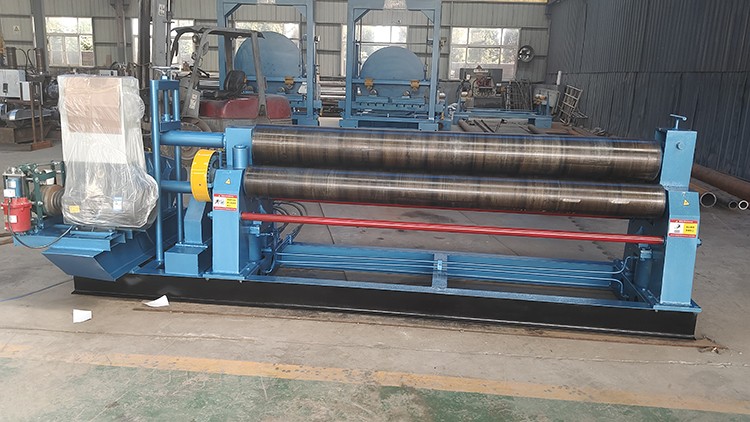
Follow these steps before cleaning:
(1) Power Off and Stop Operation to Ensure Safety. Before cleaning, shut off the power supply and ensure all moving parts have completely stopped.
(2) Release Hydraulic Pressure. For hydraulic roll forming machines, first turn off the oil pump and release system pressure to prevent hydraulic oil from spraying due to accidental operation.
(3) Prepare cleaning tools and materials. These include clean rags, soft-bristle brushes, vacuum cleaners, rust-preventive oil, grease, and specialized cleaning agents (neutral detergents are preferable).
(4) Wear protective gear. This includes protective gloves, safety goggles, and oil-resistant boots to prevent injury from cleaning agents or metal shavings.
- Use a soft-bristle brush to remove metal shavings and debris from the roller surfaces.
- For heavily oil-stained rollers, wipe with a neutral detergent followed by a dry cloth.
- Inspect roller surfaces for scratches or indentations; sand and repair if present.
- Finally, apply rust-preventive oil evenly to the roll surfaces to prevent oxidation caused by atmospheric moisture.
- Periodically inspect the oil tank for sediment or contaminants. Replace hydraulic fluid immediately if it appears cloudy.
- Clean the hydraulic oil filter to maintain system cleanliness.
- Inspect pipe joints for leaks and wipe away any oil stains.
- Use a vacuum cleaner to remove iron filings and dust from the gearbox surface.
- Inspect the chain and gear meshing areas. Clean off any dirt and reapply lubricating grease.
- Periodically inspect belt tension and wear; replace as necessary.
- Blow out dust using dry compressed air; never use water or liquid cleaners.
- Verify wire connections are secure; check electrical components for burn damage or loose fittings.
- Wipe oil residue from machine body and guide rail surfaces with a cloth.
- Apply lubricating oil to guide rails to maintain smooth sliding and prevent rust.
- Do not use strong acid or alkali cleaners to avoid corroding metal surfaces or damaging paint coatings.
- Do not scrape stains with hard tools like wire brushes or scrapers to prevent scratching roller surfaces.
- Ensure thorough drying after cleaning to prevent rust caused by residual moisture.
- Perform cleaning in a well-ventilated area to avoid inhaling chemical cleaner fumes.
- Conduct a comprehensive inspection after cleaning to confirm all components are properly positioned and secured. Run the equipment under no-load conditions to verify normal operation.
Cleaning the plate rolling machine should not be limited to emergency measures during unexpected incidents but should be incorporated into routine maintenance schedules. Specific recommendations are as follows:
(1) After each shift: Operators should wipe down the work rollers, frame surfaces, and control panel to remove dust and oil stains.
(2) Weekly: Clean the exterior of the hydraulic tank and electrical control cabinet; inspect the tightness of pipes and bolts.
(3) Monthly: Replace lubricating grease and inspect oil seals and dust rings for aging.
(4) Quarterly: Conduct comprehensive equipment inspections and rust prevention treatments; replace wear-prone components.
Scientific maintenance not only keeps equipment clean and like new but also effectively enhances operational efficiency and safety.
As high-precision metal processing equipment, the performance stability of plate rolling machines directly impacts product quality and production efficiency. Cleaning and maintenance form the foundation for ensuring efficient operation and represent a critical aspect of enterprise production management. Through regular, standardized cleaning and upkeep, not only can equipment lifespan be extended and repair costs reduced, but equipment failures and safety incidents can also be effectively prevented.
 Address:Room 1202, Detaitang Building, No. 118 Huaguang Road, Zhangdian District, Zibo, Shandong
 WhatsApp:+8615653328535
 Wechat: +8615965331535
  E-mail:zs@sdsmachinery.com