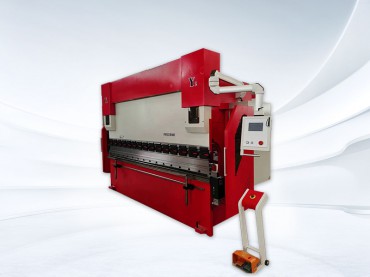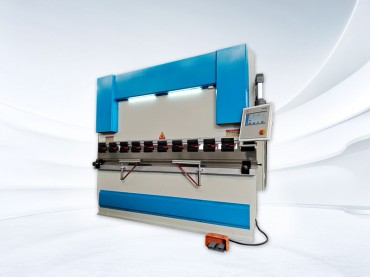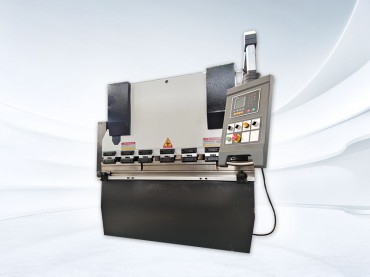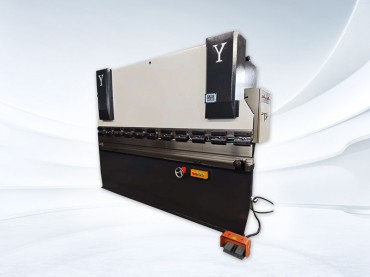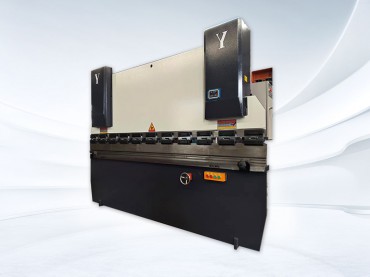
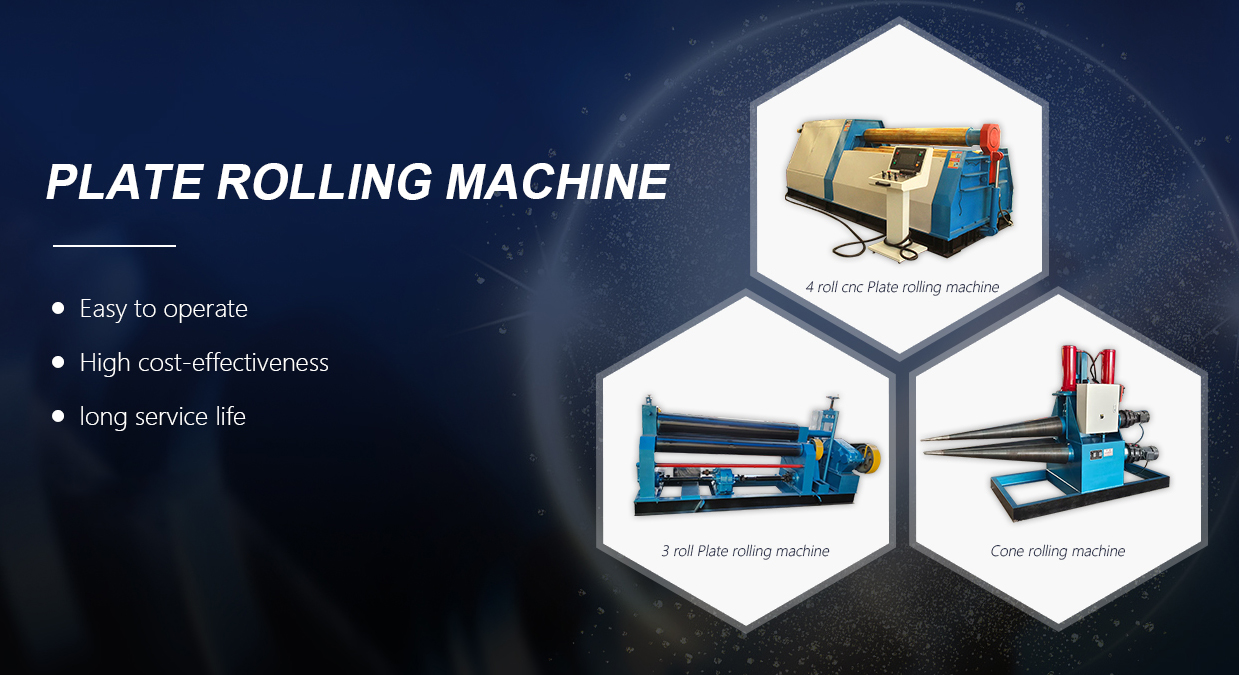
A bending machine is a specialized machine tool designed to bend and form sheet metal. In modern metal fabrication, bending machines serve as indispensable foundational equipment, widely utilized across industries such as construction, automotive, aerospace, electronics, and home appliances. Capable of processing sheet metal of varying thicknesses and materials, bending machines enable the creation of complex bending profiles to meet diverse manufacturing requirements. This article will provide a detailed overview of the working principle, types, application fields, and significance of bending machines in metal processing.
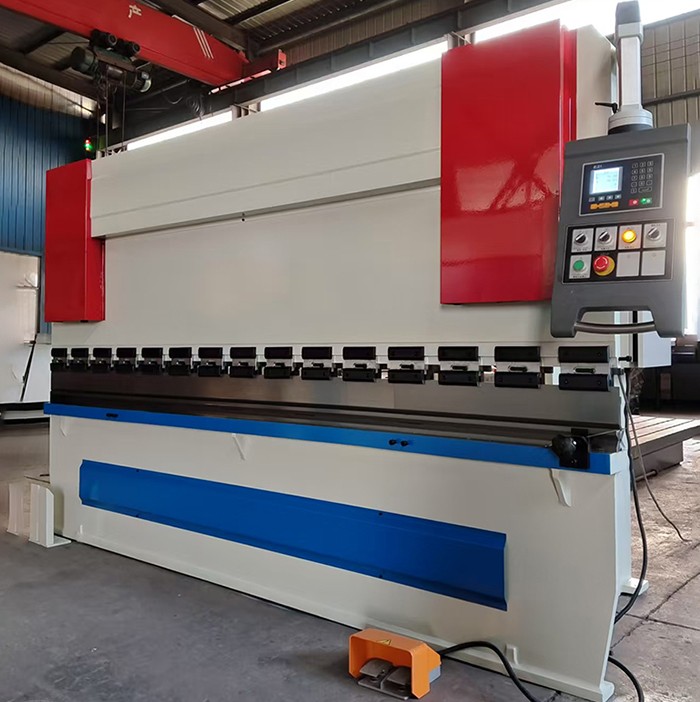
The fundamental principle of bending machines involves clamping the metal sheet between upper and lower dies (upper and lower molds) and applying pressure to bend the sheet to a predetermined angle. Typically, the operation of a bending machine includes the following steps:
Bending machines are equipped with dies of various shapes and sizes. The appropriate upper and lower dies are selected based on the thickness, width, and required bend angle of the metal sheet to be processed. The shape of the dies is critical to the quality of the finished product, making proper die selection particularly important.
Before bending, the operator places the metal sheet on the machine's worktable and secures it with clamping devices to prevent shifting during the bending process.
The bending machine drives the upper die downward via hydraulic or mechanical force, causing the sheet to bend against the support of the lower die. The applied pressure determines the sheet's bend angle and precision; generally, higher pressure yields greater bending angles and accuracy.
Once bending is complete, release the clamping device and remove the finished product, concluding the entire processing cycle.
As fundamental equipment in metal processing, bending machines serve diverse industries. Below are typical applications across multiple sectors:
(1) Construction Industry:In construction, bending machines commonly process structural components like steel frames, support beams, and roof panels. They precisely bend sheet metal per design drawings, ensuring structural stability and aesthetic integrity.
(2) Automotive Manufacturing: The automotive production process requires extensive bending of metal sheets for components like body panels, doors, and chassis. bending machines produce precise metal parts according to automotive design specifications, guaranteeing structural integrity and appearance.
(3) Aerospace: In aerospace engineering, bending machines fabricate complex metal components for aircraft fuselages, wings, and other structures. Given the aerospace industry's stringent demands for precision and quality, CNC bending machines are extensively utilized in this sector.
(4) Home Appliance Industry: Home appliances like refrigerators, washing machines, and air conditioners require bending machines to form metal sheets during production, ensuring robust and aesthetically pleasing casings. bending machines play a vital role in appliance manufacturing, particularly for products demanding high appearance and precision standards.
(5) Electronics Industry: In electronics manufacturing, bending machines process enclosures and other metal structural components for electronic devices. Given the high precision and surface quality demands for these parts, CNC bending machines have become essential equipment in this sector.
Bending machines, particularly CNC models, achieve high-precision processing by precisely controlling bending angles and pressures through CNC systems. Additionally, their high automation levels enhance production efficiency while minimizing human operational errors.
Bending machines process various metal sheet materials, including steel, stainless steel, aluminum alloys, and copper alloys. Different machine types accommodate diverse sheet metal processing needs, demonstrating robust adaptability.
With increasing environmental standards, modern bending machines increasingly incorporate eco-friendly and energy-saving technologies such as hydraulic drive systems and low-noise designs. These innovations reduce energy consumption while minimizing environmental pollution during production.
Driven by the rise of smart manufacturing, bending machines are evolving toward greater intelligence and automation. Future models will increasingly rely on technologies like artificial intelligence and the Internet of Things (IoT) to enable functions such as automatic adjustment and remote monitoring, further enhancing production efficiency and machining precision.
As a crucial piece of equipment in metal processing, bending machines hold broad application prospects. From construction, automotive, aerospace to electronics and home appliances, bending machines play a vital role across multiple industries. With continuous technological advancements, the precision, efficiency, and intelligence of bending machines will continue to improve, driving the metalworking industry toward greater efficiency, precision, and automation. Whether traditional hydraulic bending machines or modern CNC bending machines, both will continue to play a significant role in the future of manufacturing.
 Address:Room 1202, Detaitang Building, No. 118 Huaguang Road, Zhangdian District, Zibo, Shandong
 WhatsApp:+8615653328535
 Wechat: +8615965331535
  E-mail:zs@sdsmachinery.com