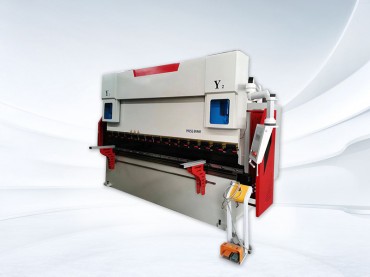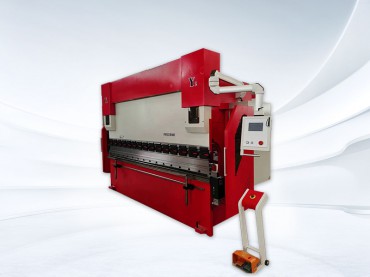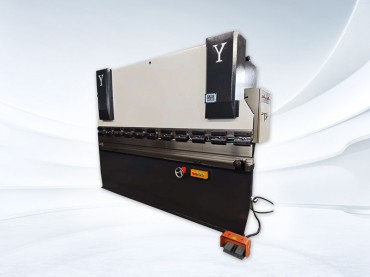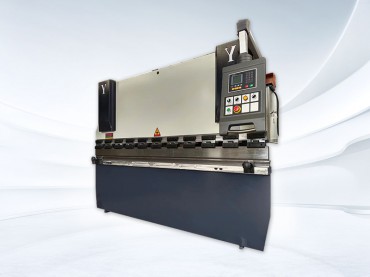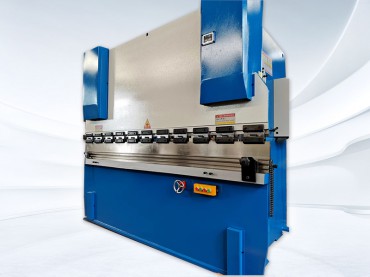
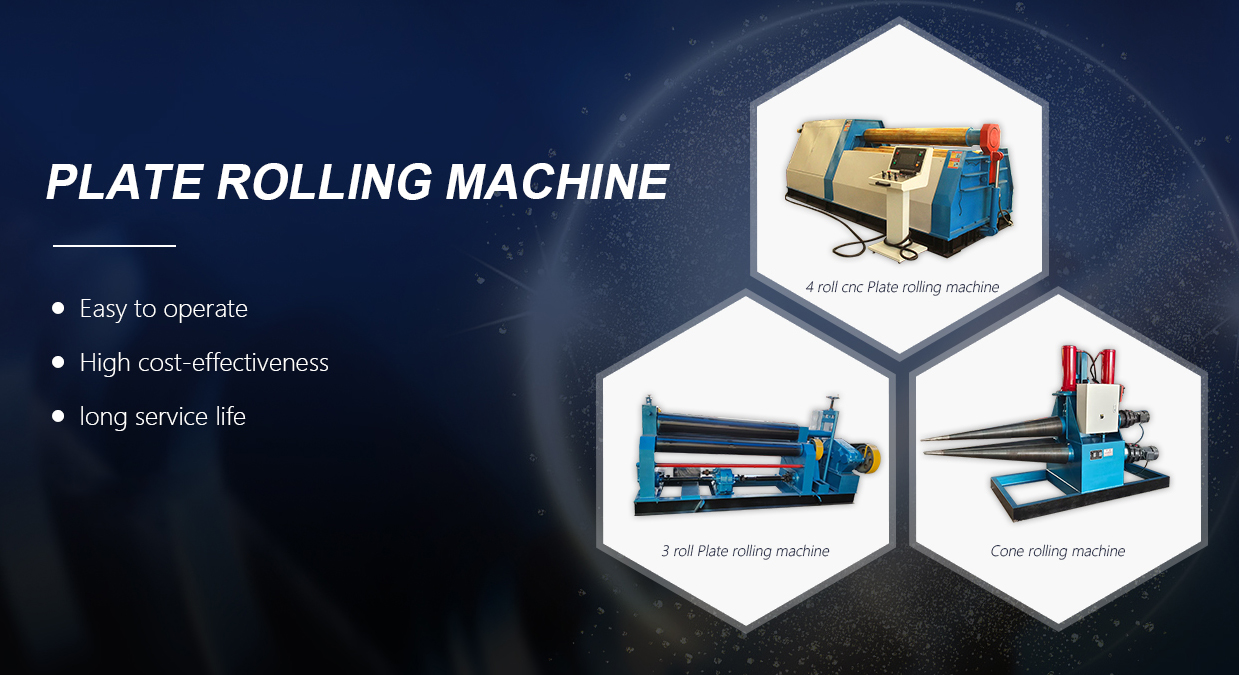
In the sheet metal processing industry, press brakes are virtually indispensable core equipment. Whether for enclosures, construction machinery housings, architectural components, or the production of new energy, home appliance, and automotive parts, the bending process directly determines a product's dimensional accuracy, surface finish, and overall delivery efficiency. This article systematically explains how to scientifically and rationally select a suitable press brake, helping users avoid pitfalls in their procurement decisions.
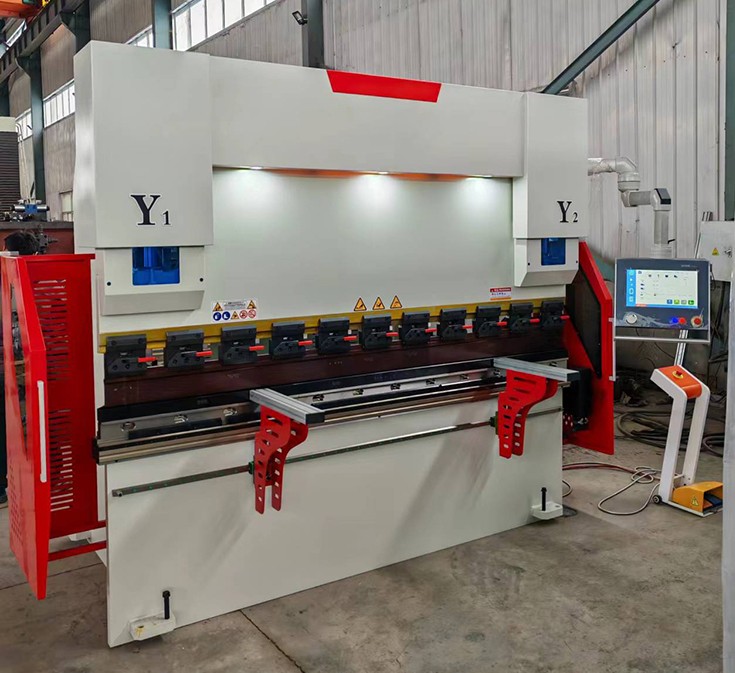
A press brake is a machine that uses dies and pressure to bend metal sheets into straight angles. Through the coordinated action of upper and lower dies, the sheet undergoes plastic deformation at predetermined positions under controlled pressure, achieving the desired angles and shapes. In terms of processing materials, press brakes are primarily suited for carbon steel, stainless steel, aluminum sheets, galvanized sheets, and other metal plates. Regarding processing methods, they can perform V-bends, U-bends, multi-pass bends, box bends, and complex irregular bends. Selecting a press brake fundamentally involves finding the optimal balance between processing capacity, precision requirements, efficiency demands, and investment costs.
- Mechanical Press Brake: Driven by flywheels, clutches, and crank mechanisms, mechanical press brakes feature relatively simple structures and lower costs, making them suitable for batch processing of uniform products. However, their limited precision and adjustability have led to gradual replacement by hydraulic and CNC models.
- Hydraulic Press Brakes: Hydraulic press brakes utilize hydraulic systems to drive ram movement, making them the most widely used bending equipment today. They offer stable pressure and a wide adjustable range, making them suitable for medium-to-thick plate processing. They can meet general processing needs and, when paired with CNC systems, achieve high precision.
- Servo-Hydraulic Press Brake: Incorporating servo control technology into the hydraulic system enables precise regulation of ram position, speed, and synchronization. It offers significant energy savings, high repeatability, and is suitable for high-end manufacturing and complex product processing.
- Manual Press Brake:
Bending is primarily achieved through mechanical stops and manual adjustments. Operation relies on experience, resulting in limited efficiency and consistency. Suitable for small batches and simple products.
- CNC press brakes: Equipped with CNC control systems, they automatically regulate ram stroke, backgauge position, and bending angle, substantially enhancing processing efficiency and product consistency. These represent the current mainstream choice.
- Fully Automatic Bending Centers: Suitable for highly automated production lines, enabling unmanned operation. However, they involve higher investment costs and are better suited for large-scale standardized production.
Different materials demand markedly different bending forces. For instance, stainless steel requires greater tonnage than ordinary carbon steel, while aluminum sheets, though more pliable, demand higher surface protection standards. The maximum sheet thickness directly determines the required press brake tonnage.
The press brake's working length must be greater than or equal to the product's maximum bending dimension. Frequently processing oversized workpieces while using a short machine severely impacts production efficiency or may render processing impossible.
Requirements for multi-step bending, reverse bending, box bending, and precision angle control all influence demands on the CNC system, tooling configuration, and backgauge accuracy.
Single-piece custom orders and small-batch, multi-variety production demand greater flexibility and programming convenience. Conversely, high-volume production prioritizes stability and cycle speed.
Mainstream press brake CNC systems include domestic and imported brands. System stability, user interface intuitiveness, and programming efficiency directly impact operational experience.
Multi-axis back gauges enable automatic positioning of complex parts, ensuring high-precision bending. For intricate products, multi-axis back gauges are essential.
Support for standard die interfaces impacts long-term die procurement and replacement costs. Greater versatility ensures greater flexibility in extended use.
Safety features like light curtains, laser protection, and emergency stop systems not only ensure operational safety but are increasingly becoming fundamental requirements in international markets.
Typically processes thick, large-sized plates, prioritizing tonnage and structural rigidity. Hydraulic press brakes are the mainstream choice.
Features diverse products with high precision requirements. CNC press brakes and servo electro-hydraulic press brakes offer greater advantages.
Thinner sheet metal with stringent aesthetic requirements demands superior bending accuracy, speed, and surface protection capabilities.
Complex processes require high consistency and automation levels, typically necessitating high-end CNC or automated bending solutions.
Scientific selection not only boosts production efficiency but also reduces energy consumption and rework rates, delivering sustained competitive advantages. Only by thoroughly understanding your specific needs and comprehensively evaluating equipment performance, configuration options, and service systems can you select a press brake that truly fits your requirements.
 Address:Room 1202, Detaitang Building, No. 118 Huaguang Road, Zhangdian District, Zibo, Shandong
 WhatsApp:+8615653328535
 Wechat: +8615965331535
  E-mail:zs@sdsmachinery.com