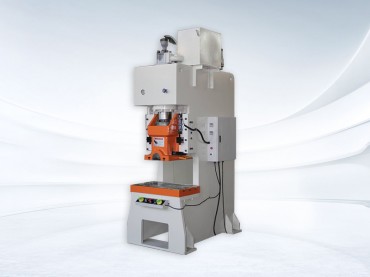
Hydraulic punch presses are a crucial piece of equipment widely used in modern manufacturing. With their high efficiency and precision stamping capabilities, they are extensively employed in metal processing, automotive manufacturing, electronics industries, and other fields. As a high-performance production tool, hydraulic punch presses require regular maintenance and upkeep to ensure long-term efficient operation and stable performance. Proper maintenance not only enhances production efficiency and extends equipment lifespan but also reduces repair costs and the incidence of unexpected failures.
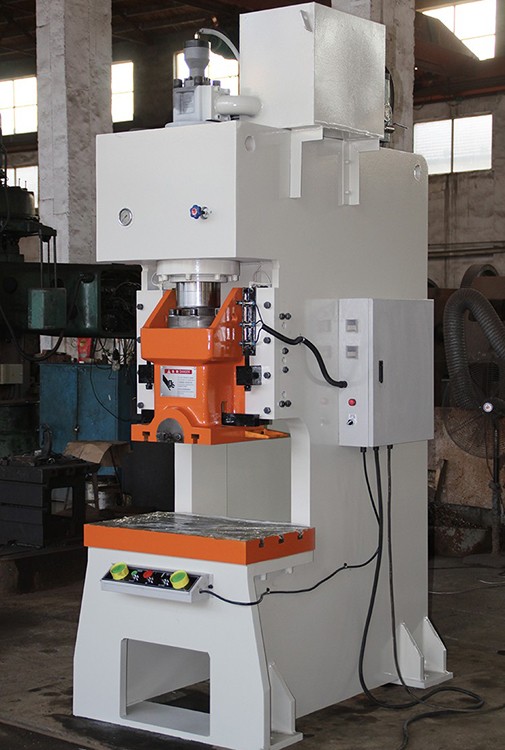
hydraulic punch presses are devices that utilize hydraulic systems to provide power for stamping operations. They primarily consist of a hydraulic system, punch, frame, and control system. The hydraulic system drives the punch through vertical stamping motions by controlling the flow and pressure of hydraulic fluid, thereby performing stamping, forming, or cutting operations on workpieces. hydraulic punch presses typically offer high adjustability, allowing pressure, stroke, and speed to be modified according to different process requirements.
Hydraulic oil serves as the core medium of the hydraulic system, performing functions of lubrication, cooling, power transmission, and sealing. Its quality directly impacts system performance. Therefore, routine oil quality checks are a critical maintenance step.
- Check Oil Level: Ensure the hydraulic oil level remains within the specified range. An excessively low oil level can prevent the hydraulic system from functioning properly and may even damage the hydraulic pump. An excessively high oil level can cause the oil temperature to rise excessively, affecting the working efficiency of the hydraulic system.
- Check oil quality: Hydraulic oil undergoes oxidation, contamination, or impurity accumulation after prolonged use. Regularly inspect the oil's transparency and cleanliness. If discoloration or impurities are detected, replace the oil promptly.
Filters and lines within the hydraulic system require periodic cleaning and replacement to maintain proper operation. Filters isolate contaminants and impurities from the hydraulic fluid, preventing them from entering the hydraulic pump, valves, and other precision components, which could cause equipment failure.
- Inspect Filters: Check filters in the hydraulic system for blockages. Generally, filters should be cleaned every six months, with filter elements replaced as necessary.
- Clean Piping: Impurities or moisture may accumulate in piping. Regularly clean lines and inspect for leaks to ensure unobstructed hydraulic oil flow.
The hydraulic pump and motor are core components of hydraulic punch presses, with their operational status directly impacting system performance. Verifying their condition is a critical maintenance task.
- Check pump operation: After prolonged operation, the hydraulic pump may exhibit wear or leakage, affecting system pressure. Regularly inspect the pump's working pressure and flow rate to ensure they remain within normal ranges.
- Inspect the motor: Verify the motor's operational condition, ensuring no overheating, abnormal noise, or vibration occurs. If anomalies are detected, immediately shut down the machine for inspection to prevent motor damage.
Seals and oil seals in hydraulic punch presses prevent hydraulic fluid leakage and maintain system pressure. Wear, aging, or damage to seals can cause fluid leaks, impairing equipment efficiency. Therefore, regularly checking the integrity of seals and oil seals is a key focus of hydraulic punch press maintenance.
- Inspect oil seals: Verify the integrity of oil seals within the hydraulic system to prevent fluid leakage.
- Replace Seals: Replace seals periodically based on usage and equipment requirements. Generally, inspect seal integrity annually and replace immediately if damage is found.
The control system of a hydraulic punch press typically includes the electrical system, sensors, and control panel. Its function is to coordinate the operation of all hydraulic system components. Verify the operational status of the control system to ensure the stability and accuracy of all electrical components.
- Inspect electrical connections: Periodically check for loose electrical connections, aged or damaged wires, and ensure the electrical system functions correctly.
- Inspect sensors and control valves: The operational status of sensors and control valves directly impacts the precision and stability of the hydraulic system. Regularly verify the responsiveness and accuracy of sensors and control valves.
During prolonged operation, certain components of hydraulic punch presses may experience aging, wear, or performance degradation. Conducting regular inspections of the hydraulic system, electrical components, and mechanical parts allows for the timely identification and resolution of potential issues, effectively preventing malfunctions.
As technology advances, components like control systems and hydraulic systems in hydraulic punch presses undergo continuous updates. Timely equipment upgrades and modifications not only enhance performance but also extend service life. Especially when production scales expand or requirements change, such upgrades meet demands for more efficient and precise manufacturing.
As a highly efficient and precise production tool, the stable operation of hydraulic punch presses relies on regular maintenance and upkeep. By routinely inspecting hydraulic fluid, hydraulic systems, seals, electrical components, and mechanical parts to promptly identify and resolve issues, the efficient and stable operation of hydraulic punch presses can be ensured. Proper maintenance not only extends the service life of hydraulic punch presses but also boosts production efficiency and reduces repair costs.
 Address:Room 1202, Detaitang Building, No. 118 Huaguang Road, Zhangdian District, Zibo, Shandong
 WhatsApp:+8615653328535
 Wechat: +8615965331535
  E-mail:zs@sdsmachinery.com