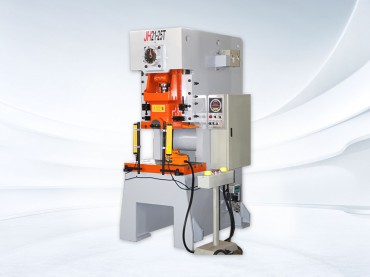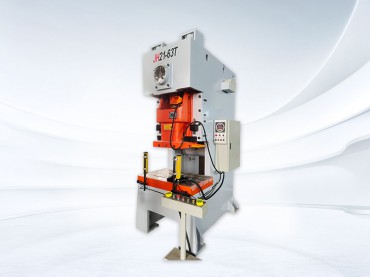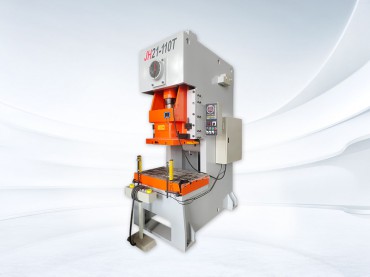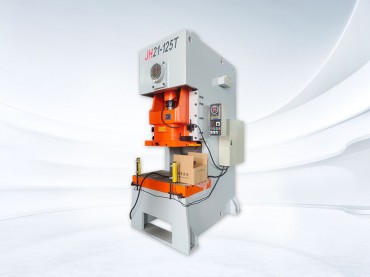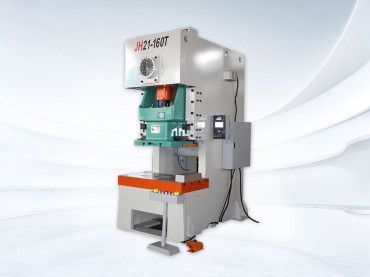
Hydraulic punching machines, as highly efficient equipment widely used in modern metal processing industries, have become essential machinery for stamping, drawing, forming, and other processes due to their outstanding performance and flexible processing capabilities. Compared to traditional mechanical punching machines, hydraulic punching machines offer significant advantages in structural design, control methods, processing precision, and safety performance. This article will analyze the primary benefits of hydraulic punching machines from multiple perspectives.
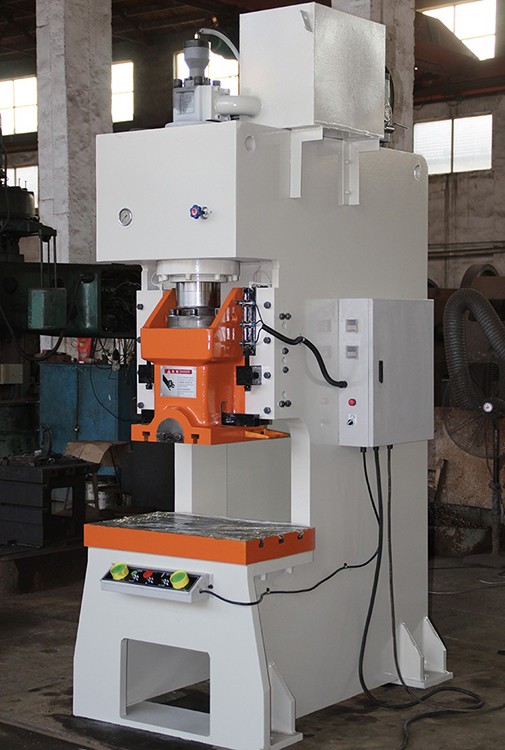
One of the most notable advantages of hydraulic punching machines lies in their stable and adjustable pressure output. Utilizing a hydraulic system to transmit power, pressure levels can be precisely controlled through simple adjustments to hydraulic valves. Whether performing blanking, drawing, bending, or embossing processes, hydraulic punching machines can flexibly adapt to varying material thicknesses, strengths, and shape requirements, ensuring consistent processing quality.
This characteristic enables hydraulic punching machines to handle diverse complex processes with ease, making them particularly suitable for precision forming of metals like stainless steel, aluminum, and copper plates.
The hydraulic system delivers smooth force transmission, effectively eliminating vibrations and deviations caused by inertial impacts common in mechanical punching machines. During processing, hydraulic punching machines enable precise control over stamping speed—achieving slow contact, rapid forming, and gradual retraction—ensuring high surface finish, dimensional consistency, and low scrap rates. Additionally, the main cylinder experiences uniform force distribution, preventing load imbalance or overload, thereby extending the service life of both dies and equipment.
For high-precision, high-stability component manufacturing—such as automotive parts, appliance housings, and aerospace components—hydraulic punching machines offer distinct advantages.
Hydraulic punching machines incorporate multiple safety features in their design, including dual-hand button activation, photoelectric safety guards, emergency stop systems, and hydraulic overload protection valves. In case of abnormal pressure or electrical faults, the system automatically shuts down or relieves pressure to prevent equipment damage and operator injury.
Additionally, the hydraulic system's self-locking function maintains the punch at its current position during power outages or system depressurization, preventing sudden drops and significantly enhancing operational safety and reliability.
Compared to the high-speed impact noise of mechanical punching machines, hydraulic punching machines operate with significantly reduced noise levels. The cushioning characteristics of hydraulic transmission result in softer sounds and minimal vibration throughout the processing cycle, contributing to a more comfortable working environment.
This not only enhances the operator's experience but also aligns with modern industrial demands for environmentally friendly and low-noise production.
Hydraulic punching machines feature optimized structural components that minimize wear and extend maintenance intervals. Routine upkeep primarily involves standard operations like hydraulic oil checks, seal replacements, and filter cleaning, making maintenance relatively straightforward. Additionally, the hydraulic system effectively reduces impact loads during operation, lowering overall fatigue wear and extending the equipment's lifespan.
With proper maintenance, hydraulic punching machines maintain stable performance over extended periods, reducing equipment replacement costs for businesses.
Hydraulic punching machines boast an exceptionally broad application range, encompassing various metal sheet processing techniques including blanking, bending, embossing, stretching, flanging, and straightening.
They find extensive use across automotive manufacturing, home appliance industries, aerospace, shipbuilding, hardware production, and other sectors.
Some hydraulic punching machines can integrate with CNC systems or servo drives to enable intelligent functions like automatic positioning, depth control, and pressure monitoring. This allows them to perform not only traditional stamping operations but also mold debugging, material testing, and high-precision process development.
Modern hydraulic punching machines feature energy-saving variable-displacement pump systems or servo hydraulic systems that automatically adjust flow and pressure based on load, significantly reducing energy consumption. Compared to traditional mechanical punching machines, their average energy consumption is reduced by 20%–40%.
Additionally, hydraulic punching machines deliver superior processing accuracy and product consistency, minimizing rework and scrap losses to further enhance corporate profitability.
Overall, hydraulic punching machines have become indispensable key equipment in modern metal processing due to their significant advantages: adjustable pressure, high precision, safety and reliability, low noise, easy maintenance, and strong adaptability. With the advancement of industrial automation and smart manufacturing, hydraulic punching machines are continuously upgrading toward high efficiency, energy savings, intelligent control, environmental protection, and safety, offering broader possibilities and competitive advantages for the manufacturing industry.
 Address:Room 1202, Detaitang Building, No. 118 Huaguang Road, Zhangdian District, Zibo, Shandong
 WhatsApp:+8615653328535
 Wechat: +8615965331535
  E-mail:zs@sdsmachinery.com