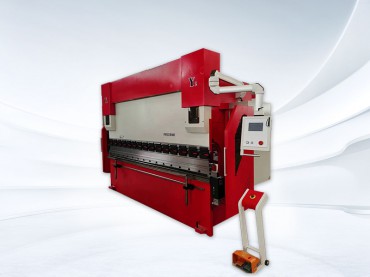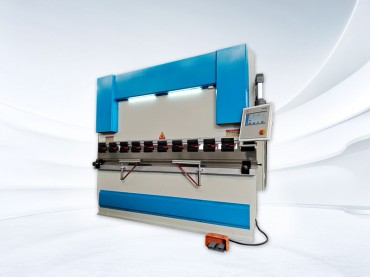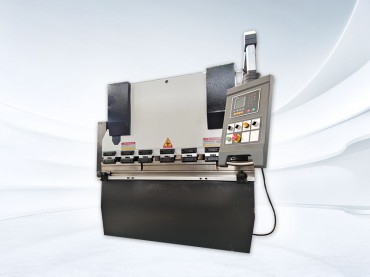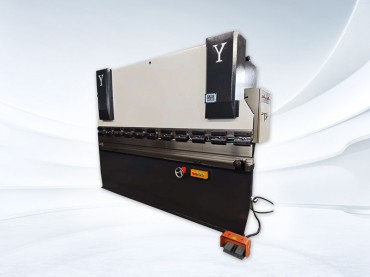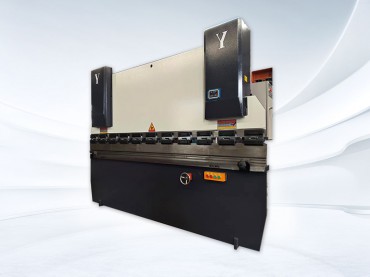
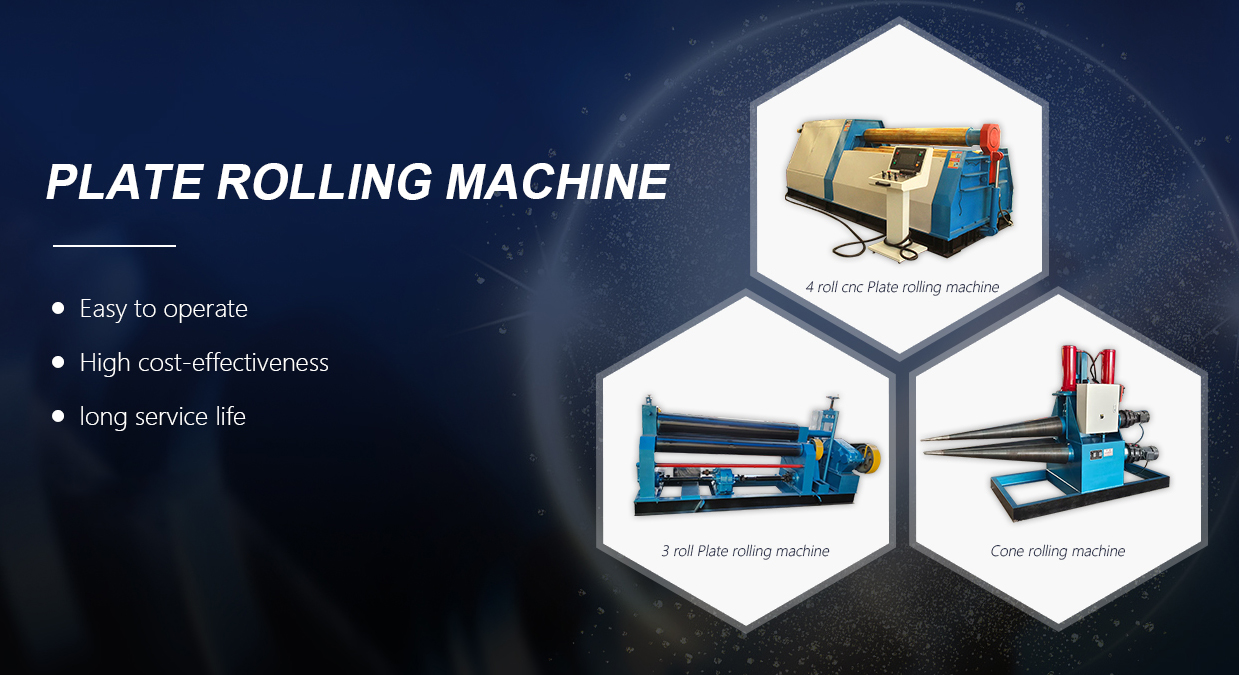
In modern metal processing and manufacturing, the bending machine is an extremely important piece of equipment. By applying pressure to metal sheets, it causes the material to undergo plastic deformation under the action of dies, thereby achieving the desired angles and shapes. bending machines are widely used in industries such as machinery manufacturing, construction engineering, home appliance production, transportation, and aerospace, making them one of the indispensable key devices in metal forming processes.
The primary function of a bending machine is to bend and form metal sheets. Its operating principle involves applying mechanical or hydraulic pressure between the upper and lower dies to bend the sheet to a predetermined angle. By adjusting the bending angle, radius, and die shape, various sheet metal components can be produced, such as enclosures, housings, brackets, and door panels.
Based on their drive mechanisms, bending machines are primarily categorized into three types:
(1) Mechanical bending machine: Utilizes a mechanical transmission system to apply pressure, suitable for batch bending of medium-to-thin sheets.
(2) Hydraulic bending machine: Driven by a hydraulic system, delivering high and stable pressure, ideal for bending thick sheets or large workpieces.
(3) CNC bending machine: Computer-programmed control of bending angle, position, and pressure ensures high precision and efficiency, making it the preferred equipment for modern manufacturing.
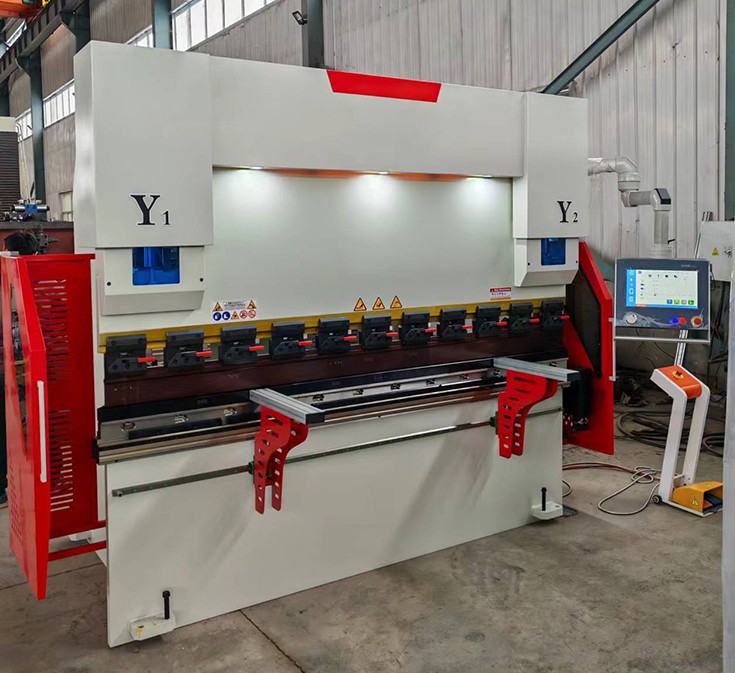
The core function of a bending machine is to bend metal sheets into various angles and shapes. By combining different dies, it can achieve multiple forming processes such as right-angle bending, arc bending, V-bending, and U-bending. For instance, in manufacturing electrical cabinets, metal enclosures, and storage cabinets, bending machines precisely bend flat sheets into required structures, enhancing product consistency and aesthetics.
Sheet metal fabrication represents one of the most extensive application areas for bending machines. Whether producing metal cladding panels for building facades or enclosures for home appliances and industrial cabinets, bending machines are essential for forming sheet metal components. The bent parts not only achieve structural integrity but also deliver excellent surface flatness and dimensional accuracy, providing a reliable foundation for subsequent welding and assembly operations.
In construction, bending machines are commonly used to fabricate components such as color-coated steel roofs, curtain wall panels, rain gutters, door/window frames, and guardrails. Particularly in color-coated steel processing, bending machines can precisely form corrugated or wavy panels, enhancing a building's waterproofing and decorative appeal. CNC bending technology also enables customized fabrication for complex architectural facades.
Metal components in home appliances like refrigerator, washing machine, and air conditioner housings, as well as structural parts in furniture, are all formed through bending processes. Bending machines create structural elements such as rounded corners, frames, and brackets, enhancing both the aesthetic quality and overall strength and durability of products.
Numerous components in transportation equipment like automobiles, motorcycles, subways, and ships are formed using bending machines. Typical examples include car doors, underbody shields, and dashboard brackets. The high precision and repeatable positioning capability of bending machines ensure consistent part shapes, thereby improving overall vehicle assembly accuracy.
In power equipment, components like electrical control cabinets, transformer housings, and support frames all rely on bending machine processing. Within telecommunications equipment, cabinets, switch housings, and base station structural parts are also formed using bending machines. High-precision CNC bending technology guarantees the sealing integrity and durability of these devices.
Aerospace manufacturing demands extreme precision and reliability. bending machines achieve high-accuracy bending of sheet metal components like aircraft wing frames and satellite support structures. Hydraulic and CNC bending machines are widely adopted in high-end manufacturing due to their precise control and uniform deformation.
With the advancement of smart manufacturing, the automation and digitalization of bending machines continue to improve. Modern CNC bending machines can perform multi-axis coordination, automatic angle compensation, and real-time pressure monitoring, significantly enhancing production efficiency and bending precision. Additionally, bending machines play a positive role in green manufacturing. By optimizing die design and automated bending paths, they reduce raw material waste, lower energy consumption, and improve processing sustainability.
As essential equipment in metal processing, bending machines serve virtually all metal product manufacturing sectors. From simple sheet metal folding to complex aerospace structural components, bending machines deliver efficient results. With technological advancements, modern bending machines are evolving toward higher precision, intelligence, and energy efficiency, providing robust support for high-quality manufacturing.
If you are interested in bending machines, please contact us. We will recommend suitable machines and provide quotations.
 Address:Room 1202, Detaitang Building, No. 118 Huaguang Road, Zhangdian District, Zibo, Shandong
 WhatsApp:+8615653328535
 Wechat: +8615965331535
  E-mail:zs@sdsmachinery.com