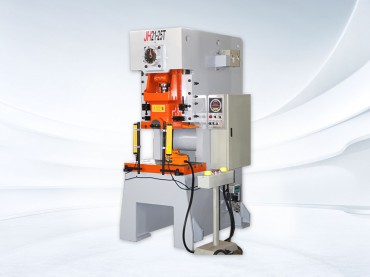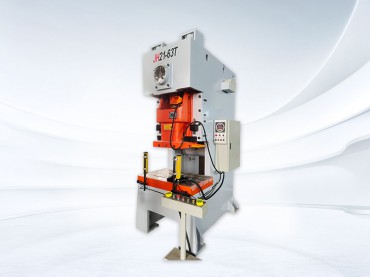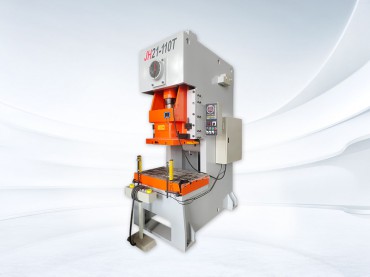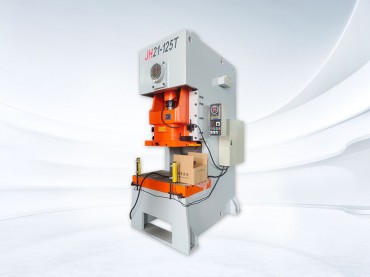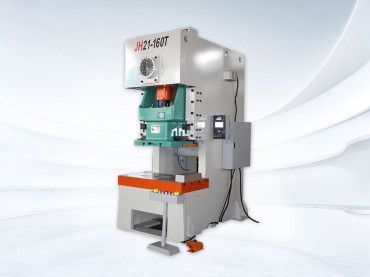
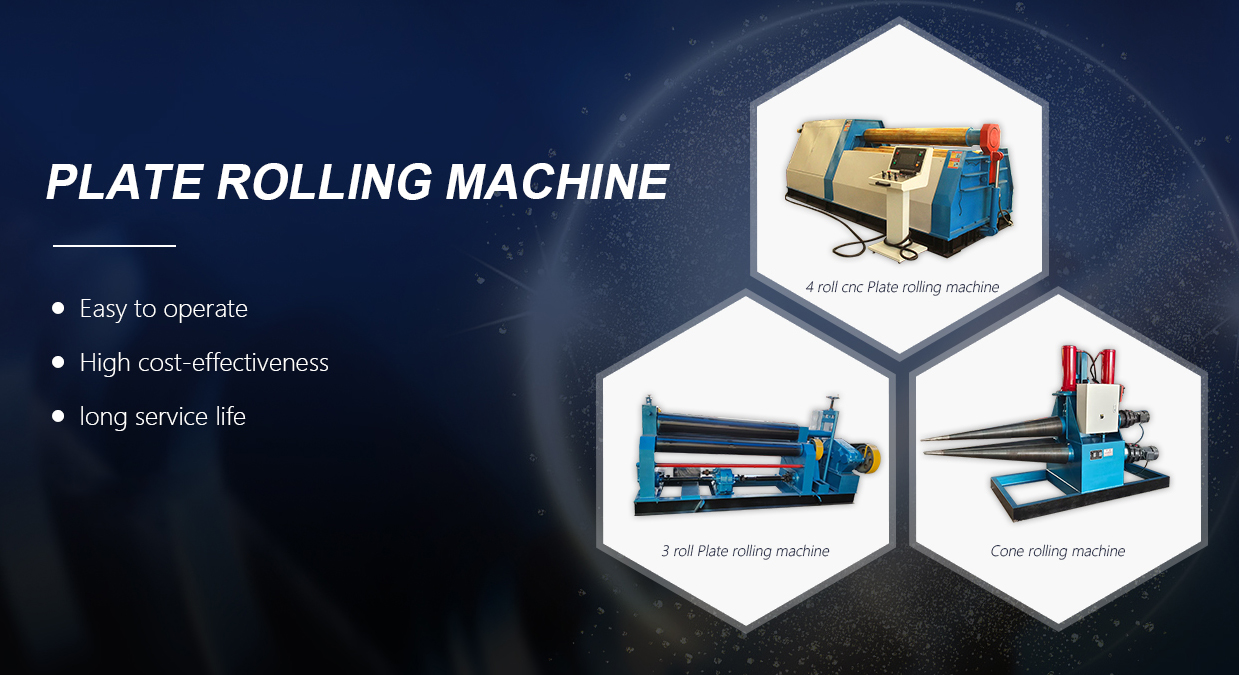
A punching machine is a machine that processes metals or other materials through impact, cutting, bending, forming, and other operations using external force. Due to its high efficiency, precision, and reliability, the punching machine is widely used in various industries such as automotive manufacturing, home appliances, electronic equipment, and metal processing. Based on different drive methods and working principles, punching machine can be primarily classified into four types: mechanical punching machine, pneumatic punching machine, hydraulic punching machine, and CNC punching machine. Each type possesses distinct characteristics, advantages, and application domains. Selecting the appropriate press enhances production efficiency and product quality. This article provides a detailed overview of these four common press types.
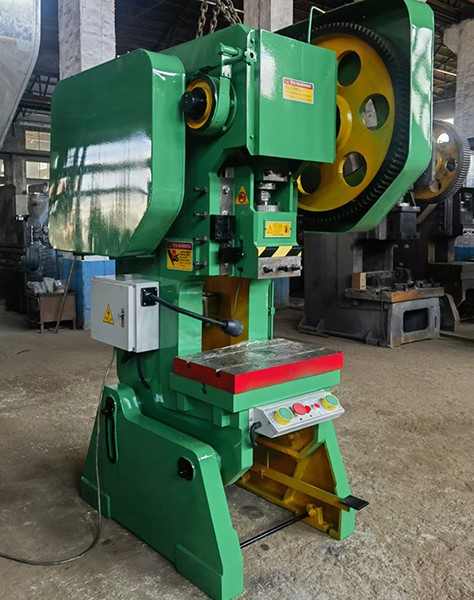
Mechanical punching machine represent the most traditional and prevalent type. They typically employ a flywheel and crank mechanism to transmit power to the punch, executing stamping operations via a slide. Mechanical punching machine are characterized by high operating speeds, making them suitable for mass production.
- High operating speed: Mechanical punching machine achieve high-frequency stamping through flywheel and crank mechanisms, ideal for high-speed production.
- High rigidity: The transmission system offers high rigidity, capable of withstanding significant impact loads, making it suitable for processing thick plates or harder materials.
- Simple structure: Mechanical punching machine feature straightforward designs, resulting in lower maintenance and servicing costs.
Mechanical punching machine are widely used in automotive manufacturing, home appliances, electronics, metalworking, and other industries. They are particularly suitable for mass-production processes such as punching, cutting, and forming. For applications requiring moderate precision, mechanical punching machine offer an efficient and economical solution.
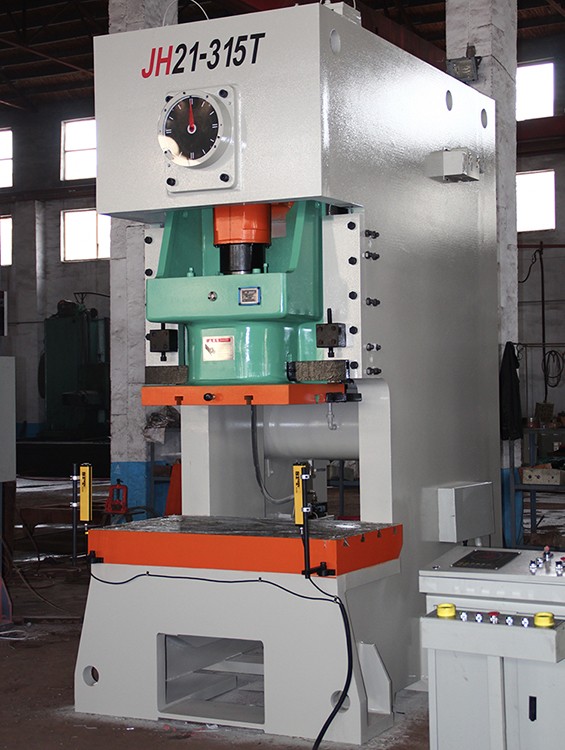
Pneumatic punching machine utilize compressed air to drive cylinders or pistons for punching operations. Their working principle involves compressed air moving the piston through the cylinder, generating impact force for punching tasks. With a simple structure, they are suitable for small-scale punching operations.
- Energy-efficient and eco-friendly: Pneumatic punching machine consume less energy than hydraulic systems, and gas leakage is minimized, enabling better control over energy expenditure.
- Easy Maintenance: The straightforward pneumatic system is simple to maintain and replace, with a long service life.
- Stable Punching: Pneumatic punching machine operate stably with low noise, making them suitable for precision processes and lightweight material processing.
Pneumatic punching machine are commonly used in electronics manufacturing, home appliance production, and light metal sheet processing. They are suitable for small-batch production, die trimming, punching, shearing, and other applications, performing particularly well with lighter materials or in low-precision scenarios.
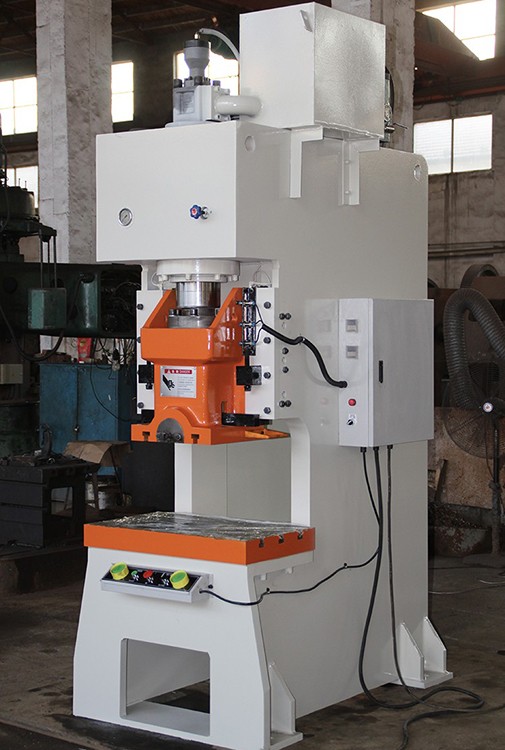
Hydraulic punching machine utilize hydraulic systems to drive the ram for stamping operations. The hydraulic system transmits power through fluid pressure, offering high power output and strong adaptability. Hydraulic punching machine can deliver substantial punching force, making them suitable for processing complex shapes.
- Adjustable pressure: Stamping force can be customized to suit materials of varying thickness and hardness.
- Smooth operation: The hydraulic system ensures stable, low-noise processing, making it suitable for precision work.
- Versatility: Suitable for punching, forming, drawing, and other processes, capable of handling complex workpieces.
Hydraulic punching machine are widely used in automotive, aerospace, home appliances, and mold manufacturing industries. They are particularly suited for small-to-medium batch production or operations requiring high impact force and precision. Their performance excels in deep drawing and precision mold processing.
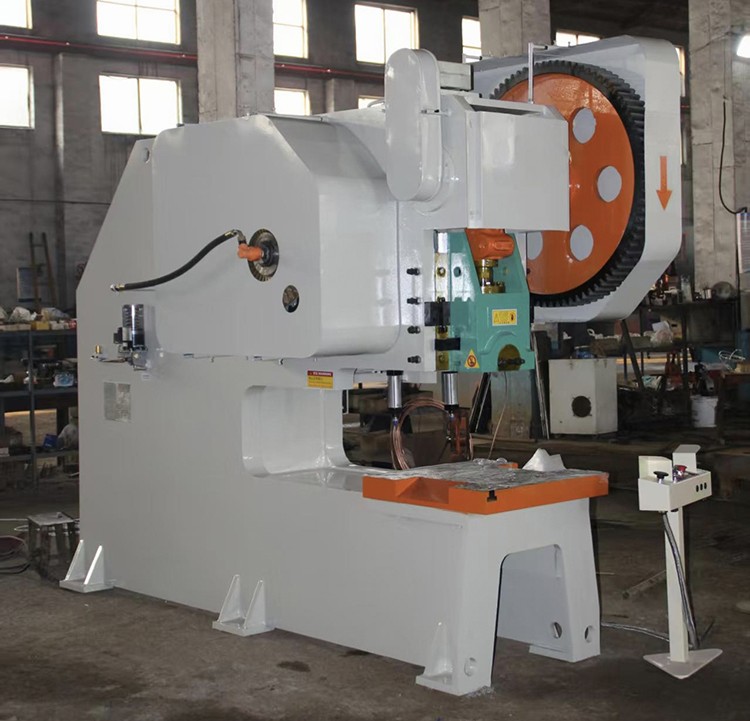
A CNC punching machine is a punching machine controlled by computer numerical control (CNC) technology, which automatically regulates the stamping process through a CNC system. Combining the mechanical structure of a punching machine with a high-precision CNC system, it can precisely control the stamping path and force according to processing requirements.
- High Precision: CNC punching machine deliver exceptional machining accuracy, meeting demands for complex shapes and diverse workpieces. They are ideal for small-batch, high-precision production tasks.
- High Automation: CNC punching machine enable automatic adjustment and tooling change, reducing manual intervention and boosting production efficiency.
- Flexibility: CNC press brakes can be programmed to adjust stamping parameters for different process requirements, adapting to the machining of workpieces of various shapes and sizes. They are particularly suitable for small-batch, multi-variety production.
CNC punching machine are widely used in precision manufacturing, metalworking, mold production, electronics, aerospace, and other fields. They are especially suitable for complex parts, rapid production task switching, and precision punching requirements. With the advancement of automation and smart manufacturing, CNC punching machine occupy an increasingly vital position in modern manufacturing.
Selecting the appropriate punching machine type should consider the following factors:
(1) Production Requirements: For large-scale, high-efficiency production, mechanical punching machine are typically more suitable; whereas small-batch, high-precision production tends to favor CNC punching machine.
(2) Punching Materials: For harder, thicker materials, hydraulic and mechanical punching machine may be more appropriate; for lightweight materials, pneumatic and CNC punching machine offer advantages.
(3) Cost and Budget: Mechanical and pneumatic punching machine generally offer lower costs, making them suitable for limited budgets and applications with less stringent precision requirements. Hydraulic and CNC punching machine are better suited for businesses requiring higher precision and possessing sufficient budget.
(4) Production Batch Size: Mechanical punching machine are highly efficient for large-volume production. Hydraulic and CNC punching machine are ideal for small to medium batch production, offering greater flexibility.
Punching machines are indispensable equipment in modern manufacturing. Selecting the appropriate type based on specific requirements is crucial. Mechanical, pneumatic, hydraulic, and CNC punching machine each possess unique advantages and application scenarios. When choosing equipment, enterprises should comprehensively consider production demands, cost budgets, processing materials, and required precision to select the most suitable machinery, thereby enhancing production efficiency and product quality.
 Address:Room 1202, Detaitang Building, No. 118 Huaguang Road, Zhangdian District, Zibo, Shandong
 WhatsApp:+8615653328535
 Wechat: +8615965331535
  E-mail:zs@sdsmachinery.com