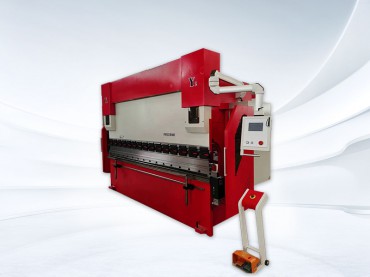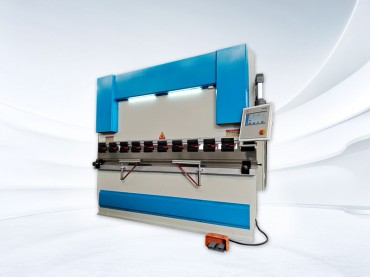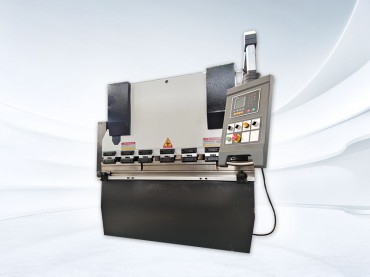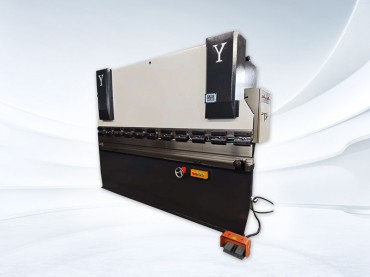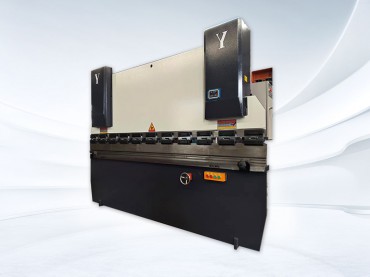
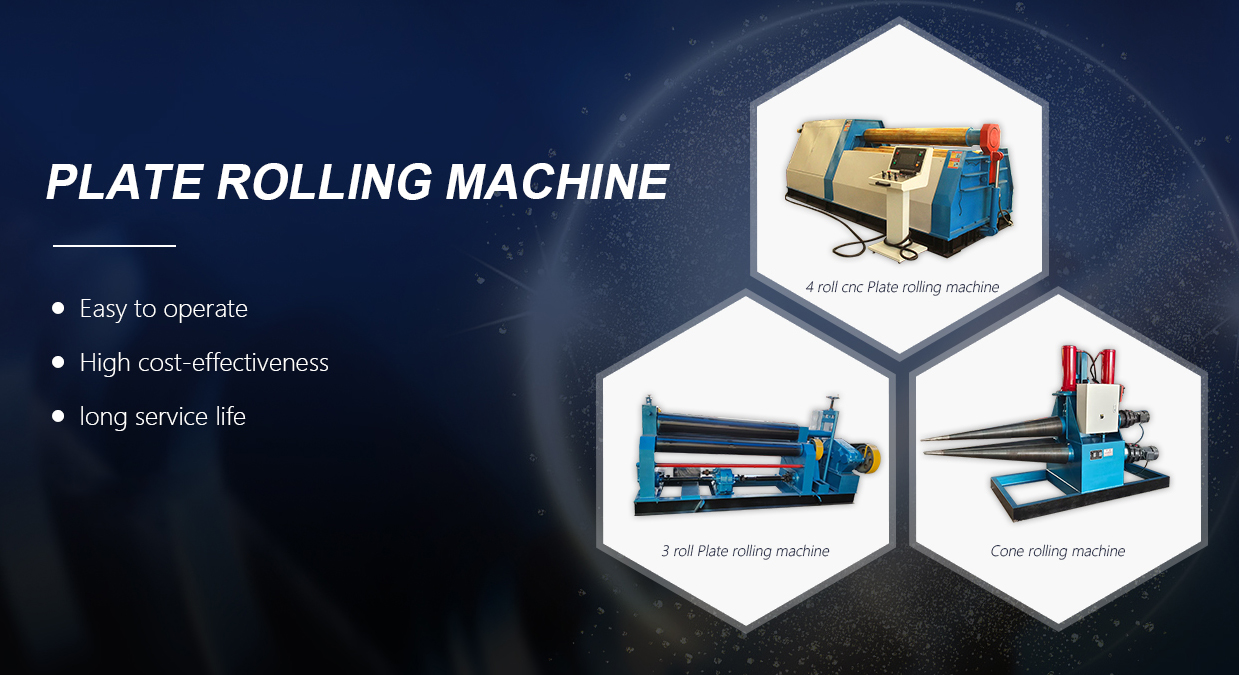
In modern manufacturing, hydraulic bending machines serve as common metalworking equipment widely used in sheet metal fabrication, machinery manufacturing, automotive parts production, and other fields. With their robust bending capacity, flexible operation, and high precision, hydraulic bending machines have become essential machinery for many processing plants. However, how does one select a hydraulic bending machine suited to their production needs? This article analyzes multiple aspects of choosing the right hydraulic bending machine to assist in making informed purchasing decisions.
Hydraulic bending machines utilize a hydraulic system to drive the relative motion between the worktable and upper/lower dies, applying pressure to bend metal sheets into desired angles and shapes. Key components include: the hydraulic system, worktable, upper die, lower die, and control system. The hydraulic system serves as the core, employing hydraulic cylinders to provide power, enabling the upper die to descend and press the metal sheet to complete the bending process.
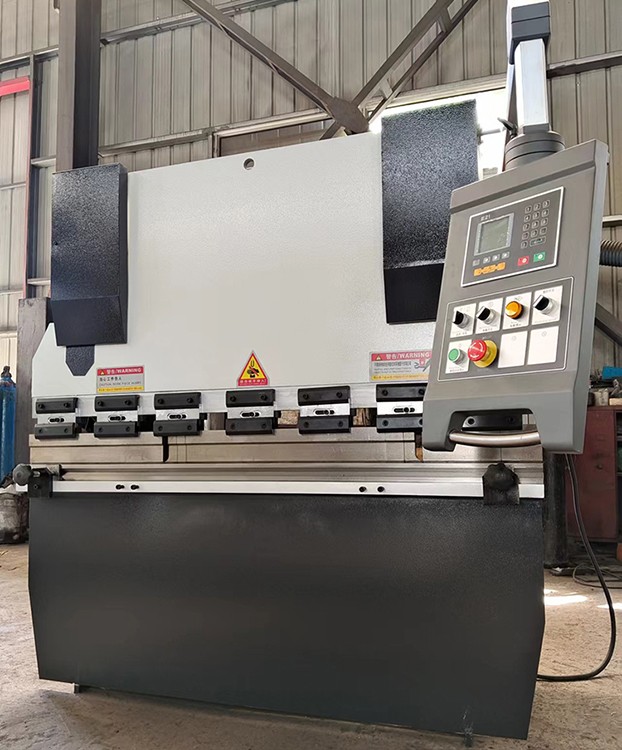
When choosing a hydraulic bending machine, comprehensively evaluate all equipment parameters. Key factors include:
The processing capacity of a hydraulic bending machine is closely tied to the thickness and width of the sheet metal. Generally, hydraulic bending machines have specific processing capacity ranges; sheet metal exceeding these limits cannot be processed. Therefore, selection should be based on your factory's production requirements to determine the maximum bending force and maximum processing width needed.
Bending Force: The bending force of a hydraulic bending machine is typically indicated in tons. Higher tonnage indicates greater bending capacity, enabling processing of thicker and harder sheets. Common tonnage ranges for hydraulic bending machines are 30 tons to 1000 tons. Selection should be based on the thickness and material of the sheet metal.
Processing Width: The worktable length should be determined based on the width of the processed sheet metal to ensure the equipment can accommodate and process larger-sized sheets.
The precision of a hydraulic bending machine directly impacts the quality of the final product. The stability of the hydraulic system and the accuracy of the pressure control system are critical to the machine's performance. When purchasing, focus on the design and quality of the hydraulic system, particularly the precision of the hydraulic cylinders, the performance of the pressure regulation system, and the stability of the hydraulic control system.
The control system is a vital component of hydraulic bending machines, with different systems offering varying levels of automation and intelligence. Select the appropriate control system based on requirements:
- Manual Control: Suitable for small-scale or simple production environments. Simple operation makes it ideal for customers with lower technical demands.
- CNC System: For users requiring high precision and large production batches, CNC hydraulic bending machines are more appropriate. CNC systems precisely control upper and lower die movements, ensuring accuracy for each bend line and meeting complex shape and high-precision machining requirements.
- Fully Automatic System: Suitable for automated assembly lines in large-scale production, enabling automatic feeding, bending, and unloading functions to significantly enhance production efficiency.
Hydraulic bending machines utilize upper and lower dies, whose shapes and materials directly impact bending outcomes. Die selection depends on sheet material thickness and bending requirements. Common die types include:
- V-shaped dies: Suitable for thinner sheets.
- U-shaped dies: Suitable for thicker sheets.
- Circular dies: Suitable for bending circular or special-shaped sheets.
Additionally, ease of die changeover is a critical selection factor. Hydraulic bending machines with quick-change die capabilities minimize production downtime and boost efficiency.
Safety is a critical factor when selecting a hydraulic bending machine. High-quality machines typically incorporate safety features such as protective covers, emergency stop buttons, and limit switches to prevent accidents during operation.
Furthermore, operational convenience is paramount. Choosing a control system that is easy to operate and features a user-friendly interface significantly enhances production efficiency and operator comfort.
Hydraulic bending machines are widely used across various industries, particularly in fields requiring metal sheet forming:
- Sheet metal fabrication: Production of metal products such as enclosures, cabinets, and housings.
- Pressure vessel manufacturing: Fabrication of pressure vessels like boilers and storage tanks.
- Automotive manufacturing: Bending of body structural components and chassis parts.
- Construction Industry: Processing metal roofing panels, exterior wall cladding, etc.
Proper operation and maintenance are crucial for extending the service life of hydraulic bending machines. Key measures include regularly inspecting hydraulic oil quality and levels, cleaning filters, replacing worn components, and checking the stability of electrical and CNC systems to ensure long-term, efficient operation.
In summary, selecting the appropriate hydraulic bending machine requires comprehensive consideration of production demands, sheet thickness, precision requirements, and the production environment. When choosing, focus not only on the equipment's technical specifications but also on the supplier's service quality and after-sales support. Selecting the right hydraulic bending machine can enhance production efficiency, reduce production costs, and ensure product quality, holding significant importance for the development of manufacturing enterprises.
If you are interested in bending machines, please contact us. We will recommend suitable machines and provide quotations.
 Address:Room 1202, Detaitang Building, No. 118 Huaguang Road, Zhangdian District, Zibo, Shandong
 WhatsApp:+8615653328535
 Wechat: +8615965331535
  E-mail:zs@sdsmachinery.com