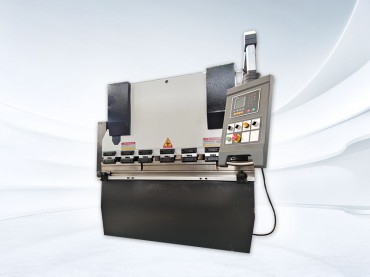
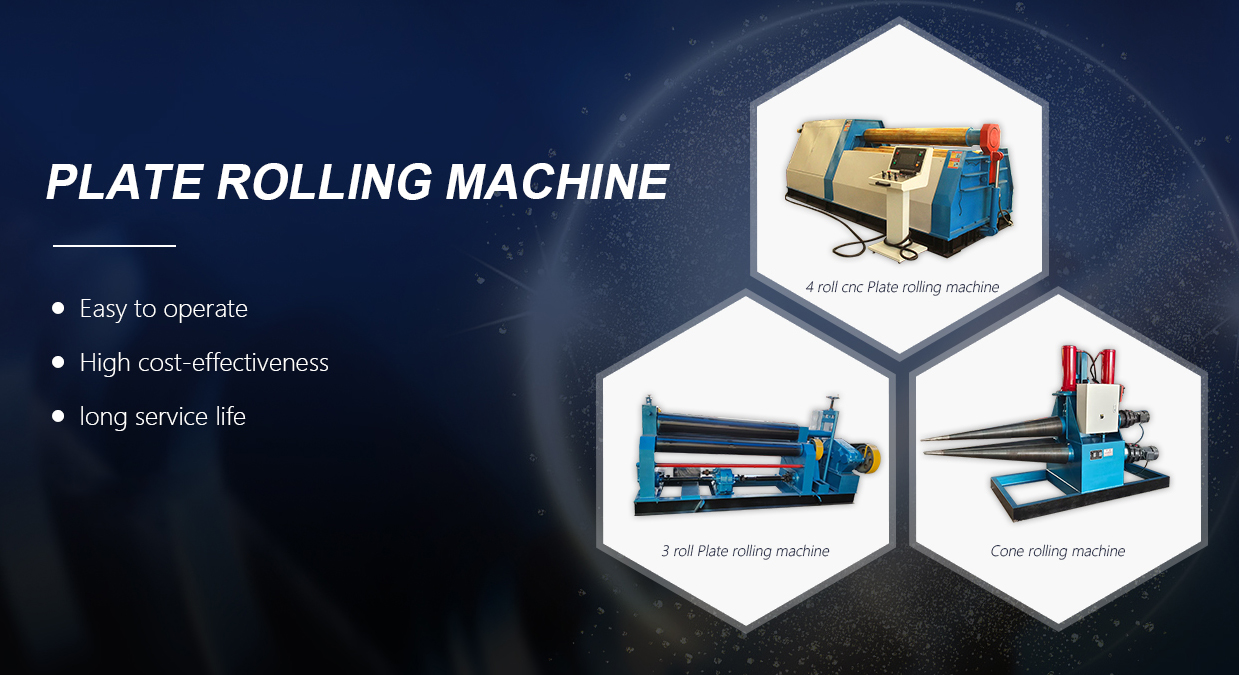
Against the backdrop of accelerated global manufacturing intelligence, CNC bending machines are emerging as pivotal equipment in the sheet metal processing industry. As core machinery in metal forming, these machines profoundly transform production models through high-precision control, automated operation, and stable, reliable performance, injecting new efficiency into industrial manufacturing worldwide. Today, whether in new energy equipment, architectural sheet metal, automotive components, or aerospace manufacturing, CNC bending machines have become essential tools for enhancing production capacity and product quality. Their technological advancements continue to propel the industry toward higher-end digitalization.
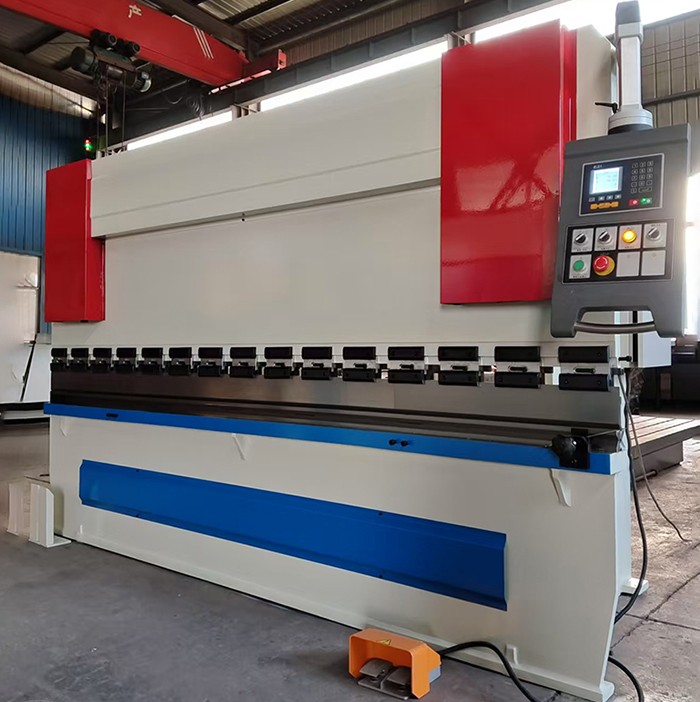
A CNC bending machine is a metal sheet bending machine that uses a computer numerical control system to regulate the ram stroke, backgauge position, and bending angle. It employs upper and lower dies working in tandem to bend metal sheets into specified shapes under high-precision pressure control. Its defining feature is “digital system control,” which includes: automatic calculation of bending pressure; automatic control of backgauge positioning; automatic determination of bending sequence; and automatic compensation for angular errors. This intelligent approach eliminates reliance on manual experience, instead driving the bending process through data to enhance precision and stability.
The CNC bending machine's operation is automatically coordinated by the system and can be summarized in four key steps:
The operator only needs to input data such as sheet thickness, bending angle, and workpiece dimensions. The system then automatically calculates the required bending pressure, compensation amount, and bending sequence.
The backgauge moves at high speed under servo motor control, achieving precise positioning to ensure consistent dimensions for each bend.
A hydraulic or servo-driven system precisely lowers the ram, forming the desired angle in the metal sheet between the dies.
Some high-end machines feature angle detection devices. The system monitors bending results in real time and automatically compensates for errors, enhancing bending consistency.
The entire process unfolds like a “digital metal forming script,” where each action is precisely calculated and automatically coordinated, simultaneously boosting forming efficiency and precision.
CNC bending machines are increasingly prevalent in sheet metal processing due to their distinct advantages in precision, efficiency, intelligence, and consistency.
The CNC system precisely controls ram travel, combined with hydraulic auto-compensation, keeping bending angle errors within ±0.2°. Repeat positioning accuracy reaches ±0.01 mm, making it ideal for high-end sheet metal fabrication.
Traditional bending relies heavily on operator expertise. CNC bending machines simplify operations through digital control, enabling new operators to master them quickly.
Features like automatic backgauge adjustment, automatic die-changing systems (on select models), and one-touch program recall significantly accelerate batch production, making it particularly suitable for high-mix, low-volume orders.
The CNC system ensures precise, repeatable bending actions, drastically reducing rework risks caused by human error. This is especially valuable for industries demanding high consistency, such as enclosures, cabinets, and appliance housings.
Multi-axis control technology and automatic compensation enable processing of complex curved surfaces and multi-folded workpieces, meeting diverse manufacturing demands.
CNC bending machines seamlessly connect with robots, automatic feeding systems, MES, and other systems, easily integrating into intelligent production lines to reduce labor and enhance overall management efficiency.
CNC bending machines serve virtually all sheet metal forming industries, including: sheet metal fabrication shops; new energy equipment manufacturing; architectural decoration; electrical and control cabinet industries; furniture and appliance production; automotive manufacturing and component processing; aerospace; construction and agricultural machinery manufacturing. Whether processing stainless steel, aluminum, carbon steel, or galvanized sheet, CNC bending machines deliver stable performance across varying thicknesses and process requirements.
CNC bending machines are not merely sheet metal forming equipment; they are a vital force propelling manufacturing toward digitalization and intelligence.With their exceptional precision, automated control capabilities, and robust stability, they continue to expand their influence across the global manufacturing sector. In future factories, CNC bending machines will persist as the “core high-precision metal forming equipment,” delivering faster, more accurate, and smarter production capabilities to an ever-widening range of industries.
 Address:Room 1202, Detaitang Building, No. 118 Huaguang Road, Zhangdian District, Zibo, Shandong
 WhatsApp:+8615653328535
 Wechat: +8615965331535
  E-mail:zs@sdsmachinery.com