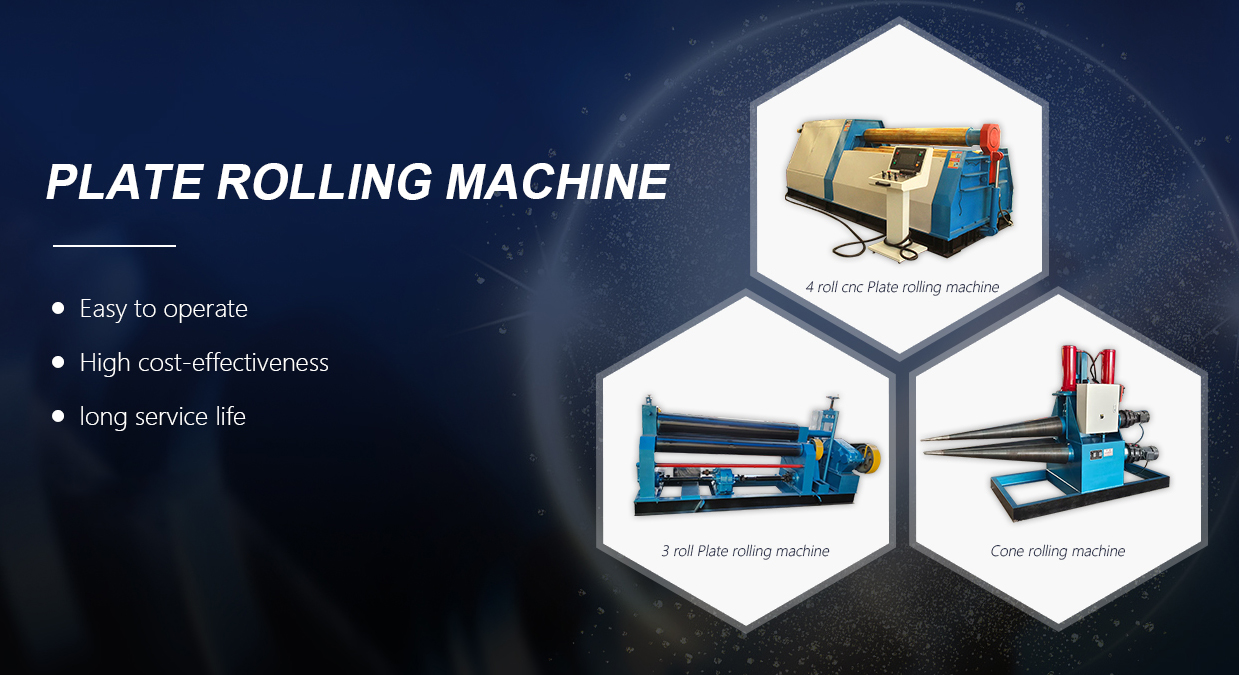
As modern manufacturing continues to evolve toward greater efficiency, precision, and automation, metal plate forming technology has become increasingly vital in industrial production. Across sectors such as pressure vessel manufacturing, shipbuilding, steel structure engineering, petrochemicals, wind power equipment, pipeline production, and heavy machinery manufacturing, the ability to rapidly and accurately shape metal plates into cylinders, arcs, or complex curved structures has become a key factor for enterprises seeking to boost productivity.
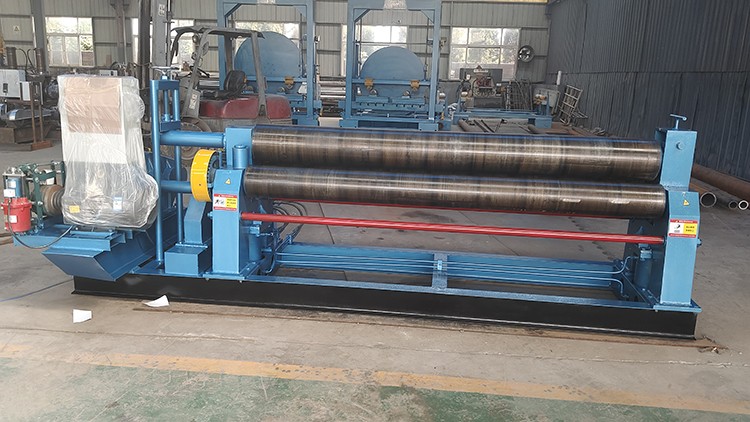
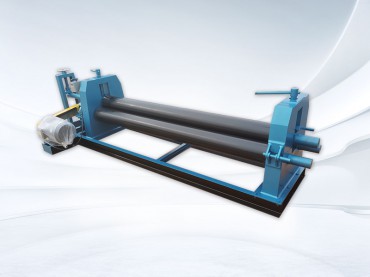
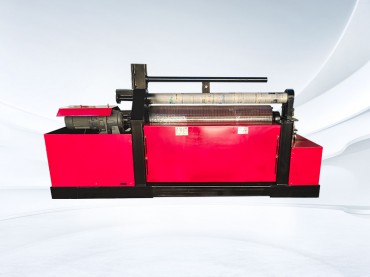
A hydraulic plate rolling machine is a piece of metalworking equipment that utilizes a hydraulic drive system to actuate the work rolls, thereby rolling and forming metal plates.
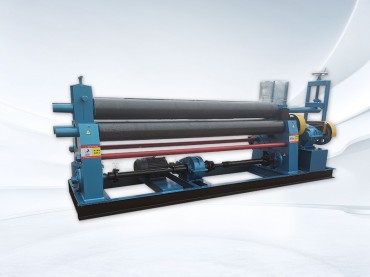
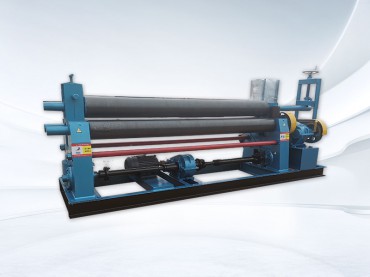
Based on their structural configuration, hydraulic plate rolling machines are primarily categorized into three-roll and four-roll models. Three-roll machines feature a simple structure and broad applicability, making them common choices for general cylindrical component processing. Four-roll machines, which incorporate side-roll controls, offer superior positioning accuracy and higher levels of automation, making them ideal for industries requiring high precision.
These machines typically consist of a frame, top roll, bottom roll, side rolls, a hydraulic system, a motor drive system, an electrical control system, and safety protection devices. During operation, the hydraulic system moves the work rolls; by adjusting the relative positions of the rolls, the machine applies uniform pressure to the plate, causing it to bend gradually. After multiple rolling passes, the plate is formed into a cylinder, arc, or cone structure that meets design specifications.
Thanks to their hydraulic drive mechanism, these machines deliver stable, continuous working pressure, enabling the processing of thicker metal plates. Compared to conventional mechanical rolling machines, hydraulic systems offer more precise pressure control, ensuring stable operation even when handling large, heavy workpieces. Industries such as large-scale steel structure, pressure vessel, and energy equipment manufacturing often require the processing of steel plates measuring tens of millimeters or more in thickness; hydraulic plate rolling machines are well-equipped to handle these demanding, high-load tasks.
At the same time, these machines are not limited to thick plates; they are equally effective at processing medium-gauge and thin plates. By adjusting hydraulic pressure and the distance between the rolls, precise rolling of plates with varying thicknesses and materials can be achieved.
Hydraulic plate rolling machines utilize hydraulic control systems to precisely adjust the position of the work rolls, ensuring the plate is subjected to uniform pressure. Compared to manual or mechanical adjustment methods, hydraulic control offers greater stability and effectively minimizes processing errors.
This is particularly important when processing large cylindrical components; uneven pressure distribution can easily lead to issues such as ovality deviations or inconsistent seam alignment. Hydraulic rolling machines, however, can precisely control the positions of the top, bottom, and side rolls to improve workpiece roundness, ensuring the finished product strictly meets design specifications.
For products requiring high dimensional accuracy—such as pressure vessels, boilers, and storage tanks—this high-precision rolling capability significantly boosts production quality and reduces the need for subsequent corrective work.
In traditional plate rolling processes, operators must constantly adjust roll positions and pressure based on experience; this entails high labor intensity and susceptibility to human error.
In contrast, hydraulic rolling machines employ hydraulic systems and CNC technology to control processing parameters with high accuracy. For instance, operators can input parameters based on plate thickness, material properties, and target dimensions, allowing the equipment to execute the rolling process according to the programmed settings.
This automated control approach not only simplifies operation and minimizes human error but also stabilizes the production process. For enterprises engaged in batch production, highly automated hydraulic rolling machines effectively increase productivity while reducing reliance on skilled labor.
Compared to equipment relying on mechanical transmissions, hydraulic drives avoid certain types of rigid impact, thereby reducing wear on critical components and extending the machine's service life. Additionally, the hydraulic system automatically adjusts pressure based on the actual load; when encountering significant resistance during processing, it delivers stable power output, thereby lowering the risk of equipment failure.
With proper periodic maintenance—such as monitoring hydraulic oil quality, cleaning filtration systems, inspecting seals, and ensuring adequate lubrication—hydraulic rolling machines can consistently maintain excellent performance over the long term.
In the pressure vessel manufacturing industry, hydraulic plate rolling machines are essential production equipment used to process large cylindrical structures such as storage tanks, reaction vessels, and boiler shells.
In the petrochemical industry, equipment such as pipelines, towers, and oil storage tanks requires plate rolling; hydraulic plate rolling machines meet the manufacturing needs for these large metal structures.
In shipbuilding, hull structures require a large number of curved plates; hydraulic plate rolling machines enable manufacturers to process plates to various size and curvature specifications.
In the wind power industry, wind turbine towers are typically constructed by rolling and welding multiple steel plate sections. This process demands high precision regarding plate roundness and processing stability, making hydraulic plate rolling machines a critical piece of equipment.
Additionally, industries such as steel structure construction, bridge engineering, mining equipment manufacturing, and general machinery manufacturing also make extensive use of hydraulic plate rolling machines for metal forming.
- High processing efficiency reduces the production time per unit and increases equipment utilization rates.
- Consistent processing precision lowers scrap rates and the need for rework, thereby reducing material waste.
- Automated operation reduces labor requirements and lowers long-term production costs.
For large manufacturing enterprises, a reliable hydraulic plate rolling machine is not merely a piece of processing equipment but a strategic investment that boosts production efficiency and market competitiveness.
Compared to traditional mechanical plate rolling machines, the primary differences lie in the power source and control method.
Mechanical plate rolling machines rely on mechanical transmission structures to generate force, whereas hydraulic plate rolling machines use hydraulic fluid to transmit power, allowing for more flexible pressure control.
Hydraulic systems offer distinct advantages when processing large, thick plates, as they can deliver greater output force while maintaining stable pressure. Furthermore, hydraulic plate rolling machines align better with the demands of modern manufacturing in terms of ease of operation, automation levels, and processing precision.
Although the initial investment cost for hydraulic equipment may be higher, its high efficiency, low maintenance costs, and stable performance yield superior overall returns in the long run.
When selecting a hydraulic plate rolling machine, enterprises should make a comprehensive assessment based on their specific production requirements.
(1) It is essential to clearly define the material, maximum thickness, maximum width, and minimum rolling diameter of the plates to be processed. Equipment specifications determine the processing range; insufficient capacity compromises quality, while excessive capacity leads to a waste of resources.
(2) Attention should be paid to the machine's structural configuration. For instance, a three-roll hydraulic plate rolling machine is suitable for standard cylindrical forming, whereas a four-roll machine is preferable for high-precision, high-volume production.
(3) Other critical factors include the hydraulic system, electrical control system, manufacturing quality, and the manufacturer's after-sales service capabilities.
(4) Selecting a reliable manufacturer ensures not only consistent equipment quality but also access to technical support, operational training, and long-term maintenance services.
With advantages such as robust processing capabilities, high precision, a high degree of automation, stable operation, versatility, and high production efficiency, hydraulic plate rolling machines have become vital equipment in modern sheet metal processing. They play an indispensable role across diverse sectors, including pressure vessel fabrication, shipbuilding, petrochemicals, wind power equipment, steel structure engineering, and machinery manufacturing.
As the manufacturing industry continues to upgrade, the demand for high-quality, high-efficiency processing equipment will keep growing. In the future, intelligent, energy-efficient, and high-precision hydraulic plate rolling machines will further drive the advancement of metal forming technology, providing more reliable and efficient solutions for global industrial manufacturing.
 Address:Room 1202, Detaitang Building, No. 118 Huaguang Road, Zhangdian District, Zibo, Shandong
 WhatsApp:+8615653328535
 Wechat: +8615965331535
  E-mail:zs@sdsmachinery.com