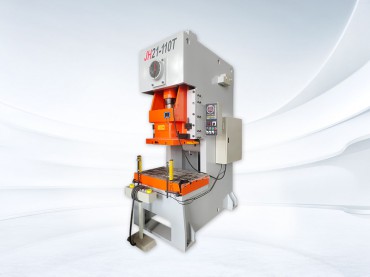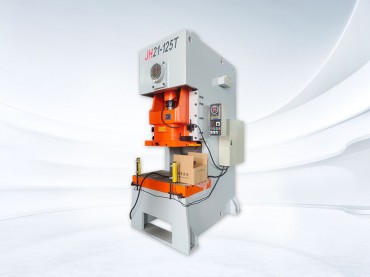
As modern manufacturing continues to evolve toward automation, high efficiency, and high precision, metal sheet processing equipment plays an increasingly vital role in industrial production. Pneumatic punch presses, in particular, are widely used across industries such as hardware processing, electronics manufacturing, automotive parts, home appliance production, construction materials, and machinery manufacturing, thanks to advantages like high operating speeds, ease of operation, low energy consumption, and simple maintenance. For enterprises requiring high-volume stamping, pneumatic punch presses have become essential equipment for boosting productivity and ensuring product consistency.
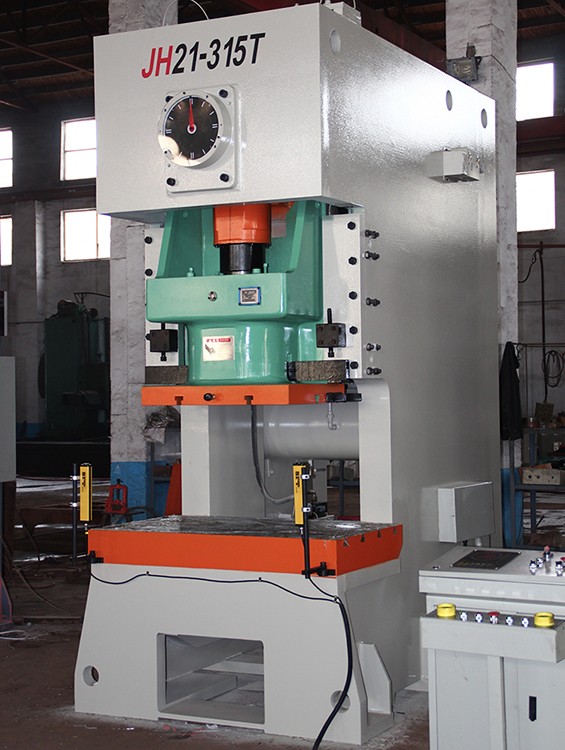
A pneumatic punch press is a machine that uses compressed air as its power source. It employs a pneumatic cylinder to drive the vertical movement of a slide, which—in conjunction with a punch and die—performs stamping operations on metal materials. Unlike mechanical punch presses that rely on flywheel and crankshaft transmissions, pneumatic punch presses are driven by stable air pressure, resulting in rapid response times, relatively simple structures, and smooth operation.
Modern pneumatic punch presses typically consist of a machine frame, a pneumatic system, a slide mechanism, a die mounting platform, an electrical control system, and safety protection devices. Operators simply place the workpiece in the designated position on the die and activate the machine using a foot pedal, dual-hand buttons, or an automated control system; the punch then rapidly executes the stamping action.
The primary function of a pneumatic punch press is to use dies to stamp and form metal materials, allowing sheet metal to undergo various processing steps quickly according to design specifications. In modern manufacturing, it has evolved beyond a simple hole-punching tool into a versatile processing machine capable of performing a wide range of operations.
By using punches and dies of various specifications, the machine can create round, square, oblong, irregular, and other specialized hole shapes in materials such as steel, stainless steel, aluminum, and copper sheets. Compared to traditional drilling methods, punching offers faster speeds, higher efficiency, and more consistent hole-wall quality.
Blanking is a process that uses a die to cut a piece of sheet metal to specific design dimensions in a single stroke, creating the desired part. This method offers high dimensional accuracy and is ideal for the mass production of standard parts; it is widely used in the manufacture of hardware products, home appliance components, and automotive parts.
In many stamping processes, excess material remains on the edges of a part after forming, necessitating a trimming operation. Using specialized trimming dies allows for the rapid removal of burrs, thereby enhancing dimensional accuracy and surface quality.
For instance, the manufacturing of metal casings, nameplates, decorative elements, and electronic device housings often requires the impression of brand logos, reinforcing ribs, or decorative patterns; these features can be achieved using pneumatic presses equipped with specialized dies.
(1) Hardware Industry: Pneumatic punch presses are used to manufacture a wide range of hardware components, including brackets, connectors, door and window fittings, furniture hardware, and standard fasteners. Given the standardized specifications and high production volumes of these products, pneumatic presses significantly boost production efficiency.
(2) Electronics and Electrical Appliance Industry: This is another major application area. Components such as computer chassis, power distribution cabinets, electrical control boxes, communication equipment housings, and brackets for electronic parts require extensive punching, blanking, and forming operations. Pneumatic presses ensure dimensional consistency while meeting the demands of continuous production.
(3) Automotive Manufacturing: Pneumatic punch presses are widely used to produce various small stamped parts, such as brackets, connecting plates, mounting tabs, and fasteners. The high volume of these components—combined with strict requirements for processing efficiency and consistency—makes pneumatic presses ideal for mass production.
(4) Home Appliance Manufacturing: The casings and internal structural components of products like refrigerators, washing machines, air conditioners, microwave ovens, and kitchen appliances undergo stamping processes. Pneumatic presses enable the rapid machining of standard hole patterns and mounting structures, thereby improving the efficiency of final assembly.
(1) High Processing Efficiency: Thanks to the rapid response of pneumatic systems, the equipment can perform continuous stamping operations. This makes it highly suitable for mass production and allows for significantly shorter processing cycles.
(2) Stable Processing Precision: With proper die design and correct equipment parameter settings, each stamping stroke maintains a high level of consistency, which helps ensure superior product quality.
(3) Operation is relatively simple. Modern pneumatic punch presses are typically equipped with user-friendly control systems; new employees can master basic operations after only brief training, thereby reducing corporate training costs.
(4) Stable operation. Pneumatic drive systems reduce mechanical shock, resulting in smoother operation, decreased wear on components, and enhanced equipment stability.
(5) Easy maintenance. Pneumatic systems feature a relatively simple structure. Routine maintenance—such as checking air supply pressure, lubricating moving parts, and inspecting seals—requires minimal effort, helping to reduce equipment downtime.
(6) Modern pneumatic punch presses are generally equipped with safety features such as two-hand controls, photoelectric protection, emergency stops, and pressure monitoring systems; when used correctly, these features further enhance operational safety.
To maximize equipment performance, enterprises should focus on process optimization and equipment maintenance during operation.
(1) Select appropriate dies based on the material type, thickness, and product structure. High-quality dies not only improve processing quality but also reduce punch wear and extend the equipment's service life.
(2) Properly adjust working pressure and punching speed to avoid incomplete cuts caused by insufficient pressure or excessive equipment load caused by excessive pressure.
(3) For mass production, consider integrating automatic feeding devices, robotic arms, or automatic unloading systems to enable continuous processing, boost overall productivity, and minimize errors associated with manual operation.
(4) Establish a comprehensive maintenance system to regularly inspect pneumatic components, lubrication systems, and fasteners, and promptly replace worn parts to ensure the equipment remains in optimal operating condition.
As a vital piece of equipment in modern metal stamping, the pneumatic punch press offers diverse capabilities—including punching, blanking, trimming, embossing, and forming—alongside advantages such as high efficiency, high precision, ease of use, and low maintenance costs. Consequently, it is widely used across industries including hardware manufacturing, automotive parts, electronics and electrical appliances, home appliance production, architectural decoration, and machinery manufacturing.
With the continuous advancement of automation, intelligent control, and high-performance die technologies, pneumatic punch presses are poised to play an increasingly important role in the future of manufacturing. For enterprises aiming to boost production efficiency, ensure product quality, and reduce overall manufacturing costs, selecting a pneumatic punch press with stable performance and a well-balanced configuration—combined with scientific production management and standardized equipment maintenance—will help further enhance market competitiveness and achieve goals for high-quality, sustainable development.
 Address:Room 1202, Detaitang Building, No. 118 Huaguang Road, Zhangdian District, Zibo, Shandong
 WhatsApp:+8615653328535
 Wechat: +8615965331535
  E-mail:zs@sdsmachinery.com