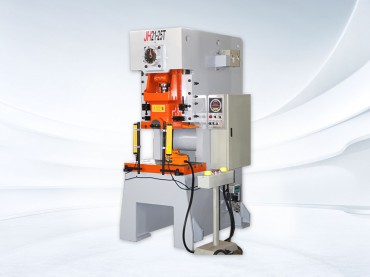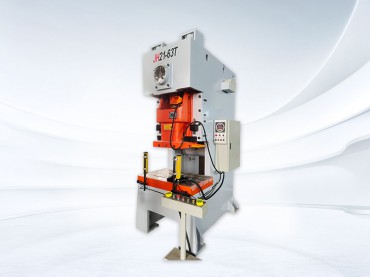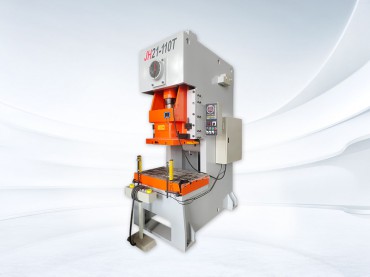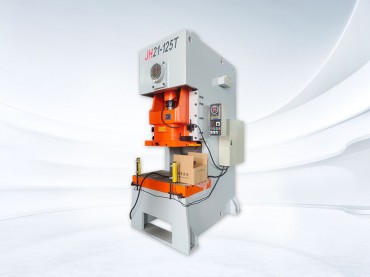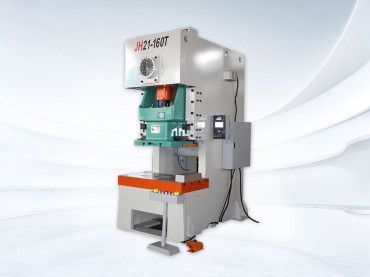
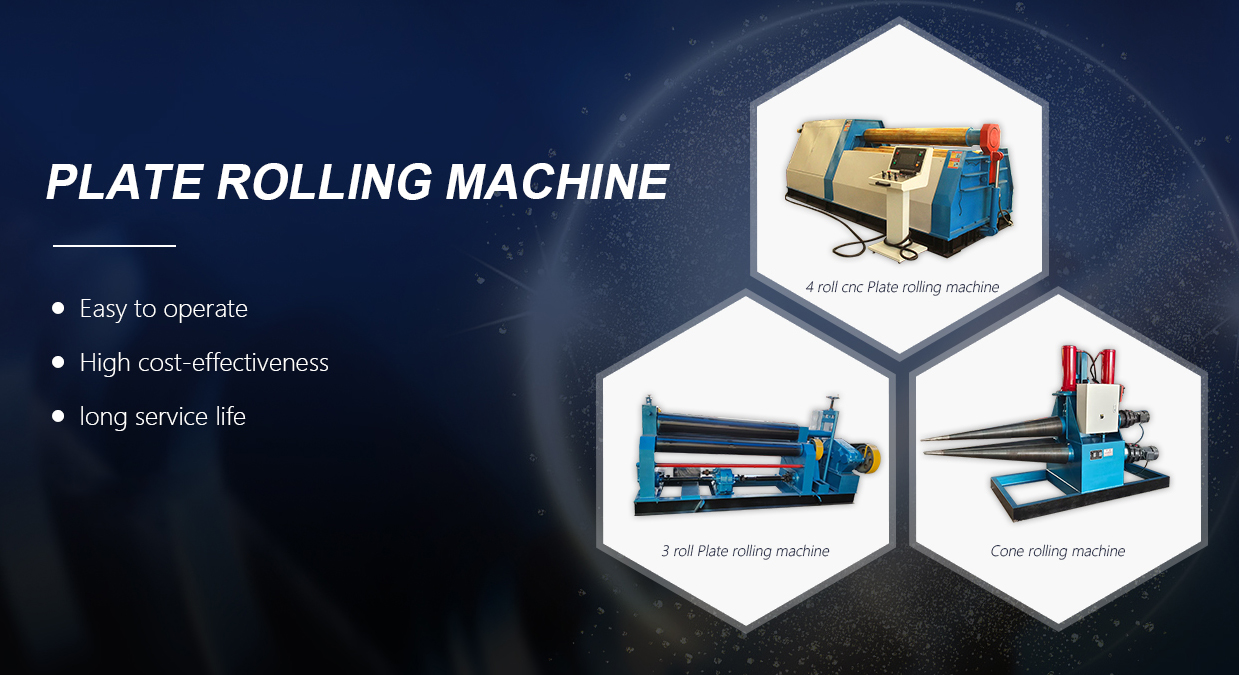
With the development of industrial manufacturing, punching machine, as core equipment in the metal processing field, have become indispensable tools in various factories, machinery manufacturing, and parts production. Whether in automobile manufacturing, home appliance production, hardware processing, or building materials manufacturing, punching machine, with their high efficiency, precision, and multifunctionality, provide crucial support for enterprises to improve production efficiency and product quality. This article will systematically elaborate on the advantages of punching machine in modern industrial production from the aspects of basic concepts, types, performance advantages, application value, and future development trends.
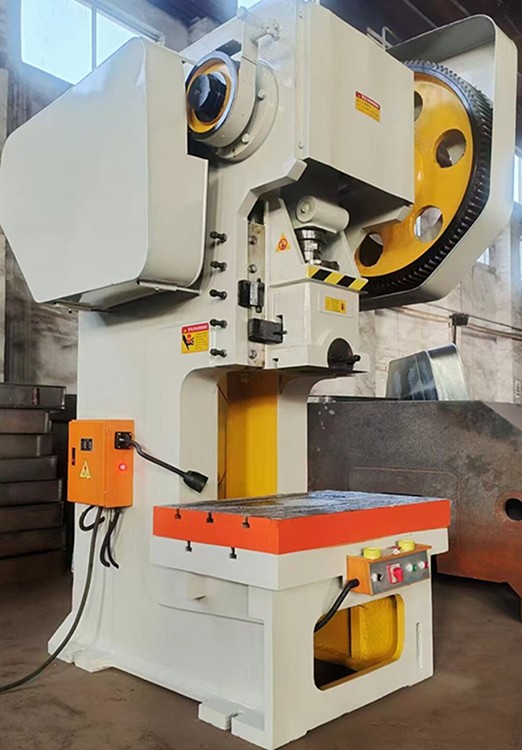
A punching machine is a mechanical device that uses a punch to cut and form metal sheets or other materials. According to different driving methods, punching machine are mainly divided into three categories:
(1) Mechanical punching machine: Driven by a crank-connecting rod mechanism, it has high speed and high production efficiency, suitable for mass production.
(2) Hydraulic punching machine: Powered by a hydraulic system, it has the characteristics of high punching force and flexible adjustment, suitable for processing thick plates or complex workpieces.
(3) Pneumatic punching machine: Powered by compressed air, it is suitable for stamping small, thin materials, with a simple structure and convenient operation.
Punching machine enable rapid and repetitive stamping operations, achieving production efficiency far exceeding that of manual processing. Mechanical punching machine are particularly suitable for mass production; through automatic feeding and continuous stamping, they can complete the processing of a large number of workpieces per unit time, thereby reducing production cycles and costs.
Modern punching machine are equipped with advanced control systems, such as CNC punching machine, enabling precise machining of complex workpieces. punching machine can complete precision drilling, cutting, and forming operations in a very short time, ensuring product dimensional consistency and processing accuracy, meeting the demands of high-standard industrial production.
Punching machine can not only punch holes but also perform various processing operations such as cutting, stamping, bending, and forming. By changing molds or adjusting process parameters, punching machine can adapt to the processing needs of different shapes and materials, greatly improving the applicability of the equipment.
The high level of automation in punching machine reduces reliance on manual operation. Compared with traditional manual processing, punching machine can complete repetitive, high-intensity work in a short time, reducing labor costs while minimizing operational errors and safety risks.
The waste rate of metal materials during stamping is low. Through reasonable mold design and layout, stamping can maximize the utilization of sheet metal area, reduce waste, and thus lower raw material costs.
Modern stamping machines are equipped with various safety protection devices, such as protective covers, photoelectric protection systems, and emergency stop buttons. During operation, the equipment ensures personnel safety, and the control system monitors the stamping process in real time, improving production controllability.
(1) Automobile Manufacturing: Stamping machines are widely used in the processing of automobile parts, such as body panels, chassis parts, and structural components. High-precision stamping ensures the dimensional accuracy and assembly consistency of automobile parts.
(2) Home Appliance Production: Stamping machines are used for processing metal casings, panels, and internal structural components of home appliances. Through efficient stamping, home appliance manufacturers can meet the market's dual requirements for product quality and production cycle.
(3) Hardware Processing: Various hardware parts, such as nuts, brackets, and connectors, can be quickly produced using stamping machines, ensuring standardization and batch production.
(4) Building Material Processing: In the production of building materials such as steel structures, doors and windows, and railings, punching machine can perform punching, shearing, and forming operations, improving production efficiency and product quality.
(5) Electronics and Precision Industry: Small precision punching machine can be used for processing metal parts for electronic components and precision instruments, achieving high precision and complex process requirements.
(1) Increased Production Efficiency: High speed and high automation shorten the production cycle and reduce overall manufacturing costs.
(2) Reduced Material Waste: Optimized mold design and layout improve sheet metal utilization and save raw material costs.
(3) Reduced Labor Input: Automated processing reduces labor demand and labor intensity, lowering labor costs.
(4) Improved Product Consistency: High-precision processing ensures uniform product dimensions, reduces rework and scrap rates, and improves economic efficiency.
In summary, punching machine not only improve efficiency in industrial production but also directly bring considerable economic returns to enterprises.
(1) Regularly inspect the molds and lubrication system: Ensure smooth operation of the punching machine and extend its lifespan.
(2) Operating Procedures: Strictly follow the operating procedures for punching to avoid accidents or equipment damage caused by improper operation.
(3) Environmental Management: Keep the working environment of the punching machine clean to reduce the impact of dust and debris on the equipment.
(4) Technical Training: Provide professional training for operators to improve operating efficiency and safety awareness.
Scientific use and maintenance are key to ensuring the long-term stable operation of the punching machine and maximizing its advantages.
(1) CNC and Intelligentization: CNC punching machine and intelligent punching machine can achieve precise control, automated production, and remote monitoring, improving production efficiency and product quality.
(2) Multifunctional Integration: Future punching machine will integrate stamping, shearing, bending, and forming, achieving more flexible and efficient processing capabilities.
(3) Green and Energy-Saving: New punching machine emphasize energy-saving design and the use of environmentally friendly materials, reducing energy consumption and production pollution, and meeting the requirements of sustainable development.
(4) High Precision and High Reliability: With the improvement of industrial manufacturing levels, punching machine are continuously optimized in terms of precision, speed, and stability to meet the needs of high-end manufacturing industries.
Punching machine, with their high efficiency, high precision, multi-functionality, and economic benefits, have become an irreplaceable core piece of equipment in modern industrial production. They not only improve metal processing efficiency but also reduce material waste and labor costs, and enhance product quality and consistency. With the development of CNC technology, intelligent manufacturing, and energy conservation and environmental protection, the functions and application scope of punching machine will be further expanded. Whether in the automotive, home appliance, hardware, building materials, or precision industrial fields, punching machine will continue to play an important role, becoming a crucial tool for promoting industrial manufacturing upgrades and improving enterprise efficiency.
 Address:Room 1202, Detaitang Building, No. 118 Huaguang Road, Zhangdian District, Zibo, Shandong
 WhatsApp:+8615653328535
 Wechat: +8615965331535
  E-mail:zs@sdsmachinery.com