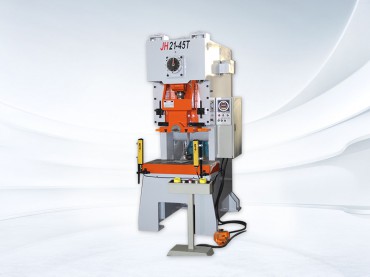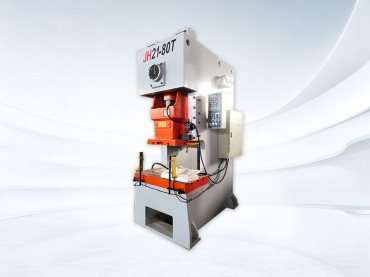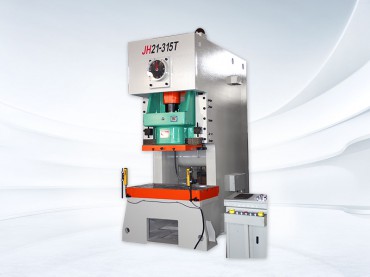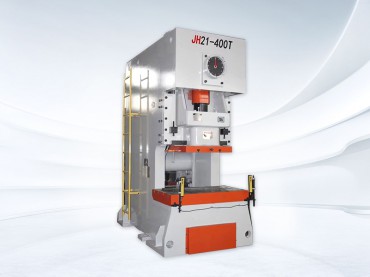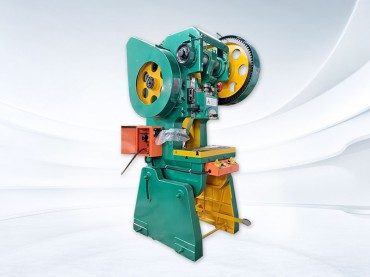
In modern manufacturing, punch presses—as essential equipment in the metalworking industry—are widely used in processes such as punching, blanking, bending, and stretching. Whether in automotive parts production, home appliance manufacturing, or the hardware processing industry, the performance and selection of a punch press directly impact product quality, production efficiency, and a company’s cost control. However, there is a wide variety of punch presses on the market, including mechanical, hydraulic, and pneumatic models, with significant differences in structure, performance, and applications. For companies, determining which punch press best suits their specific production needs from among these options is a critical decision.
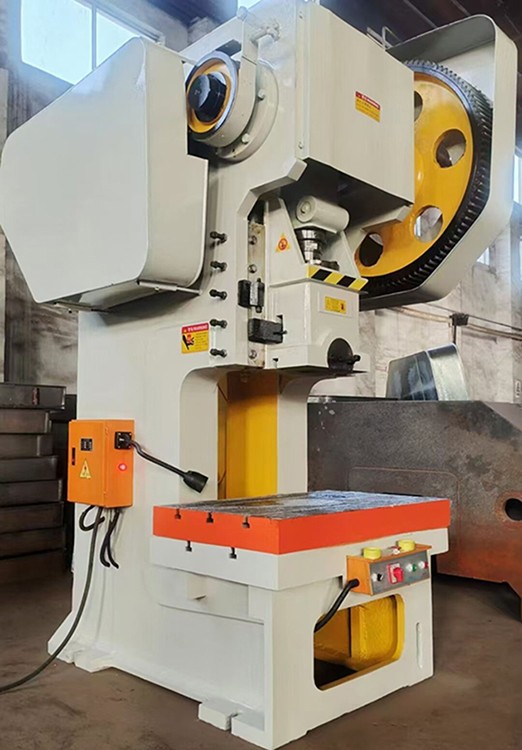
Different materials impose significantly different requirements on punch presses. For example, materials such as ordinary carbon steel, stainless steel, and aluminum sheets differ markedly in terms of strength and ductility. The thicker and stronger the material, the higher the tonnage required of the punch press. Therefore, when selecting a machine, it is essential to clearly define the type of material to be processed, its thickness range, and batch size to reasonably determine the equipment parameters.
Different processing methods place varying demands on punch press performance. For example, punching and blanking are suitable for high-speed mechanical punch presses; stretching and forming are better suited for hydraulic punch presses; and precision machining requires highly stable equipment. If the process is complex or involves multiple steps, it is recommended to choose equipment with greater adaptability to enhance production flexibility.
Mechanical punch presses use an electric motor to drive a flywheel for energy storage, then transmit power via a crankshaft. They are characterized by high speed and efficiency, making them suitable for high-volume production. Their advantages include high production efficiency and lower costs, but they have some limitations in terms of precision control and processing flexibility.
Hydraulic punch presses utilize a hydraulic system to provide pressure, offering stable pressure and precise control, making them suitable for complex forming and high-precision machining. Their advantages include high adaptability and safety, though their operating speed is relatively slow.
Pneumatic punch presses use compressed air as their power source. They feature a simple structure and convenient operation, making them suitable for small-to-medium batch production and light-duty machining. Their advantages include high safety and low maintenance costs, though their tonnage range is relatively limited.
Punch press tonnage is a key parameter that determines whether the equipment can meet production requirements. Insufficient tonnage can result in incomplete stamping or even damage to the equipment; conversely, excessive tonnage increases equipment costs and energy consumption. Generally, the required tonnage can be calculated based on material thickness, strength, and die dimensions. It is recommended to include a safety margin of 10% to 20% to ensure long-term, stable operation of the equipment.
The precision of a punch press directly impacts product quality. When selecting a model, pay close attention to the following aspects: First, the running precision of the ram—smooth ram movement directly affects processing results; second, the guide rail design—high-precision guide rails reduce wear and extend equipment lifespan; and finally, the rigidity of the machine body—the greater the rigidity, the better the resistance to deformation. High-precision, high-rigidity punch presses not only improve the yield rate of finished products but also reduce die wear.
Punch presses are high-risk machines, making safety a critical consideration during the purchasing process. High-quality punch presses are typically equipped with comprehensive safety protection devices, such as emergency stop buttons, safety light curtain systems, two-hand control devices, and overload protection functions. These features effectively reduce operational risks and ensure personnel safety.
As long-term operational equipment, the stability of a punch press depends not only on its quality but also on post-purchase maintenance and service support. Therefore, when selecting a supplier, key considerations should include: whether comprehensive technical support is provided, whether a stable supply of spare parts is available, and whether installation, commissioning, and operator training are offered. Good after-sales service can effectively minimize downtime and ensure production continuity.
Selecting the right punch press is a systematic process that requires comprehensive consideration of various factors, including processing requirements, equipment type, performance parameters, safety features, and after-sales service. Only by thoroughly analyzing your production characteristics and selecting a highly compatible punch press can you truly achieve the goals of improving production efficiency, optimizing product quality, and controlling costs. For businesses, a suitable punch press is not merely a production tool but a crucial factor in enhancing competitiveness.
If you are interested in punch presses, please contact us, and we will recommend suitable machines and provide you with a quote.
 Address:Room 1202, Detaitang Building, No. 118 Huaguang Road, Zhangdian District, Zibo, Shandong
 WhatsApp:+8615653328535
 Wechat: +8615965331535
  E-mail:zs@sdsmachinery.com