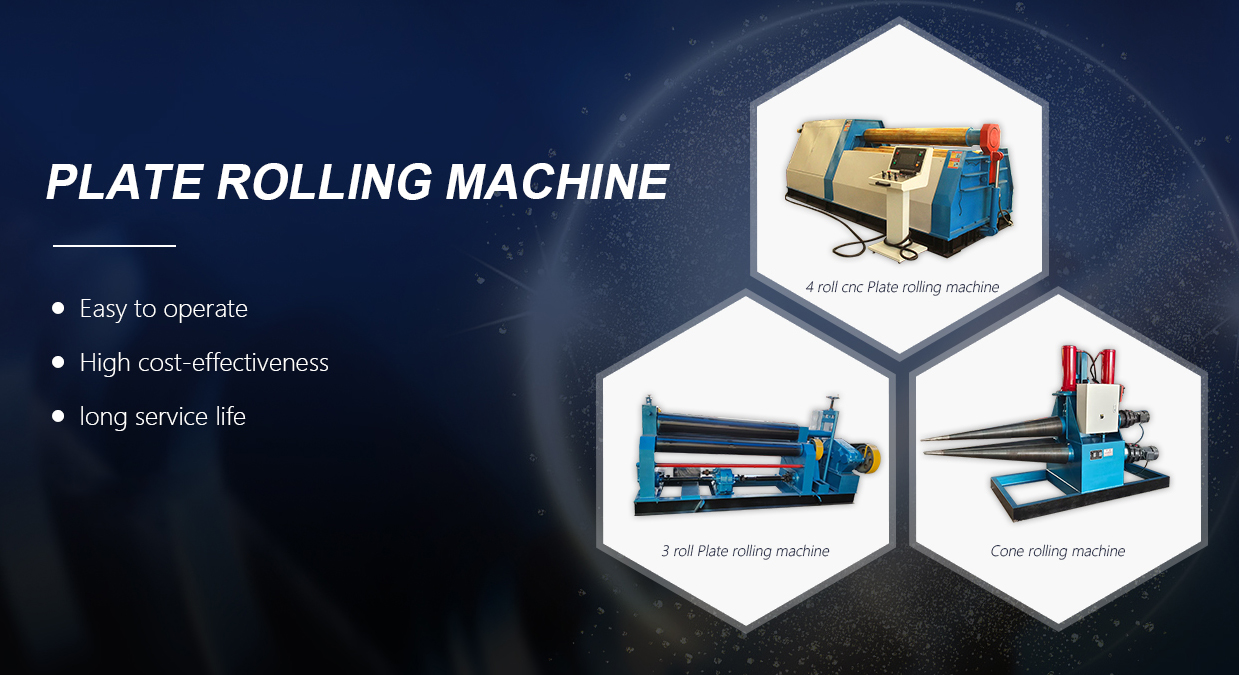
With the rapid advancement of modern industry, plate rolling machines have become essential metalworking equipment widely applied across numerous sectors. Particularly in construction, shipbuilding, pressure vessels, boilers, piping, and automotive industries, these machines play a crucial role in metal plate processing. Their primary function is to mechanically alter the shape of flat metal plates, forming them into required circular, curved, or other shaped components. This article will provide a detailed overview of plate rolling machines' applications and their significant role across multiple industries.
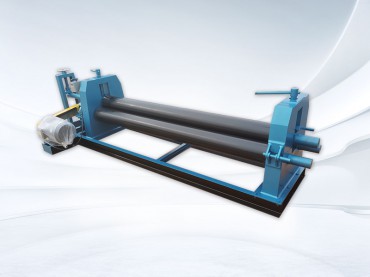
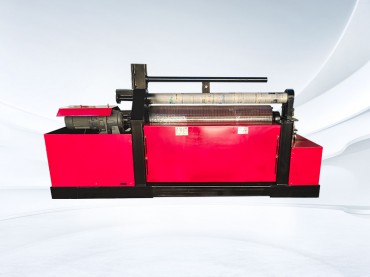
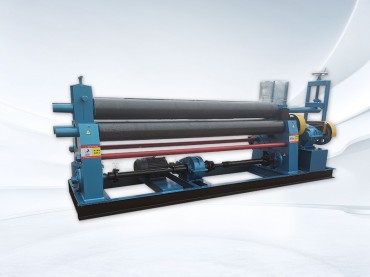
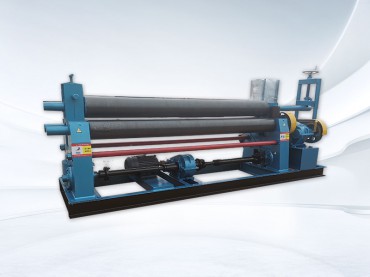
Plate rolling machines, also known as plate metal bending machines, are devices that utilize pressure rollers, drive systems, and control systems to bend, curve, or deform flat metal plates under high pressure. Its fundamental principle involves applying force to the plate through three sets of rollers, gradually bending it until the desired circular or other curved shape is achieved.
Plate rolling machines are typically categorized into three-roll and four-roll types. Three-roll rolling machines offer advantages such as simple structure, ease of operation, and lower cost, making them suitable for routine metal plate processing. Four-roll plate rolling machines, however, offer higher processing precision and are particularly suitable for plate metal processing requiring high accuracy and complex shapes.
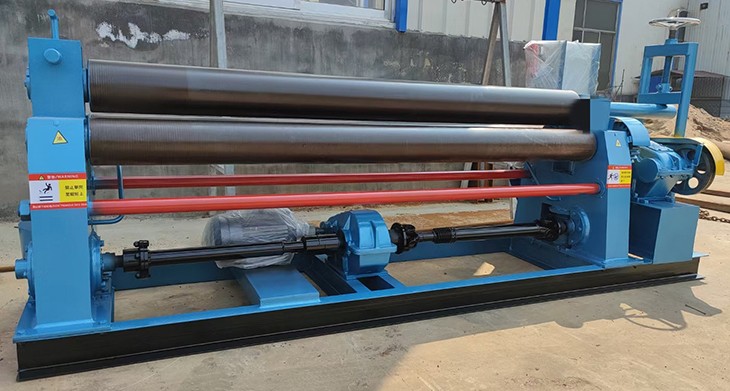
Plate rolling machines play a vital role across multiple industries. Below are several typical application areas:
In the construction sector, plate rolling machines are primarily used to produce bent components for various metal structures, such as roof plates, wall plates, pipes, and support frames. As the construction sector increasingly demands durable, lightweight materials, the application of plate rolling machines has expanded significantly. Particularly in large-scale buildings and bridge construction, curved metal components processed by these machines substantially enhance construction efficiency and reduce labor costs. Within construction, plate rolling machines are especially suited for manufacturing steel structures and prefabricated components. By curving steel plates, they produce curved surfaces that meet specific requirements—a critical capability for steel structure construction.
Shipbuilding ranks among the most extensive applications for plate rolling machines. Hull construction demands large metal plates precisely curved to design specifications, forming the vessel's curved surfaces. Plate rolling machines efficiently process thick steel plates to produce curved components meeting maritime standards. Particularly for ship steel plates and curved structures, the processing precision and production efficiency of rolling machines directly impact vessel quality and safety performance. Thus, rolling machines not only enhance production efficiency in shipbuilding but also ensure hull safety and durability.
Pressure vessels and boilers are common industrial equipment requiring high strength and pressure resistance. Rolling machines play a crucial role in their production. By processing metal plates, these machines create curved cylindrical sections and other components. In boiler manufacturing, rolling machines are extensively used for forming boiler drums and other critical parts. They precisely roll steel plates of varying thicknesses to meet the stringent precision and strength requirements of boiler production.
Within the automotive manufacturing sector, plate rolling machines process various metal components for vehicle bodies and chassis. As automotive design and production techniques continuously evolve, manufacturers demand increasingly precise curved shapes and higher accuracy in metal materials. Plate rolling machines achieve high-precision metal component processing within short timeframes, ensuring vehicles meet structural strength and aesthetic design requirements. Particularly in producing automotive body shells, plate rolling machines efficiently curl thin plates to manufacture components meeting body design specifications. Additionally, these machines are employed in fabricating automotive chassis, frames, exhaust systems, and other components.
Steel structures are widely adopted in modern construction, where plate rolling machines play an irreplaceable role in production. Steel structures require extensive plate metal bending to facilitate connections with other components. The efficiency and precision of rolling machines ensure accurate fabrication and installation of structural steel parts. For instance, in large-scale projects like bridge construction, industrial plants, and warehousing facilities, rolling machines are frequently employed to process steel into various curved shapes to meet design specifications. Steel plates processed by rolling machines find extensive application in structural supports, exterior walls, roofing, and other components.
In energy sectors such as oil and natural gas, pipeline construction demands large quantities of steel subjected to precise bending processes. Pipe bending machines efficiently roll steel plates into circular or other shaped metal components required for pipes, reducing welding and machining steps while boosting production efficiency. Additionally, these machines can manufacture various industrial pipe fittings—including elbows, tees, and flanges—ensuring efficient connections and seals within pipeline systems.
(1) High Efficiency: Plate rolling machines efficiently process large quantities of steel plates into diverse shapes, significantly boosting production efficiency. This is particularly crucial for industries requiring extensive metal components, such as shipbuilding, construction, and pressure vessel manufacturing.
(2) High Precision: Equipped with high-precision control systems, plate rolling machines achieve accurate bending of metal plates, meeting complex design requirements for intricate shapes. Their precision is especially vital in high-accuracy fields like automotive manufacturing, boiler production, and pressure vessel fabrication.
(3) Versatility: plate rolling machines process diverse metal plates—including stainless steel, carbon steel, and aluminum alloys—with precision across materials and thicknesses. This adaptability enables broad industrial applications to meet varied production demands.
(4) User-Friendly Operation: Modern plate rolling machines feature advanced CNC systems and automated control functions. Operators can set processing parameters through intuitive interfaces to achieve automated production. This not only enhances operational efficiency but also minimizes human error, ensuring consistent processing quality.
As a vital metalworking equipment, plate rolling machines have gained widespread adoption across multiple industries, including construction, shipbuilding, pressure vessel manufacturing, automotive production, steel structure engineering, and pipeline fabrication. With its high production capacity, precise machining accuracy, and strong adaptability, it has become an indispensable key piece of equipment in modern industry. As technology continues to advance, the functionality and application scenarios of plate rolling machines will further expand, providing efficient and precise processing solutions for more industries. In the future of manufacturing, plate rolling machines will continue to play an irreplaceable role.
 Address:Room 1202, Detaitang Building, No. 118 Huaguang Road, Zhangdian District, Zibo, Shandong
 WhatsApp:+8615653328535
 Wechat: +8615965331535
  E-mail:zs@sdsmachinery.com