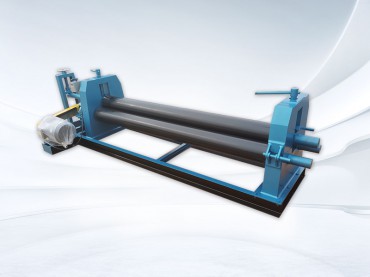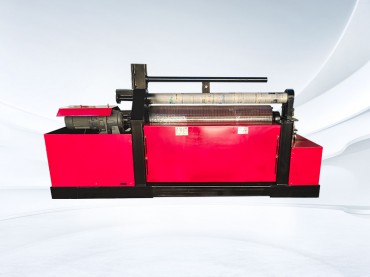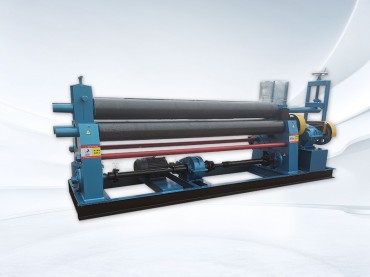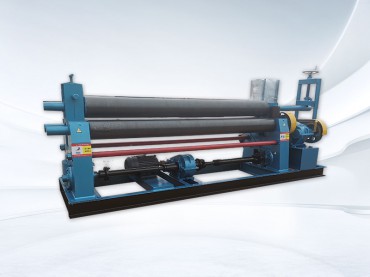
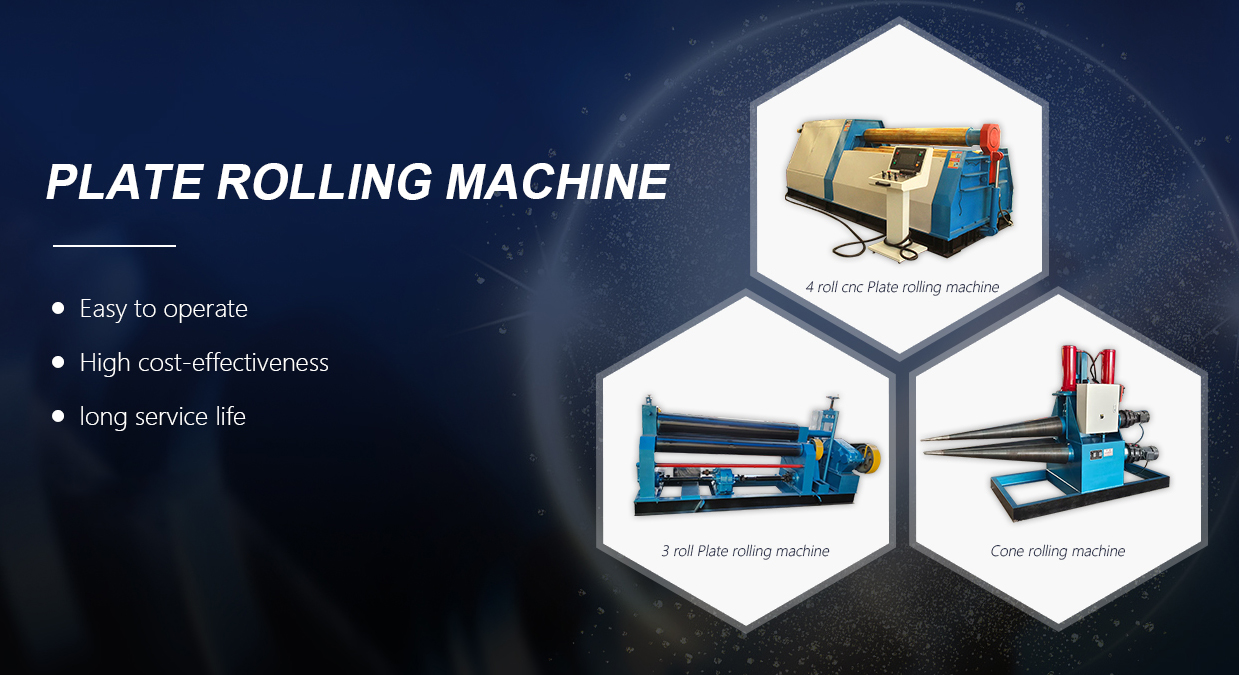
In the modern metalworking industry, plate rolling technology is a crucial method for manufacturing cylindrical, conical, and curved components. Among these, the three-roll plate rolling machine is widely used in pressure vessels, steel structures, machinery manufacturing, chemical equipment, and shipbuilding due to its mature structure, broad applicability, and flexible processing capabilities. The three-roll plate rolling machine process, centered around the equipment itself, not only determines the forming quality of the product but also directly impacts production efficiency and processing costs.
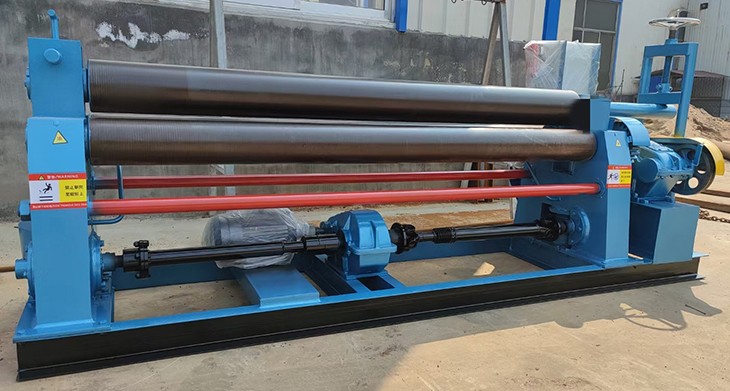
The three-roll plate rolling machine process refers to a comprehensive machining sequence that employs three synchronously rotating rolls to apply continuous, progressive plastic deformation to metal plates. This process gradually bends the plate into circular, curved, or conical workpieces according to predetermined radii or shapes.
The core principle lies in “multiple small deformations, gradual forming.” By repeatedly adjusting roller positions and sheet feed directions, the sheet gradually achieves the target curvature within its elastic-plastic range, yielding dimensionally stable, surface-flat finished products.
Typically, a three-roll plate rolling machine consists of one upper roll and two lower rolls. During processing, the upper roll primarily applies downward pressure while the lower rolls rotate to drive the plate forward. The plate undergoes continuous compression and bending between the three rolls, progressively forming the desired arc.
By adjusting the height and position of the upper or side rolls during operation, the force applied to the plate can be modified to control the forming radius. After multiple passes, the sheet is finally rolled into the desired shape. This forming method effectively avoids cracks or springback issues caused by large single-pass deformation.
In actual production, the three-roll plate rolling machine process typically unfolds according to the following steps:
(1) Plate Preparation and Positioning. Select plates of appropriate thickness, material, and specifications based on the workpiece drawing requirements, and perform dimensional inspection. Subsequently, feed the plate between the rollers of the plate rolling machine, ensuring it is centered and fed smoothly.
(2) Pre-bending Process. By adjusting the rollers, perform preliminary bending on both ends of the plate to reduce the straight edge length, laying the foundation for subsequent forming.
(3) Continuous Rolling Forming. During continuous roller rotation, progressively increase the pressure between rollers. The plate undergoes multiple passes, with the curvature deepening until the designed radius is achieved.
(4) Roundness Correction and Final Forming. Fine-tune roller parameters to correct the formed workpiece's precision, eliminate springback effects, and ensure roundness and dimensions meet technical requirements.
The three-roll plate rolling machine process features stable forming operations and flexible handling. Its continuous, progressive deformation method helps maintain uniform internal structure within the plate, reduces stress concentration, and enhances finished product quality.
Simultaneously, this process exhibits strong material adaptability, processing not only ordinary carbon steel but also stainless steel, aluminum plates, and alloy sheets. Stable processing can be achieved across varying thicknesses and specifications by adjusting process parameters, resulting in extensive application versatility.
The three-roll plate rolling machine features a relatively simple structure with clear mechanical transmission paths, ensuring stable and reliable equipment operation. Long-term practice demonstrates low failure rates and minimal maintenance requirements, making it highly suitable for continuous production and long-term use. This provides enterprises with high reliability and extended service life.
The three-roll plate rolling machine demonstrates strong adaptability to various plate materials and specifications, capable of processing multiple metal materials including carbon steel, stainless steel, and aluminum alloys. By adjusting roller spacing and pressure parameters, it can handle both thin plates and achieve rolling of plates with certain thicknesses, offering high flexibility.
The use of multiple small-deformation forming cycles ensures more uniform stress distribution across the plate, helping maintain internal structural stability and reducing stress concentration. The finished product exhibits excellent surface flatness and high roundness consistency, making it particularly suitable for workpieces with stringent forming quality requirements.
Compared to some high-end CNC rolling equipment, the three-roll plate rolling machine features intuitive operation logic and a relatively low technical barrier, making it easy to master. Additionally, its procurement and maintenance costs are manageable, making it suitable for small and medium-sized processing enterprises and diverse production needs.
Through various process adjustments, three-roll plate rolling machines can process not only standard cylinders but also achieve bending requirements with different radii. Under certain conditions, they can also complete the rolling of simple conical workpieces, offering broad process applicability.
Overall, the three-roll plate rolling machine process represents a mature forming technology centered on continuous plastic deformation, balancing precision and efficiency. Through scientific process flows and stable forming methods, it provides a reliable solution for metal sheet processing. As manufacturing demands for forming accuracy and production efficiency continue to rise, the three-roll plate rolling machine process will persist in playing a vital role within the metalworking industry.
 Address:Room 1202, Detaitang Building, No. 118 Huaguang Road, Zhangdian District, Zibo, Shandong
 WhatsApp:+8615653328535
 Wechat: +8615965331535
  E-mail:zs@sdsmachinery.com