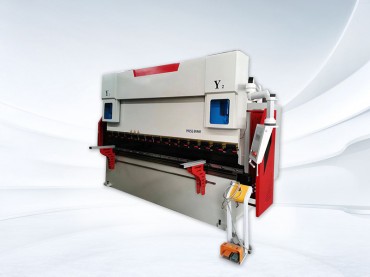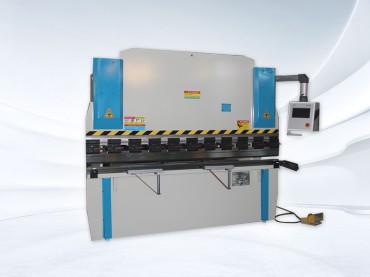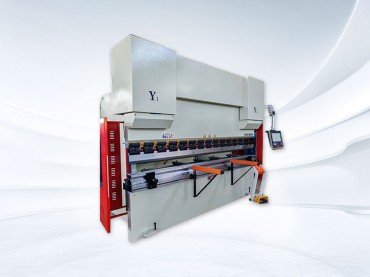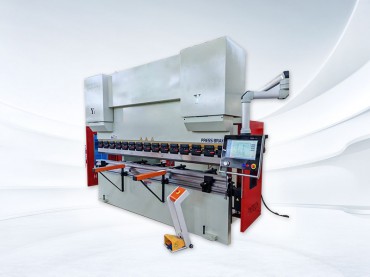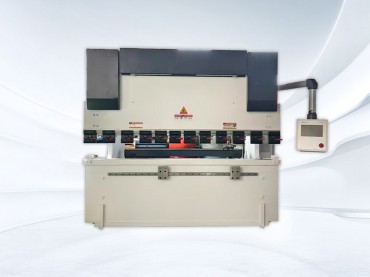
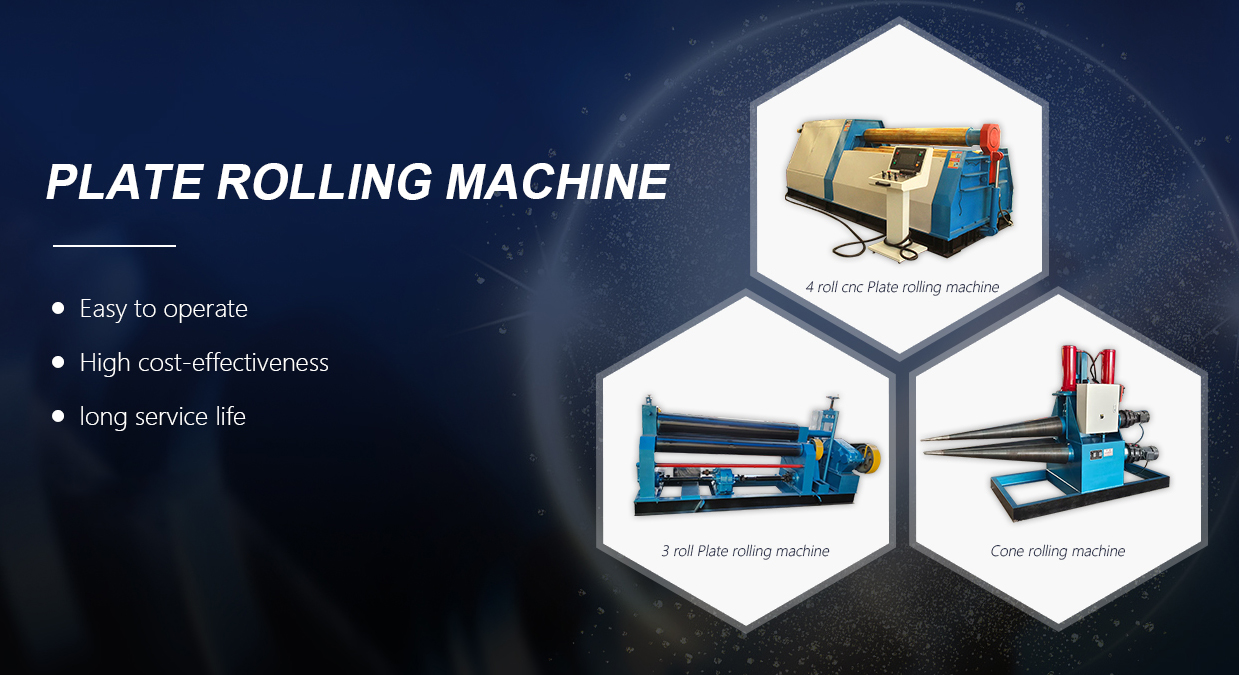
A CNC press brake is a sheet metal forming machine that employs a numerical control system to precisely regulate the bending process. It drives the ram's movement via a hydraulic or electric servo system, performing straight bending and forming operations on sheet metal through the coordinated action of upper and lower dies. Compared to conventional press brakes, CNC press brakes eliminate reliance on manual experience for adjusting stroke and angle. Instead, they achieve high-precision, highly repeatable automated bending operations by programmatically setting bending angle, stroke, speed, pressure, and multi-axis linkage parameters. This equipment represents the current direction of development in bending technology.
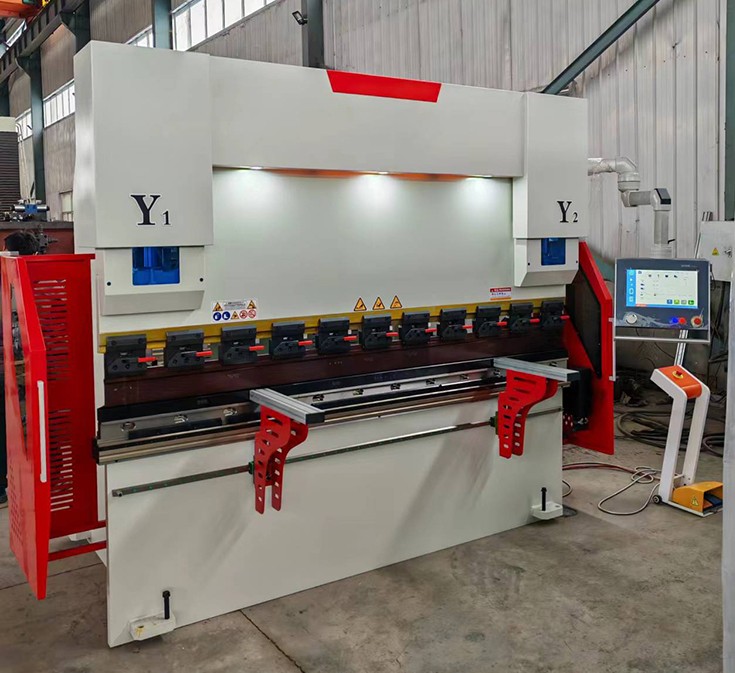
CNC press brakes primarily consist of the machine tool, CNC system, transmission system, and control system. The machine tool is the primary component for workpiece processing. The CNC system handles programming and controls machine movement and bending angles. The transmission system executes mechanical motion, while the control system monitors and adjusts the machine.
The CNC press brake process flow includes steps such as workpiece placement, clamping, adjustment, and processing. The specific flow is as follows:
(1) Place the workpiece on the machine tool and clamp it securely.
(2) Program the bending angles and sequence using a computer based on the workpiece's shape and dimensions.
(3) The CNC system transmits the programmed data to the transmission system, directing the machine's movements and bending actions.
(4) Remove the processed workpiece from the machine upon completion.
Due to their high efficiency and precision, CNC press brakes are widely used across various industries, including:
(1) Automotive Manufacturing: Production of vehicle bodies and components requires extensive sheet metal bending.
(2) Construction Industry: Bending is essential for metal structural elements like steel beams and columns.
(3) Home Appliance Industry: Metal casings for refrigerators, washing machines, air conditioners, and similar products require bending.
(4) Electronic Equipment Manufacturing: Precise bending is needed for enclosures and housings.
(5) Metal Furniture: Office desks, chairs, storage cabinets, and similar items frequently require bending.
(1) Usage Precautions: Users must adhere to CNC press brake operating procedures and wear required protective gear. Before use, thoroughly inspect power connections and check for equipment abnormalities. Prior to bending, ensure all machine components are in proper position and run the machine idle for a period. Strictly follow operating procedures for sheet material feeding during bending operations. Conduct inspections, maintenance, and upkeep after each use.
(2) Maintenance and Care: Regularly clean the press brake using specialized cleaning agents and soft cloths, ensuring adequate ventilation. Apply lubricants to bearings and guide rails to reduce friction and wear. Periodically check the tightness of all connections and make necessary adjustments. Regularly inspect electrical circuits for aging, breaks, and other issues, along with the operational status of the control system.
As a core method in modern sheet metal processing, CNC press brake technology evolves in tandem with manufacturing upgrades. By integrating digital control with precision mechanics, it significantly enhances automation, precision, and flexibility in processing. Understanding its fundamental principles, advantages, and applications holds significant importance for professionals in related fields and those interested in manufacturing development. As technology continues to evolve, future CNC press brake will become smarter and more efficient, continuing to provide robust process support for manufacturing advancement.
If you are interested in CNC press brakes, please contact us. We will recommend suitable machines and provide quotations.
 Address:Room 1202, Detaitang Building, No. 118 Huaguang Road, Zhangdian District, Zibo, Shandong
 WhatsApp:+8615653328535
 Wechat: +8615965331535
  E-mail:zs@sdsmachinery.com