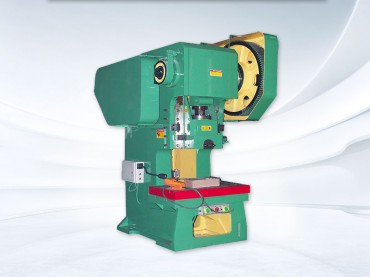
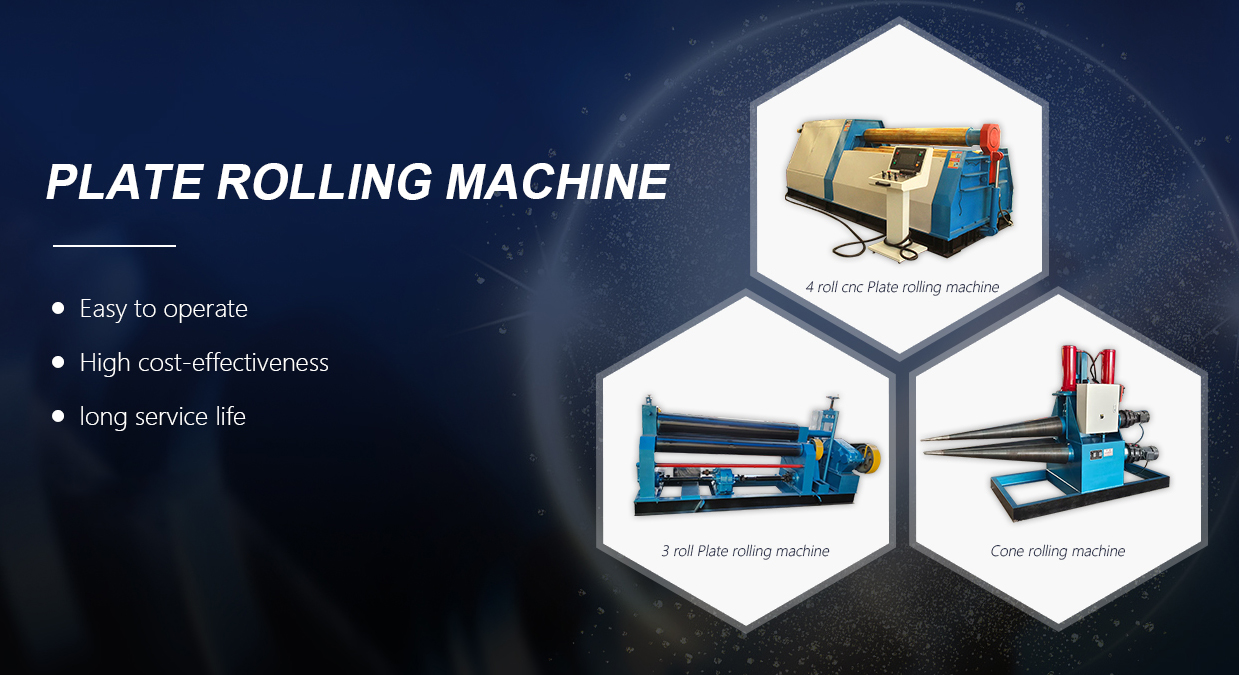
In modern manufacturing, mechanical presses serve as vital processing equipment widely utilized across various industries, particularly in metal fabrication. By applying mechanical force through dies to workpieces, these presses perform a series of operations including punching, shearing, and forming. Their efficiency, precision, and stability make them core equipment on numerous production lines. This article provides a detailed overview of mechanical presses, covering fundamental concepts, operating principles, primary functions, application domains, and future development trends.
A mechanical power press is a machine that utilizes mechanical power to coordinate tools (punches) with dies, performing high-pressure stamping operations on materials. It is extensively used for forming, punching, shearing, and bending metal sheets, suitable for processing various metallic materials. Particularly in high-volume component production, mechanical presses are indispensable due to their high efficiency and precision.
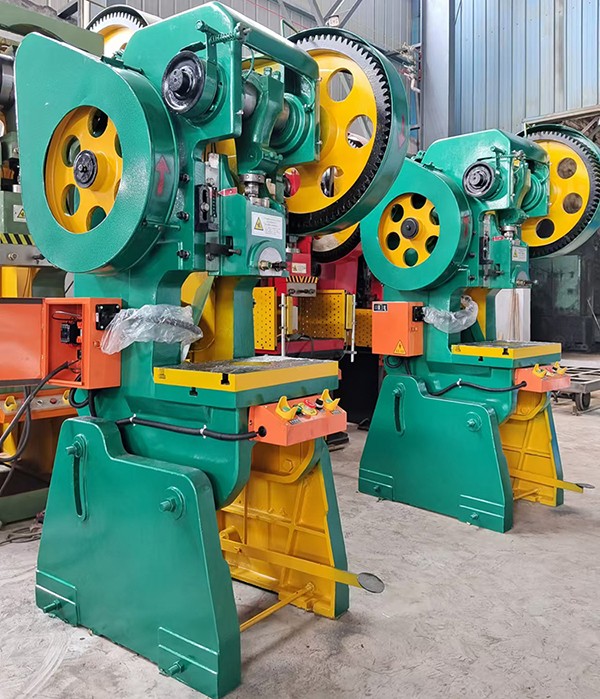
During operation, the ram moves vertically within the machine frame, driving the punch to contact the die. By setting parameters such as pressure, stroke, and worktable position, the press executes predetermined processes with each impact. Precise control of pressure distribution and speed during stamping is critical, directly impacting workpiece accuracy, quality, and production efficiency.
Mechanical power presses deliver exceptional machining accuracy, particularly in operations like punching holes, shearing, and forming metal sheets. They ensure precise dimensional tolerances and shape accuracy for workpieces.
Mechanical power presses operate at rapid speeds, enabling high-speed stamping. This significantly boosts production efficiency for mass manufacturing, saving both time and costs.
Mechanical power presses feature rational structural design and stable operation, enabling prolonged high-intensity work. They are well-suited for large-scale production and continuous operation.
Mechanical power presses can accommodate various die types to perform diverse processing techniques—including punching, cutting, bending, and forming—meeting diverse production requirements.
Mechanical power presses are extensively used across multiple sectors including metal fabrication, electronics, automotive manufacturing, and home appliances, covering nearly all industries requiring stamping operations.
Automotive component production relies heavily on mechanical presses. The stamping and forming processes for body frames, doors, hoods, chassis, bumpers, and other parts depend on mechanical presses. They enable precise hole punching, shearing, and forming of components.
Metal enclosures, brackets, conductive parts, and other components extensively used in electronic products are typically processed in large volumes via mechanical presses. Punch presses not only efficiently perform hole punching but also execute complex forming processes, making them indispensable equipment in production.
The production of outer casing components for home appliances like air conditioners, refrigerators, and televisions typically employs mechanical punch presses for stamping. They meet the high demands for dimensional accuracy and production efficiency required by these components.
For stamping and forming various metal materials, mechanical presses provide high-precision, high-efficiency processing solutions. Whether punching and forming thin sheet metal or shearing and bending thick plate metal, mechanical presses handle these tasks with ease.
Metal components for certain medical devices, such as surgical blades and medical device frames, also require high-precision processing via mechanical presses to ensure quality and functional requirements.
Modern mechanical presses are advancing toward intelligence and automation. By integrating advanced control systems, artificial intelligence technologies, and industrial internet capabilities, these presses not only enhance processing precision but also enable automated operations, intelligent adjustments, and remote monitoring, significantly boosting production efficiency.
To meet the demands of modern mass production, mechanical presses will further increase stamping speed and efficiency. Particularly in processing high-strength, high-hardness metal materials, improvements to power systems and transmission mechanisms will boost stamping efficiency while reducing production costs.
Under pressure to reduce environmental impact and energy consumption, mechanical press design will increasingly prioritize energy efficiency. By adopting high-efficiency motors and optimized workflows, these presses will not only boost productivity but also effectively reduce energy consumption, minimizing environmental impact during manufacturing.
Future mechanical presses will transcend traditional stamping processes, with multi-functional integration becoming a key development direction. Presses may incorporate multiple techniques such as laser cutting, stamping, forming, and welding, delivering more flexible and efficient solutions.
As highly efficient and precise metalworking equipment, mechanical power presses have played a crucial role across multiple industries. With technological advancements, they are evolving toward intelligent, high-speed, and multifunctional capabilities, poised to occupy an increasingly vital position in industrial automation and smart manufacturing. For manufacturers, selecting a high-performance mechanical press not only boosts production efficiency but also ensures product quality, reduces production costs, and enhances the company's market competitiveness.
 Address:Room 1202, Detaitang Building, No. 118 Huaguang Road, Zhangdian District, Zibo, Shandong
 WhatsApp:+8615653328535
 Wechat: +8615965331535
  E-mail:zs@sdsmachinery.com