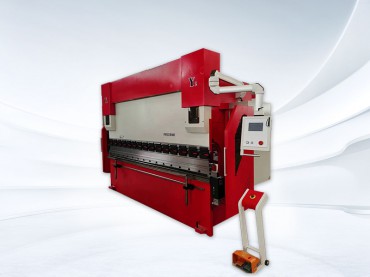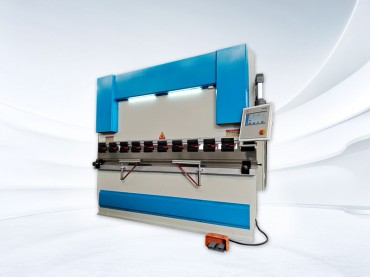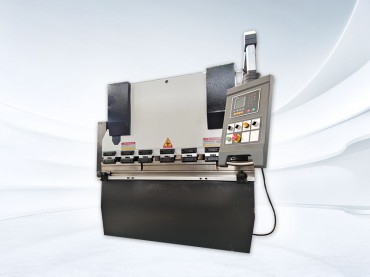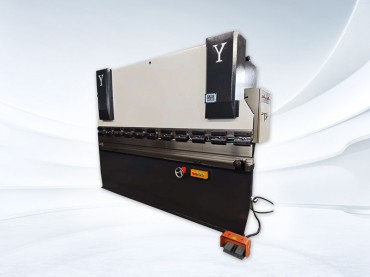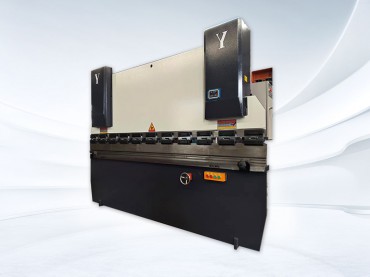
In the modern metal manufacturing sector, bending machines serve as critical metal forming equipment, widely applied across industries such as mechanical processing, architectural decoration, automotive manufacturing, aerospace, electrical cabinets, and kitchen equipment. With the advancement of industrial automation and smart manufacturing, bending machine types have continuously evolved—from traditional mechanical bending machines to high-precision CNC bending machines. Each type possesses unique structural characteristics and application value.
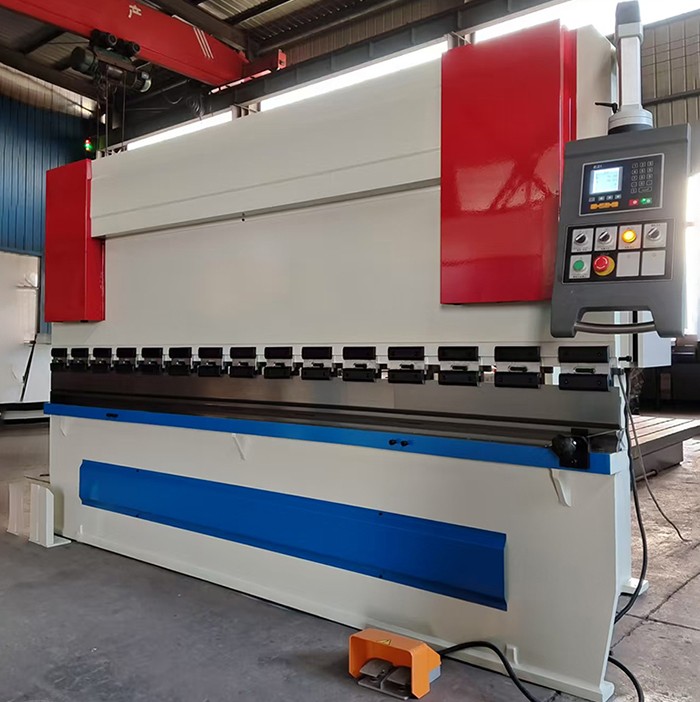
A bending machine is equipment that applies pressure to sheet metal, metal strips, or profiles to induce plastic deformation into predetermined angles or shapes. Its fundamental function involves forming metal sheets through the coordinated action of upper and lower dies, enabling the production of various structures such as angled folds, U-shapes, box sections, and channel sections.
Bending machines accommodate a broad range of materials, including stainless steel, carbon steel, aluminum, copper, galvanized steel, and titanium alloys. Primary applications encompass: manufacturing metal structural components; processing enclosures and electrical housings; forming architectural curtain walls and decorative panels; fabricating automotive body parts and sheet metal components; precision bending for aerospace components; and producing appliance casings.
Owing to their high forming precision, repeatable positioning accuracy, and efficiency, bending machines have become indispensable core equipment in the sheet metal processing industry.
Based on their operating principles, bending machines are categorized as follows:
Mechanical bending machines operate on the lever principle, adjusting bending angles by modifying frame, ram, and lower beam components. Their simple structure and cost-effectiveness make them widely used in small-to-medium-sized manufacturing sectors such as tableware, furniture, aerospace, and appliances.
Hydraulic bending machines operate using hydraulic cylinder principles, delivering high working force and precision. They are suitable for processing medium-to-large steel components, dump trucks, light mining cars, and various steel or special-shaped workpieces. Their compact structure, low energy consumption, and high forming accuracy make them widely adopted.
CNC bending machines employ program control and electric drive systems, offering high precision and efficiency with automated operation and production capabilities. They are suitable for manufacturing and processing complex-shaped plates or non-standard tubes.
The bending machine workflow primarily consists of the following steps:
Before bending sheet metal or tubing, it must be cut, joined, and processed to achieve the desired shape. During cutting and joining, relevant tools and equipment such as cutting machines, welding equipment, and machining centers are required.
Secure the sheet metal or tubing to be processed onto the bending machine's worktable to ensure stability and accuracy.
Based on the required bend shape and material being processed, select suitable dies and adjust them as needed.
Following the set parameters, activate the workbench and apply force from the upper and lower dies via the bending machine's control system to bend the sheet or tube.
After processing is complete, remove the bent sheet or tube from the workbench and perform subsequent post-processing tasks.
Different bending machine types suit distinct application domains. For instance:
- Mechanical bending machines are suitable for small-scale manufacturing, medical equipment, and daily consumer goods sectors.
- Hydraulic bending machines are applicable in manufacturing industries, construction, and dump truck production.
- CNC bending machines serve high-precision, demanding fields such as automotive manufacturing, aerospace, and rail transportation.
In summary, as a vital metalworking machine tool, bending machines continue to expand their application scope and significance. Understanding the distinct types of bending machines and their specific use cases enables enhanced production efficiency and quality.
 Address:Room 1202, Detaitang Building, No. 118 Huaguang Road, Zhangdian District, Zibo, Shandong
 WhatsApp:+8615653328535
 Wechat: +8615965331535
  E-mail:zs@sdsmachinery.com