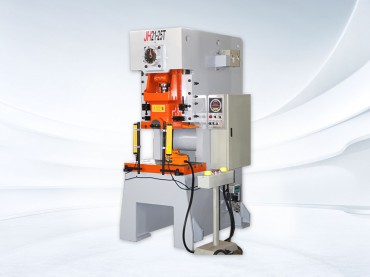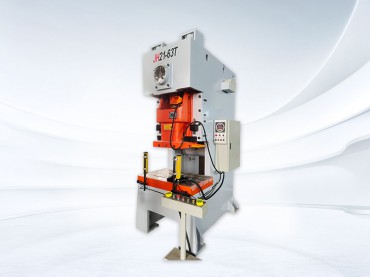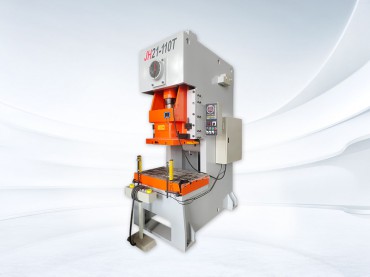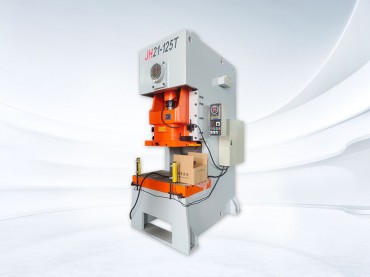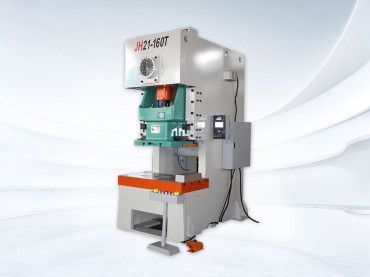
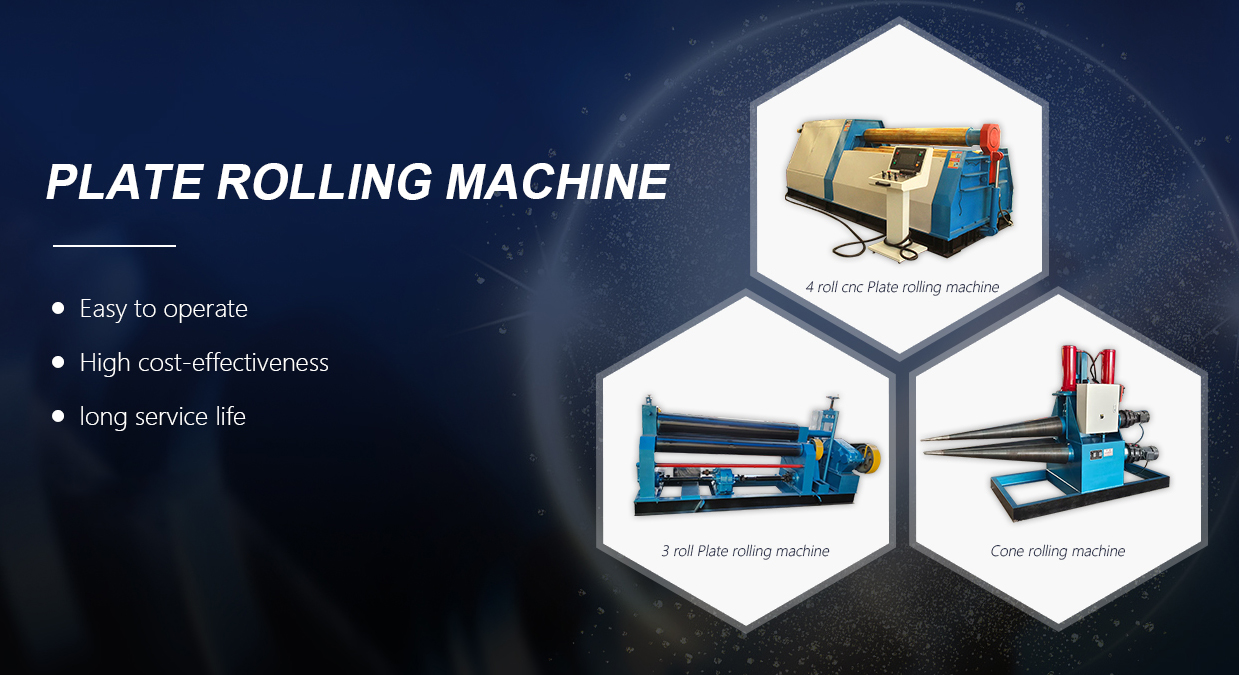
A punch press is a metalworking machine primarily used to process sheet metal into various shaped workpieces, such as sheet metal components, parts, and metal enclosures. Its function involves performing stamping operations on sheet metal, inducing plastic deformation to form diverse shapes. Compared to traditional machining methods, punch presses offer advantages including high efficiency, low cost, and high precision, making them widely adopted across various manufacturing sectors.
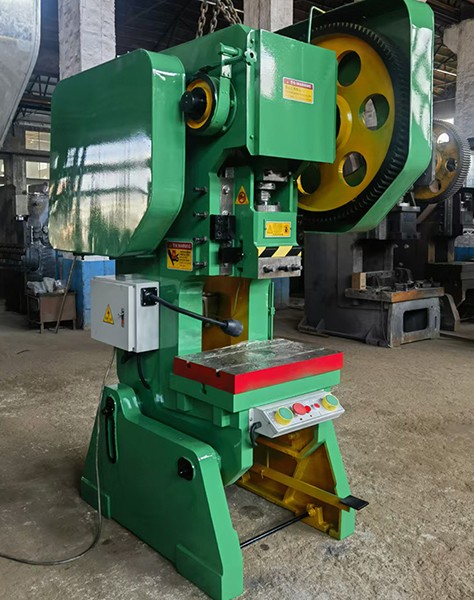
The core principle involves applying pressure to metal sheets through stamping dies. A punch press comprises the machine body, transmission system, program control system, and stamping dies. After feeding the metal sheet into the punch press, it automatically processes the material based on commands from the program control system. During processing, the stamping dies apply pressure to the metal sheet, causing plastic deformation while forming it into various shapes according to the die specifications. Punch presses operate at high speeds, typically performing hundreds of operations per minute, making them exceptionally efficient for mass production scenarios.
Punch presses are categorized into various types based on their structural and functional characteristics, finding extensive application in industrial manufacturing. Examples include:
- Mechanical punch presses: Featuring simple structures and slower processing speeds, they offer low manufacturing costs and are widely used in small and medium-sized enterprises.
- Hydraulic punch presses: Deliver high pressure and excellent stability, suitable for large-scale production.
- Servo punch presses: Offer high precision and production efficiency, ideal for applications demanding superior product quality.
Due to their high efficiency, precision, and automation capabilities, presses are extensively utilized across various industrial manufacturing sectors. The most common applications include:
- Automotive Industry: punch presses manufacture vehicle bodies and components.
- Electronics Industry: punch presses produce enclosures for electronic products.
- Home Appliance Industry: punch presses create various exterior parts for home appliances.
- Building Materials Industry: Stamping presses process diverse construction materials.
When operating stamping presses, strictly adhere to safety protocols to prevent accidents:
(1) Pre-operation inspection: Before starting the press, verify all components function properly—including clutches, brakes, and slides—and ensure molds are correctly installed and secured.
(2) Personal protection: Operators must wear safety gear such as helmets, goggles, and gloves to prevent injury from flying workpieces or molds.
(3) No Hands in the Work Zone: Never place hands or any body parts within the ram's working area while the press is operating to prevent crushing injuries.
(4) Regular Maintenance: Perform routine lubrication, tightening, and adjustments to maintain the press in optimal condition. Key components like clutches and brakes should be frequently inspected for wear.
(5) Emergency stop: The equipment must be equipped with an emergency stop button. Operators should immediately punch press this button upon detecting any abnormalities to cut off the power supply.
In summary, as a highly efficient, precise, and automated mechanical device, the punch press plays an irreplaceable and vital role across various sectors of the manufacturing industry.
 Address:Room 1202, Detaitang Building, No. 118 Huaguang Road, Zhangdian District, Zibo, Shandong
 WhatsApp:+8615653328535
 Wechat: +8615965331535
  E-mail:zs@sdsmachinery.com