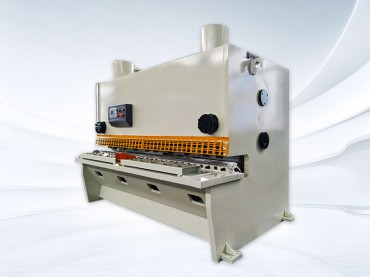
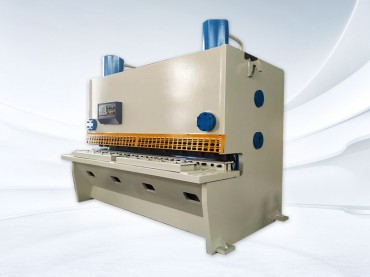
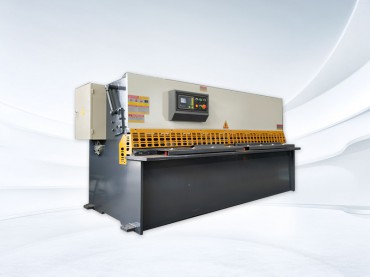
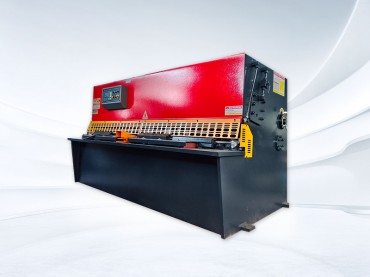
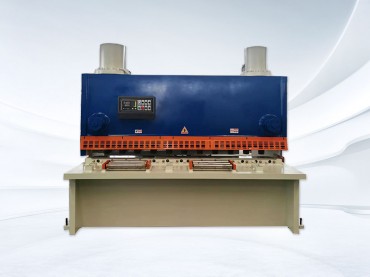
In the field of metal processing, the cutting machine, as the core equipment, has a direct impact on cutting accuracy, efficiency, and equipment lifespan due to its blade performance. This article systematically analyzes the selection points of shearing machine blades from three dimensions: material characteristics, manufacturing processes, and adaptability, providing a scientific selection guide for manufacturing users.
1.Material selection: the core factor determining blade performance
The material of the shearing machine blade needs to balance hardness, toughness, wear resistance, and anti chipping performance. Common materials and characteristics are as follows:
1. Alloy tool steel (such as 9CrSi, Cr12MoV)
-Characteristics: Hardness HRC58-62, excellent toughness, strong impact resistance, suitable for cutting medium and thick plates (4-20mm) as well as low carbon steel, stainless steel and other materials.
-Advantages: High cost-effectiveness, mature heat treatment process, capable of meeting over 80% of conventional cutting needs.
-Limitations: It is prone to softening at high temperatures, and a cooling system is required for continuous cutting.
2. High speed steel (such as W6Mo5Cr4V2)
-Features: Hardness HRC62-65, significant red hardness (high temperature hardness), can maintain cutting performance at high temperatures of 500 ℃.
-Advantages: Suitable for high-speed continuous cutting and hard materials such as high-strength steel and titanium alloys.
-Limitations: The cost is 30% -50% higher than that of alloy tool steel, requiring specialized heat treatment equipment.
3. Hard alloy (such as YG8, YG15)
-Characteristics: Made by sintering WC (tungsten carbide) and Co (cobalt), with a hardness of HRC85-92 and wear resistance 10-20 times that of alloy steel.
-Advantages: The lifespan is 5-8 times that of ordinary blades, suitable for cutting thick plates and high hardness materials (such as quenched steel and wear-resistant plates).
-Limitations: Poor toughness, weak impact resistance, strict control of cutting parameters is required to avoid blade breakage.
4. Powder metallurgy high-speed steel (such as ASP-30, ASP-60)
-Characteristics: Eliminating carbide segregation through powder metallurgy process, with a hardness of HRC67-70 and toughness twice that of traditional high-speed steel.
-Advantages: Suitable for high-precision cutting (tolerance ± 0.05mm) and complex shaped blades (such as wavy blades, trapezoidal blades).
-Limitations: The price is 2-3 times that of ordinary high-speed steel and requires customized processing.
2.Manufacturing process: key link affecting blade accuracy
The manufacturing process of blades directly determines their geometric accuracy, surface quality, and internal organizational uniformity. The core processes include:
1. Forging process
-Function: Eliminate internal defects in metals and improve material density through high-pressure forming.
-Standard: High quality blades require multi-directional forging with a forging ratio of ≥ 5:1 to ensure grain refinement to ASTM 6-8 levels.
2. Heat treatment process
-Quenching: It is necessary to strictly control the temperature (such as quenching temperature of 860-880 ℃ for 9CrSi material) and cooling rate (oil cooling or graded quenching) to avoid deformation and cracking.
-Tempering: Multiple tempering (usually 2-3 times) is used to eliminate quenching stress and improve toughness. The final hardness must meet the material standard (such as HRC58-62 after tempering Cr12MoV).
3. Precision machining technology
-Grinding: Double sided grinding is performed using a CNC grinder, with a flatness of ≤ 0.01mm and parallelism of ≤ 0.005mm.
-Surface treatment: Optional options include titanium plating (to enhance wear resistance), blackening (rust prevention), or laser quenching (to strengthen the cutting edge).
3.Adaptability selection: customized solution based on shearing machine and working conditions
The selection of blades should comprehensively consider the type of shearing machine, cutting materials, and production requirements. The core adaptation principles are as follows:
1. Type adaptation of shearing machine
-Mechanical shearing machine: alloy tool steel blades are preferred as the cutting speed is low (<30 times/minute) and the requirement for red hardness is not high.
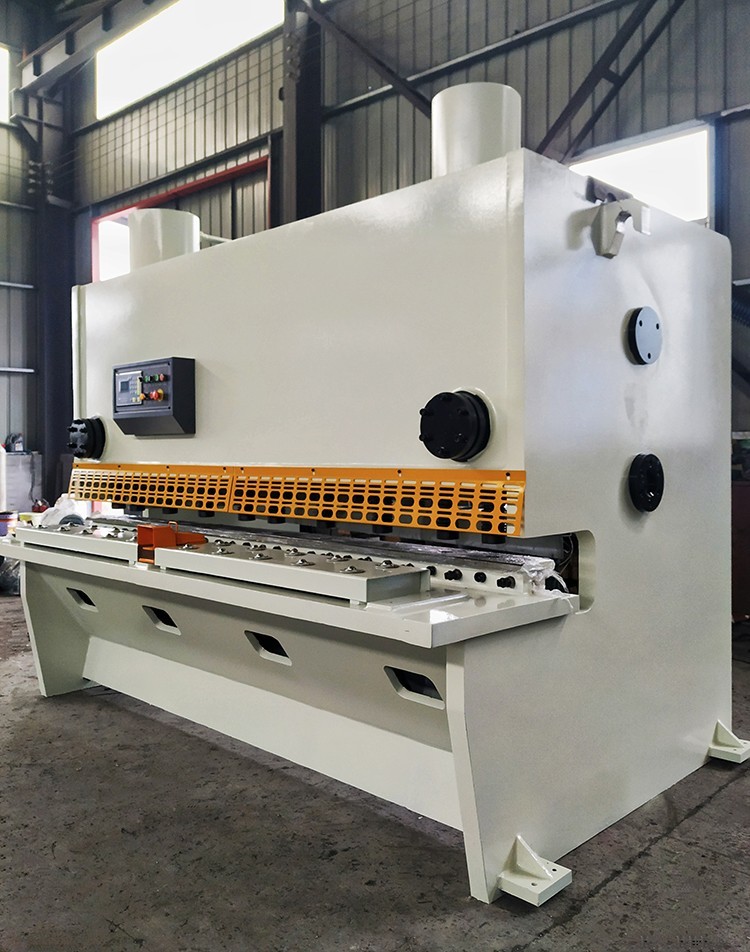
-Hydraulic shearing machine: It needs to be matched with high-speed steel or hard alloy blades to cope with the heat generated by high-speed cutting (>50 times/minute).
-CNC shearing machine: It is recommended to choose powder metallurgy high-speed steel blades, which support high precision (± 0.05mm) and complex cutting paths.
2. Cutting material adaptation
-Low carbon steel/stainless steel: Alloy tool steel or high-speed steel blades can meet the demand.
-High strength steel/wear-resistant plate: Hard alloy blades are required, and the blade angle needs to be increased (such as 15 ° → 20 °) to reduce impact.
-Nonferrous metals (such as copper and aluminum): High speed steel blades are optional, but the cutting speed needs to be reduced to avoid sticking the blades.
3. Production demand adaptation
-Small batch production: Optional universal blades (such as Cr12MoV) are available to reduce inventory costs.
-Mass production: Customized hard alloy or powder metallurgy blades are required to reduce overall costs by extending their lifespan (>5000 hours).
-High precision machining: Powder metallurgy high-speed steel blades need to be selected, and real-time monitoring of blade wear should be carried out in conjunction with laser detection equipment.
The selection of cutting blades for shearing machines is a comprehensive decision based on material, process, and adaptability. Users need to prioritize determining the material (such as hard alloy for thick plate cutting) based on the hardness of the cutting material, equipment type, and production scale, and then improve performance through heat treatment processes (such as graded quenching) and precision machining (such as CNC grinding). Finally, a selection plan should be developed based on cost and lifespan requirements. In the future, with the application of coating technology (such as PVD nano coating) and intelligent monitoring systems (such as blade wear sensors), the blades of shearing machines will develop towards higher efficiency and intelligence, providing key support for the upgrading of the manufacturing industry.

 Address:Room 1202, Detaitang Building, No. 118 Huaguang Road, Zhangdian District, Zibo, Shandong
 WhatsApp:+8615653328535
 Wechat: +8615965331535
  E-mail:zs@sdsmachinery.com