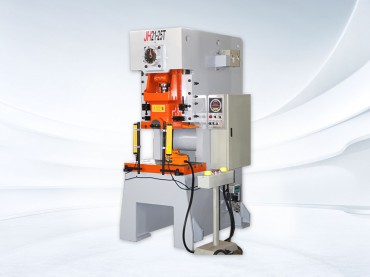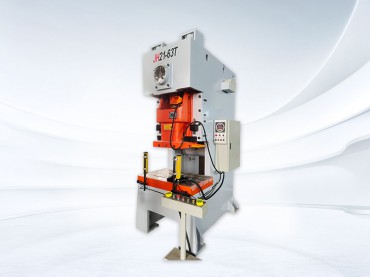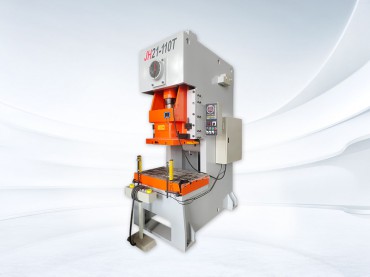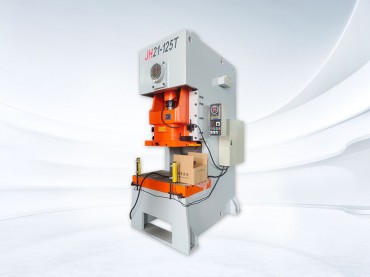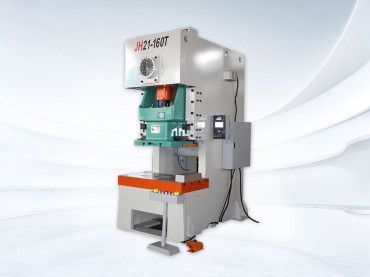
In modern metal processing and manufacturing, the punching machine is a highly versatile and structurally mature fundamental processing equipment. It is widely used in sheet metal forming, part stamping, mold manufacturing, and industries such as automotive, home appliances, and hardware. By applying high pressure between the die and punch, it performs operations like punching, cutting, bending, and stretching on metal sheets, making it an indispensable piece of equipment in industrial automated production.
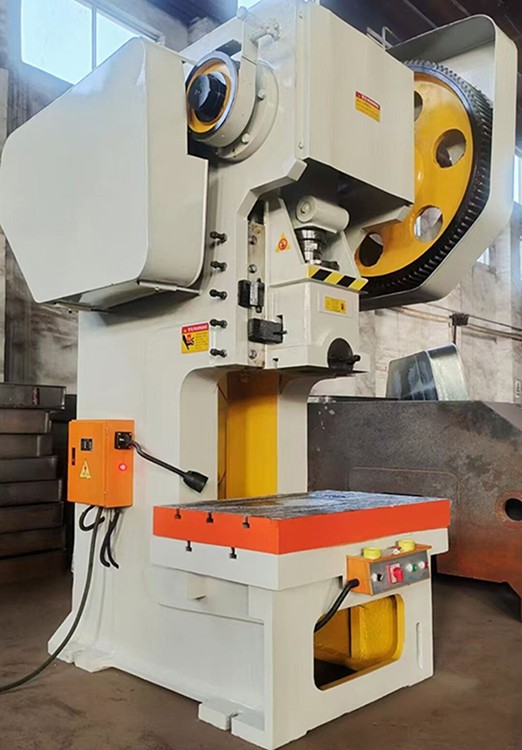
A punching machine, also known as a stamping machine or power press, is a processing device that utilizes mechanical or hydraulic energy to apply pressure to metal materials, causing them to deform or fracture within dies. Its operating principle involves an electric motor driving a flywheel to store energy, which is then instantaneously transferred to the dies via a clutch, transmission mechanism, and slide system. This process enables metal sheets to be punched or formed into predetermined shapes.
Based on energy transmission methods, punching machines can be categorized as follows:
- Mechanical punching machines: Utilizes a crank-slide mechanism for power transmission, offering high speed and precision, suitable for continuous production processes like punching, blanking, and forming.
- Pneumatic punching machines: Driven by compressed air, providing stable stamping speeds, ideal for lightweight metal parts processing and automated production lines.
- Hydraulic punching machines: Employ hydraulic fluid as the power medium, using cylinders to drive the ram downward. They deliver uniform pressure and are suitable for thick plates and deep drawing operations.
In actual production, presses typically operate in conjunction with upper dies, lower dies, feeding devices, and control systems to achieve automated workflows from material supply and stamping to scrap recovery.
A complete punching machine generally comprises the following core elements:
(1) Frame: An integrated structural framework supporting all components while ensuring rigidity and stability. Common configurations include C-frame and H-frame designs.
(2) Ram: The key component executing stamping actions. Connected to the upper die, it performs vertical reciprocating motion via transmission mechanisms.
(3) Work Table: The base mounting the lower die, typically fabricated from high-strength cast iron or welded steel plates to ensure vibration resistance.
(4) Transmission System: Includes motors, belts, flywheels, clutches, brakes, etc., responsible for power transmission to the ram.
(5) Control System: Modern presses are equipped with PLC or servo control systems, enabling precise control, automatic detection, and safety protection.
(6) Lubrication and Cooling System: Ensures smooth operation of moving parts, prevents overheating and wear, and extends machine lifespan.
Through the coordinated operation of these components, presses can perform diverse tasks ranging from high-speed punching to complex drawing and forming.
Punching machines offer highly versatile functionality, capable of performing the following operations based on different dies and process requirements:
(1) Punching and Cutting: Creating holes in metal sheets or cutting out specific-shaped parts using dies.
(2) Bending and Folding: Bending metal sheets at specified angles or forming rolled edges along designated lines for three-dimensional sheet metal structural processing.
(3) Drawing and Forming: Stretching flat metal sheets into cup-shaped, box-shaped, or other three-dimensional forms, widely used in automotive and appliance housing manufacturing.
(4) Riveting and Press-Fitting: Connecting or assembling parts through punching force, suitable for producing electrical enclosures and hardware components.
Due to their high precision, speed, and batch processing capabilities, punching machinees are prevalent across numerous industries:
- Automotive Manufacturing: Body panels, brackets, reinforcement plates, door frames, chassis stampings;
- Home Appliance Industry: Washing machine housings, air conditioner brackets, motor covers, and other metal components;
- Electronics Industry: Electrical terminals, heat sinks, and chassis processing;
- Construction and Hardware: Metal doors/windows, profile parts, decorative panels, and fastener production.
(1) High Production Efficiency: punching machines feature rapid strokes and short cycle times, making them ideal for high-volume production. When integrated with automatic feeding systems, they enable continuous processing.
(2) High Processing Precision: When paired with precision dies, they ensure consistent part dimensions and surface finish.
(3) Superior Cost Control: Compared to CNC milling or laser cutting, stamping achieves large-scale production with lower energy consumption and labor costs.
(4) Wide Applicability: Suitable for processing various metal materials (carbon steel, stainless steel, aluminum alloy, copper, etc.).
(5) Simple Operation and High Safety: Modern presses are equipped with infrared safety grids, emergency stop buttons, protective doors, and other devices to ensure operational safety.
Punching machines generate high impact forces and operate at high speeds, posing safety risks if mishandled. Therefore, safety management and equipment maintenance are critical:
(1) Pre-operation checks: Verify secure die mounting, normal operation of the ram, clutch, and lubrication system.
(2) Safety Protection Devices: Maintain photoelectric guards and emergency stop systems in good working order. Unauthorized removal of protective covers is strictly prohibited.
(3) Regular Maintenance: Clean ram guides and lubrication lines. Inspect bolts for looseness to prevent deformation from impact forces.
(4) Die Maintenance: Periodically grind and adjust die clearances to ensure stamping precision.
(5) Operating Procedures: Strictly adhere to the one-operator-per-machine rule. Never insert both hands into the die area simultaneously.
Punching machines represent one of the most fundamental and iconic forming machines in metalworking. With their high speed, precision, and stability, they provide robust manufacturing support for modern industry. From traditional mechanical presses to intelligent servo-driven models, continuous performance upgrades have advanced modernization in automotive, home appliance, hardware, and other sectors. Looking ahead, as digital control systems further integrate with green manufacturing principles, punching machines will continue to play an irreplaceable role in global production systems.
 Address:Room 1202, Detaitang Building, No. 118 Huaguang Road, Zhangdian District, Zibo, Shandong
 WhatsApp:+8615653328535
 Wechat: +8615965331535
  E-mail:zs@sdsmachinery.com