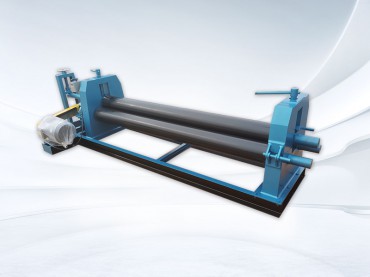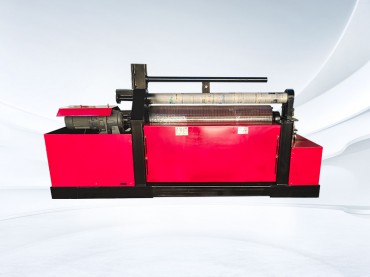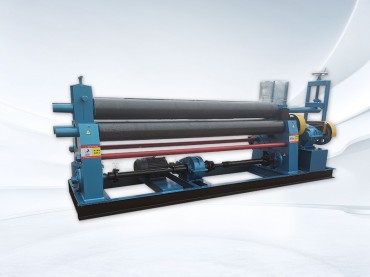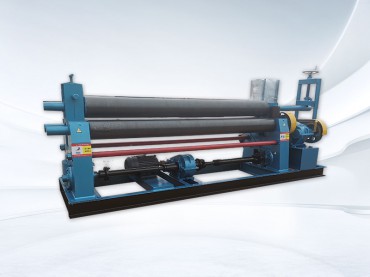
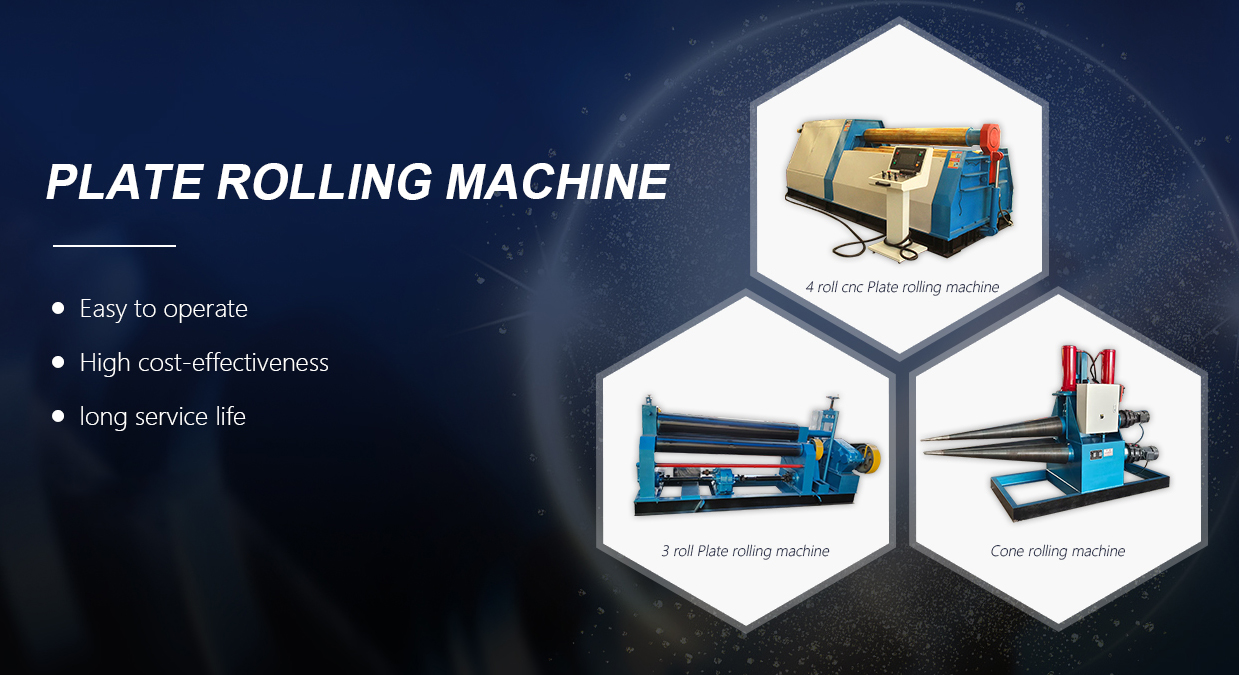
(1) Sheet Feeding: The metal sheet to be rolled is fed into the machine's working area via a feeding mechanism. This mechanism may utilize rollers or conveyor belts to ensure smooth sheet entry.
(2) Guide Roller Clamping: After feeding, the machine clamps the sheet with guide rollers to prevent slippage during rolling.
(3) Main Drive Roll Rotation: Roll forming machines typically consist of a set of drive rolls, one designated as the main drive roll. This roll is powered by an electric motor or hydraulic system, driving the entire operation.
(4) Flexible Plate Rolling Machine: In addition to the main drive roll, the machine incorporates one or more flexible rolls. As the sheet passes through the main drive roll, the flexible rolls make contact and apply pressure. This increases friction during coiling, ensuring the sheet remains stable and does not slip.
(5) Shape Control: Plate rolling machines typically feature adjustable roll shafts. By altering the spacing between these shafts, the shape of the coiled material can be modified. This capability allows for rolling sheets of varying diameters or widths.
(6) Coil Forming: As the main drive roll rotates, the sheet fed through the machine gradually forms into a coil. Coiling speed is controlled by adjusting the main drive roll's rotational speed.
(7) Coil Discharge: Upon completion of coiling, the machine discharges the formed coil via a discharge mechanism. The discharge mechanism typically includes rollers or conveyor belts to facilitate smooth removal of the coiled material from the machine.
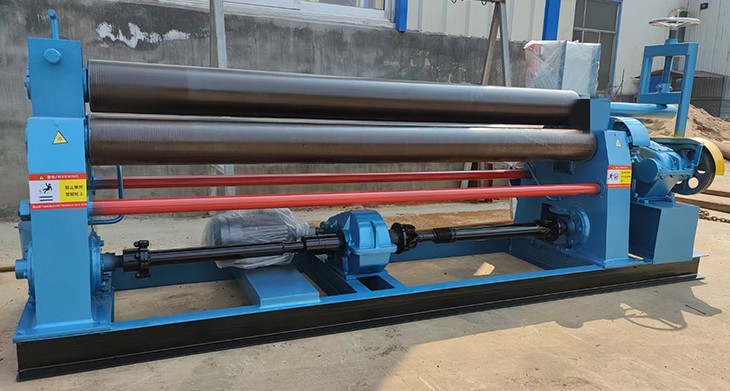
- Inspect equipment lubrication status and ensure no wear on roll shafts.
- Adjust roll spacing according to sheet thickness (e.g., 2-50mm). Excessively narrow spacing may cause uneven sheet deformation.
- Sheet Positioning: Align the sheet with the roller centerline, ensuring deviation is less than 1mm (refer to JB/T 8780-2018 standard).
- Pre-bending: Perform a 15°-20° pre-bending on both ends of the sheet to prevent straight edge retention.
- Full Rolling: Gradually lower the upper roll in stages, with each descent not exceeding 10% of the plate thickness. For example, a single descent for 8mm steel plate should be ≤0.8mm.
- Overloading is strictly prohibited (e.g., a machine rated for 20mm thickness must not process 25mm plates).
- Emergency stop buttons must remain accessible; wear non-slip gloves during operation.
(1) Flexibility: Plate rollers achieve diverse processing effects and requirements by adjusting roller position, pressure, and layout.
(2) Efficiency: High automation enables continuous, rapid bending and curling of plates.
(3) Versatility: Suitable for processing various metal plates including stainless steel, aluminum, and copper.
(4) High Precision: Achieves high-accuracy workpieces through precise control of roller movement and positioning.
In automotive production, plate rolling machines primarily manufacture structural body panels, door panels, hood panels, roof panels, floor panels, etc. By rolling steel plates several millimeters thick into thin sheets using plate rolling machines, storage and transportation challenges are avoided, and production of body components is streamlined.
In oil pipeline manufacturing, plate rolling machines are primarily used to produce structural plates, joint plates, and elbow plates for pipelines. Rolling steel plates into formed components reduces volume, lowers costs, and enhances production efficiency.
In wind turbine blade manufacturing, plate rolling machines are primarily used to produce blade sheet materials. Utilizing these machines for blade sheet production not only maximizes raw material utilization but also boosts production efficiency.
In aerospace manufacturing, plate rolling machines are primarily used to produce structural plates for aircraft. Utilizing plate rolling machines for aerospace structural plates saves production space, boosts efficiency, and ensures more uniform and robust material properties, thereby enhancing flight safety.
If you are interested in plate rolling machines, please contact us. We will recommend suitable equipment and provide a quotation.
 Address:Room 1202, Detaitang Building, No. 118 Huaguang Road, Zhangdian District, Zibo, Shandong
 WhatsApp:+8615653328535
 Wechat: +8615965331535
  E-mail:zs@sdsmachinery.com