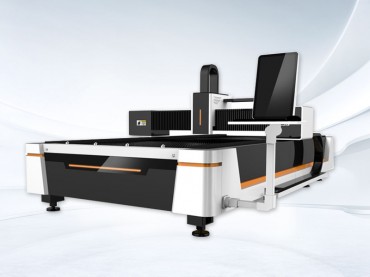
As a key equipment in modern manufacturing,
CNC laser cutting machines rely heavily on the correct use of various auxiliary gases for their efficient and precise cutting capabilities. Gas plays multiple roles in the laser cutting process, from protecting optical components to participating in cutting reactions, each step directly affects the final cutting effect.
This article will systematically analyze the gas requirements of CNC laser cutting machines, covering gas types, purity standards, pressure parameters, and selection strategies, providing you with a complete set of gas application guidelines.
1、 Gas classification and mechanism of action in laser cutting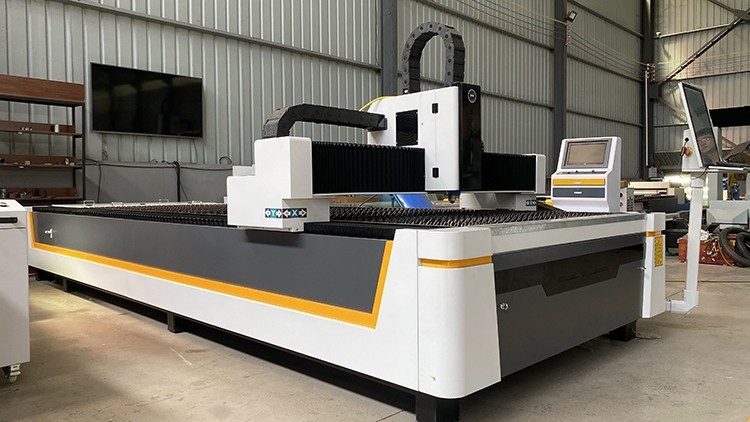
In the field of CNC laser cutting, gases are mainly divided into two categories based on their functions and application scenarios: laser working gases and cutting auxiliary gases. These two types of gases play completely different but equally important roles in the cutting process.
The working gas of the laser is mainly suitable for CO ₂ lasers, which is a mixed gas composed of carbon dioxide (CO ₂), nitrogen (N ₂), and helium (He) in a specific ratio. Among them, carbon dioxide is the medium for generating laser, helium is responsible for cooling the laser, and nitrogen serves as the equilibrium gas.
This type of gas requires extremely high purity, usually reaching a high purity standard of 99.999%, because the moisture, oxygen, and organic gas impurities in the gas can seriously damage the lenses of the laser machine, quickly shortening the service life of the lenses.
Cutting auxiliary gases are gases directly involved in the cutting process, mainly including three basic types: oxygen, nitrogen, and air. They play multiple key roles in the cutting process:
1. Blow off slag: High pressure gas quickly blows the molten material in the cutting area away from the incision, avoiding slag hanging and ensuring a smooth incision.
2. Auxiliary thermal reaction: Active gases such as oxygen will undergo exothermic oxidation reactions with metals, supplementing cutting energy and improving the cutting speed of CNC laser cutting machines.
3. Lens protection and cooling: When gas flows through the cutting head, it can take away heat to prevent damage to the focusing lens due to high temperatures, while blowing away splashes to keep the lens clean.
4. Protecting cutting materials: For materials such as stainless steel, nitrogen can create an environment that isolates oxygen, preventing oxidation of the cutting edge.
2、 Characteristics and applicable scenarios of different auxiliary gases
1. Oxygen (O ₂)
Oxygen, as an active auxiliary gas, is mainly used for cutting carbon steel. It will undergo oxidation reaction with metal and release a large amount of heat during the cutting process, which can significantly improve the cutting speed and is particularly suitable for thick plate processing.
When using oxygen cutting, the laser power requirement can be reduced by 10% -20%, and the cutting speed can be increased by 20% -30%, which has significant efficiency advantages compared to nitrogen cutting. However, the disadvantage of oxygen cutting is that it will form an oxide layer at the cutting edge, and the incision usually appears black, so it is not suitable for application scenarios that require high appearance of the cutting surface.
2. Nitrogen (N ₂)
Nitrogen is an inert protective gas mainly used for cutting materials such as stainless steel and aluminum alloys. Its main function is to prevent material oxidation and ensure that the cutting surface of the CNC laser cutting machine is smooth and free of burrs.
Unlike oxygen, nitrogen cutting does not generate additional thermal reactions, therefore requiring higher laser power (15% -30% higher than oxygen) and relatively lower cutting speed (15% -25% slower than oxygen). The quality of nitrogen cutting largely depends on its purity, usually requiring a purity of over 99.9%. For industries with high precision requirements such as aerospace and medical devices, even ultra-high purity of 99.999% is required.
3. Air
Compressed air is an economical and practical choice, mainly composed of about 21% oxygen and 78% nitrogen. It is mainly suitable for cutting non-metallic materials and thin sheet metals, as well as scenarios with low requirements for cutting quality.
The advantage of air cutting with CNC laser cutting machine is its low cost and no need for additional gas supply equipment. However, due to the presence of oxygen in the air, slight oxidation still occurs when cutting carbon steel, and the quality of the cut is between oxygen and nitrogen, with edges often appearing as cash yellow edges. The power demand for air cutting is between oxygen and nitrogen, about 5% -10% higher than oxygen.
3、 The influence of gas purity and pressure on cutting quality
1. The core role of gas purity
Gas purity is one of the key factors determining cutting quality. Insufficient purity can lead to a series of cutting defects:
Oxidation problem: When the purity of nitrogen is insufficient, oxygen impurities can cause oxidation, discoloration, or burrs on the cutting surface of the CNC laser cutting machine.
Equipment wear and tear: Low purity gases may contaminate optical lenses and even cause burns to laser head nozzles.
Unstable cutting: Impurity gases can interfere with thermal conduction during the cutting process, resulting in uneven cutting lines.
The requirements for gas purity vary in different cutting scenarios. Thin plate materials (<6mm) have relatively low purity requirements, with 99.99% purity usually meeting the demand; Medium thick plates (6-20mm) and ultra thick plates (>20mm) require higher purity gases, especially in high-precision industries where purity is required to reach 99.999%.
2. Precise control of gas pressure
Gas pressure is another crucial parameter that directly affects cutting efficiency and quality. The pressure setting needs to be precisely adjusted according to the material type and thickness:
Thin plate (<3mm): suitable for low pressure (0.4-0.8MPa), excessive pressure will interfere with laser focusing.
Thick plate (≥ 3mm): High pressure (0.8-1.5MPa) is required to ensure sufficient blowing of slag.
Insufficient pressure can lead to incomplete slag removal, requiring a reduction in cutting speed and an increase in power to compensate; If the pressure is too high, it will blow away the laser energy, resulting in a decrease in cutting ability, and it is necessary to increase the power to compensate for the energy loss.
To ensure stable cutting quality, the gas source needs to be equipped with a stabilizing device, and pressure fluctuations should be controlled within ± 0.1MPa.
4、 Gas selection and economic analysis
1. Material matching strategy
Different materials need to be matched with different gas types to achieve the best cutting effect:
Carbon steel: Oxygen is preferred, and the cutting efficiency is improved by utilizing the exothermic reaction of oxidation.
Stainless steel: It is recommended to use nitrogen gas to prevent oxidation and maintain the original silver color.
Aluminum alloy: Nitrogen gas is required to prevent aluminum oxidation and the formation of high melting point Al ₂ O3.
Copper material: Suitable for nitrogen or air, but special attention should be paid to protecting optical components due to the high reflectivity of the material.
2. Cost benefit balance
Gas selection is not only related to quality, but also directly affects production costs:
Nitrogen has the highest cost, especially when cutting stainless steel, with an hourly cost of up to 100 yuan (taking 1mm stainless steel as an example).
The cost of oxygen is moderate, about 15 yuan per hour (taking 1mm carbon steel as an example).
The air cost is the lowest, only considering the electricity cost of the air compressor, which is about 5 yuan per hour.
For production scenarios that pursue economic benefits, such as ordinary parts with low requirements for cutting surfaces, air or low purity gases can be considered for use; For high value-added products, such as consumer electronics products with strict appearance requirements, high-purity gases should be invested to ensure quality.
To balance cost and quality, many companies choose to install on-site nitrogen generators and independently produce nitrogen through PSA (pressure swing adsorption) technology, which can significantly reduce gas procurement costs in the long run.
The selection of gas for CNC laser cutting machines is a precise science that requires comprehensive consideration of material characteristics, thickness range, quality requirements, and cost factors. Proper gas ratio and parameter settings can not only improve cutting efficiency, but also significantly reduce production costs, which is an important aspect of optimizing modern laser cutting processes.
With the continuous development of laser technology, precise control of gas applications has become one of the key technologies to enhance the competitiveness of enterprises. Mastering the knowledge of these gas requirements will help you fully unleash the performance potential of CNC laser cutting machines and find the optimal balance between high-quality production and cost control.

 Address:Room 1202, Detaitang Building, No. 118 Huaguang Road, Zhangdian District, Zibo, Shandong
 WhatsApp:+8615653328535
 Wechat: +8615965331535
  E-mail:zs@sdsmachinery.com