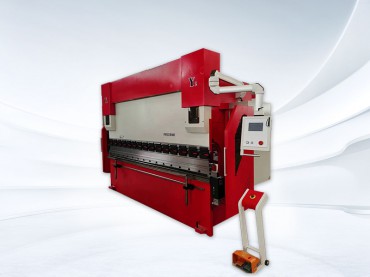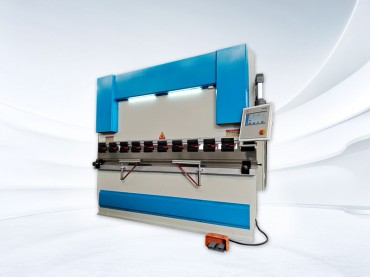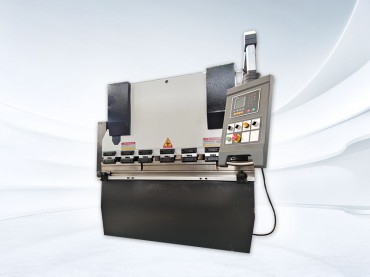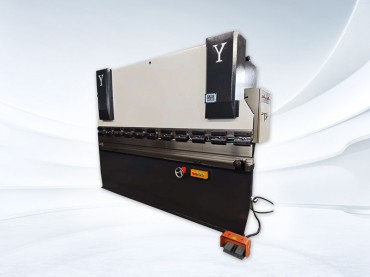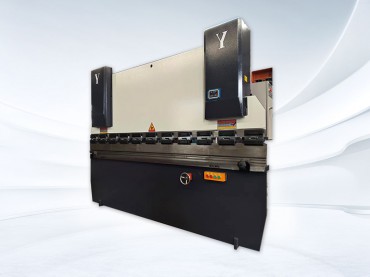
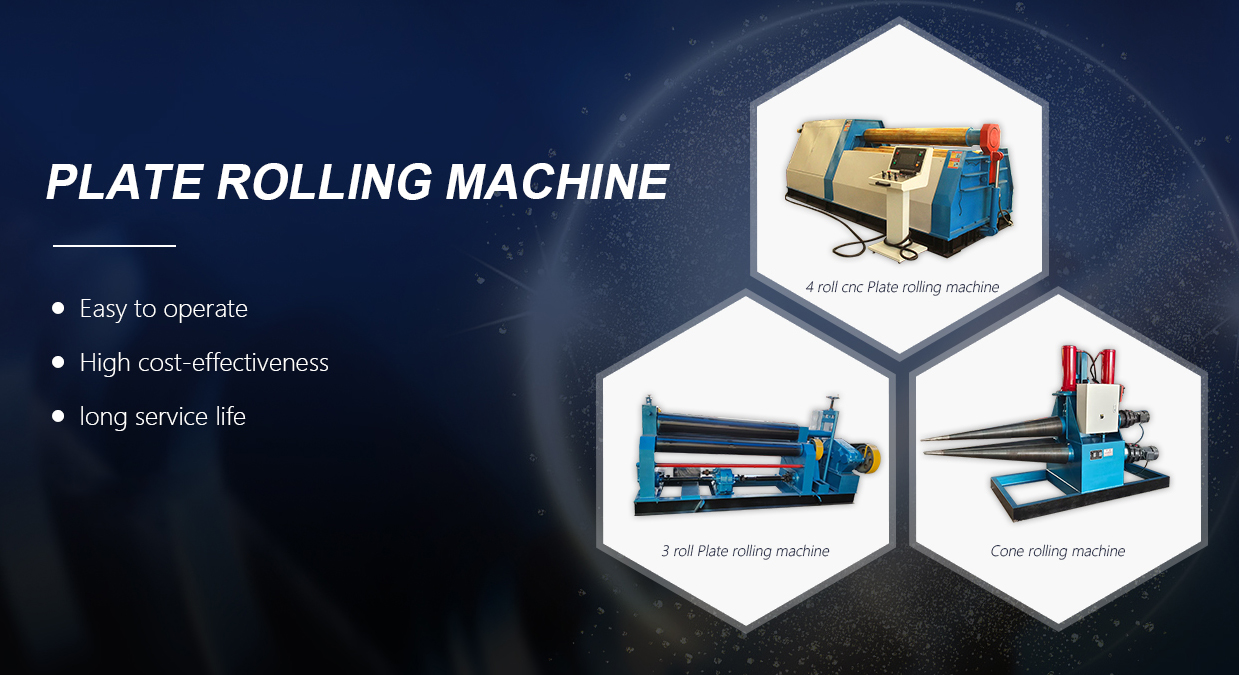
With the continuous advancement of modern manufacturing, CNC bending machines have become indispensable tools across various industries as high-precision, high-efficiency metal processing equipment. Their primary function is to bend and form metal sheets, making them suitable for processing diverse metal materials, particularly thicker metal plates. CNC bending machines not only enhance production efficiency but also ensure processing accuracy, leading to their widespread adoption in multiple sectors.
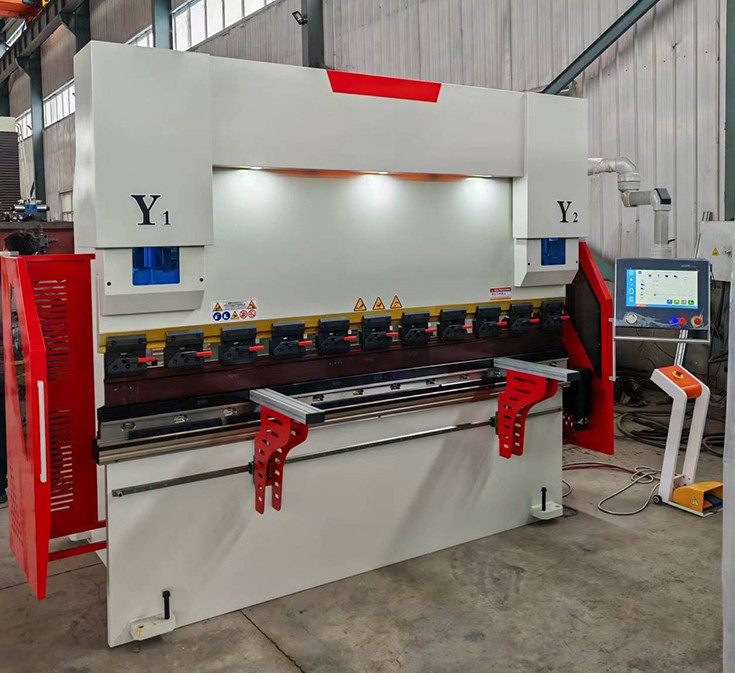
The automotive industry demands exceptionally high precision in machining, making CNC bending machines crucial in vehicle production. Automotive components such as body frames, door panels, chassis, and engine parts typically require extensive bending, folding, and forming operations. CNC bending machines enable precise bending and cutting of diverse metals including steel plates, stainless steel, and aluminum alloys. Utilizing CNC technology, these machines automatically adjust bending angles and positions based on CAD/CAM design drawings, significantly boosting production efficiency while reducing human error rates.
- Application Scenarios: Automotive body structural components; chassis and door processing; automotive parts (e.g., frames, brackets)
In the construction sector, CNC bending machines are commonly used for fabricating metal framework structures, such as steel structures and aluminum alloy curtain walls. Metal components like building facades, window frames, and door frames typically require precise bending to ensure accurate installation fit. CNC bending machines enable efficient processing of large metal components, ensuring structural stability and safety. Additionally, evolving architectural decoration designs increasingly demand bending for ornamental metal materials like engraved panels, railings, and stair handrails.
- Application Scenarios: Steel structural frames; metal curtain walls and door/window frames; decorative metal panels (e.g., railings, handrails, curtain wall accents)
The aerospace sector demands components with exceptional machining precision and strength, making CNC bending machines indispensable. In manufacturing high-end products like aircraft and spacecraft, numerous metal parts undergo precise bending processes. Examples include aircraft wings, fuselages, and engine components, all requiring CNC bending machines for accurate forming. These components are typically crafted from lightweight alloys like aluminum or titanium. CNC bending machines enable precise control over each bending angle, ensuring perfect component alignment.
- Application Scenarios: Aircraft fuselage and wing structures; spacecraft components; high-strength metal frames
The production of various appliance housings and frames in the home appliance sector also relies heavily on CNC bending machines. Whether for refrigerators, washing machines, televisions, or air conditioners, the processing of outer casings and internal supports requires precise bending. With high aesthetic standards in this sector, CNC bending machines ensure product appearance and structural quality through exact control of bending angles and shapes.
- Application Scenarios: Refrigerator and washing machine casings; appliance frames and brackets; television casings and metal components
CNC bending machines are also extensively used in the electronics and electrical equipment sector. Electrical devices typically require numerous metal enclosures, frames, and brackets, which often need bending to meet specific design specifications. Examples include distribution boxes, cabinets, and air conditioner outdoor unit brackets, all of which can be precision-processed using CNC bending machines. Through CNC technology, these machines achieve complex shape bending, enhancing processing efficiency while ensuring component quality.
- Application Scenarios: Electrical equipment enclosures; distribution boxes, cabinets; electrical equipment brackets and frames
Components in shipbuilding and offshore engineering must withstand complex stresses and environmental factors, making high-precision and high-strength metal processing critical. CNC bending machines are used in shipbuilding to process components such as hull steel structures, decks, and support frameworks. Since these parts endure marine corrosion, corrosion-resistant materials like stainless steel and alloy steel are frequently employed. CNC bending machines enable precise bending of these metals.
- Application Scenarios: Hull steel structures; ship decks and frames; offshore platform support frameworks
In the heavy machinery and equipment manufacturing sector, CNC bending machines are extensively used to process various large-scale metal components. These metal parts are typically employed in the production of heavy equipment such as mining machinery, cranes, and transportation systems. Given that such equipment must withstand immense loads, extremely high standards are required for both the strength of the metal materials and the precision of their machining. CNC bending machines can precisely execute these complex bending tasks, ensuring the quality and stability of mechanical components.
- Application Scenarios: Mining machinery; cranes and transport equipment; heavy equipment frames and support structures
Beyond the aforementioned sectors, CNC bending machines find extensive use in specialized fields. Examples include metal supports in the paper industry, pipeline supports in oil and gas operations, and metal structures in environmental protection equipment—all reliant on CNC bending processing. As automation technology advances, the application scope of CNC bending machines will continue to expand.
With their high precision, efficiency, and flexibility, CNC bending machines have become indispensable equipment across diverse industries. Their application significantly enhances product machining accuracy, reduces production costs, and boosts manufacturing efficiency. As technology advances, CNC bending machines will continue to play a vital role in industrial manufacturing, driving industries toward smarter and more precision-oriented development.
 Address:Room 1202, Detaitang Building, No. 118 Huaguang Road, Zhangdian District, Zibo, Shandong
 WhatsApp:+8615653328535
 Wechat: +8615965331535
  E-mail:zs@sdsmachinery.com