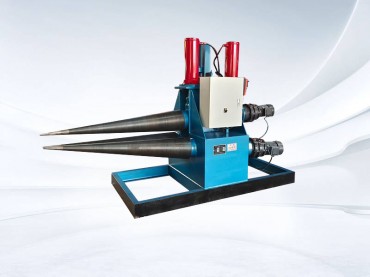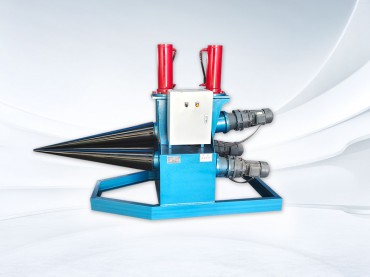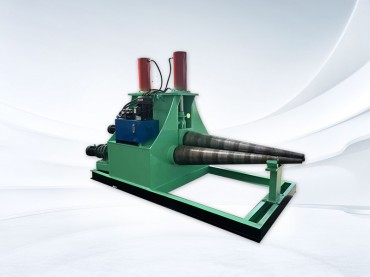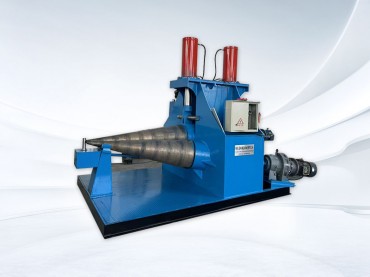
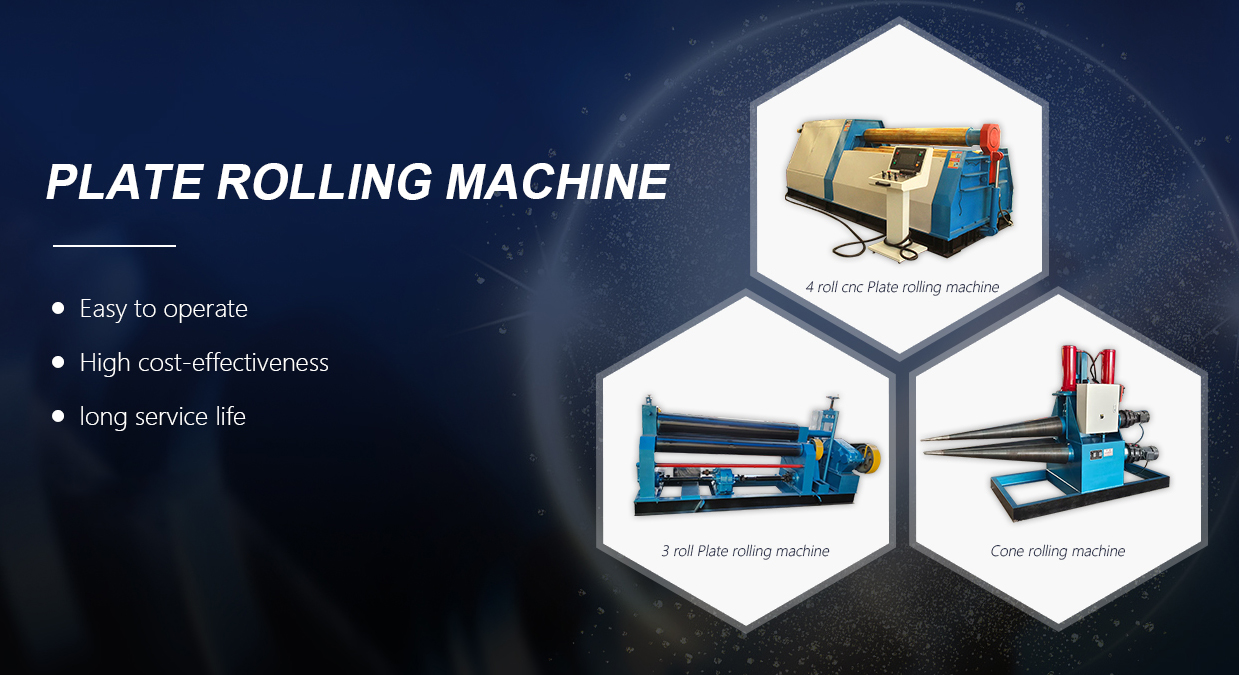
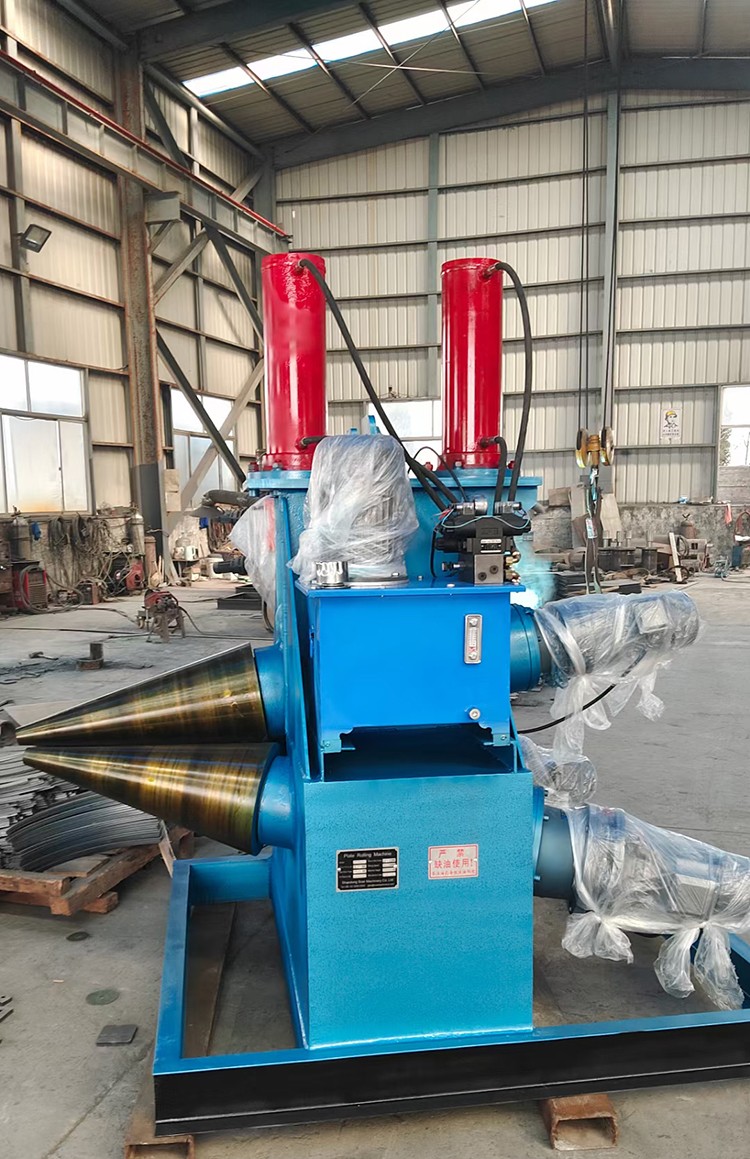
Hydraulic cone rolling machines primarily consist of three components: the hydraulic system, the rolling mechanism, and the control system. The hydraulic system drives rollers via cylinders to apply uniform pressure to the sheet metal, causing it to bend along a predetermined trajectory. The rolling mechanism typically employs a three- or four-roller configuration, controlling the taper angle by adjusting roller spacing and alignment. The control system regulates pressure, speed, and forming curves. Compared to mechanical cone rollers, the hydraulic system delivers smoother force output, minimizing the risk of surface scratches on the plate.
- Rapidly forms steel plates into conical shapes, significantly boosting production efficiency. Compared to traditional manual rolling methods, cone rolling machines complete more tasks in less time.
- For enterprises engaged in batch production of conical components, cone rolling machines are essential equipment for enhancing productivity.
- Precise mechanical structures and control systems achieve high rolling accuracy. Rolled conical parts exhibit accurate dimensions, with roundness and straightness meeting specifications.
- This is vital for industries demanding high precision in conical components, such as pressure vessel manufacturing and mechanical processing.
- Cone rolling machines process steel plates of varying thicknesses and materials. Whether thin or thick plates, ordinary steel or special alloy materials, processing can be performed on suitable cone rolling machines.
- This capability meets the needs of diverse industries and application scenarios.
- Modern cone rolling machines typically feature advanced control systems, ensuring simple and convenient operation. Operators can master equipment handling after basic training.
- Some models incorporate automation features, enabling automatic rolling and parameter adjustment, further enhancing operational convenience.
- By precisely controlling rolling dimensions, cone rolling machines minimize material waste. Compared to manual rolling, they optimize steel plate utilization and reduce production costs.
(1) Automotive Industry: Cone rolling machines are extensively used in automotive manufacturing. The production process requires numerous conical components, such as exhaust pipes and mufflers. The fabrication of these parts relies heavily on the precise machining capabilities of cone rolling machines.
(2) Aerospace: The aerospace sector demands exceptionally high material standards. Cone rolling machines produce high-precision, high-quality conical components that meet the manufacturing requirements for aerospace vehicles.
(3) Petrochemical Industry: In the petrochemical sector, cone rolling machines are frequently used to process conical components for various pipelines and containers. These components play a critical role in the storage and transportation of petroleum and chemical products.
(4) Other Fields: Additionally, cone rolling machines are extensively applied in industries such as power generation, shipbuilding, and construction, providing high-quality conical products and components for these sectors.
To ensure the long-term stable operation of hydraulic cone rollers, regular maintenance and care are essential. Below are some basic maintenance recommendations:
- Regularly check the hydraulic oil level and quality, promptly replacing contaminated hydraulic oil.
- Clean the rollers and frame to prevent metal debris or dust accumulation from affecting equipment performance.
- Inspect hydraulic lines and seals to ensure no leaks.
- Lubricate moving components to reduce wear.
In summary, the hydraulic cone rolling machine is a highly efficient and stable metal processing equipment suitable for diverse industrial applications. Proper operation and regular maintenance extend equipment lifespan and enhance processing quality. When selecting a model, choose one that aligns with actual requirements to ensure production efficiency and cost-effectiveness.
 Address:Room 1202, Detaitang Building, No. 118 Huaguang Road, Zhangdian District, Zibo, Shandong
 WhatsApp:+8615653328535
 Wechat: +8615965331535
  E-mail:zs@sdsmachinery.com