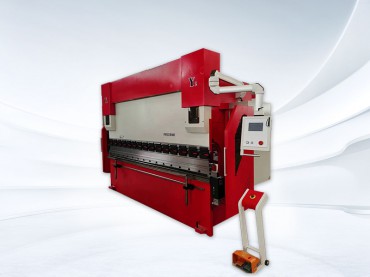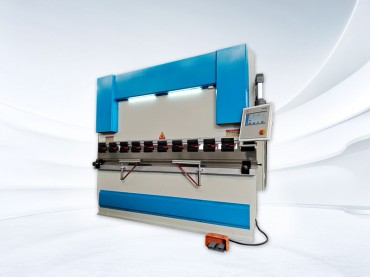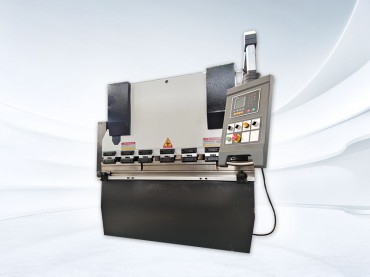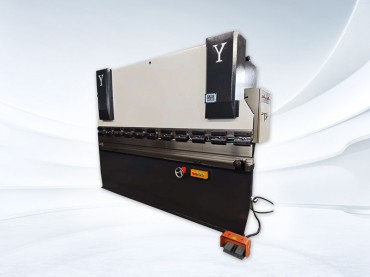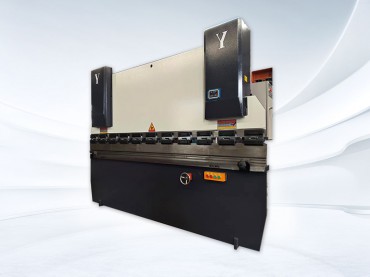
As an indispensable piece of equipment in sheet metal processing, bending machines are widely used across industries such as sheet metal fabrication, machinery manufacturing, automotive, home appliances, and architectural decoration. Their primary function is to apply pressure to induce plastic deformation in metal sheets under the action of dies, thereby achieving bending and forming into various shapes and angles. The variety of bending machines has also expanded significantly, evolving from the earliest mechanical models to hydraulic and servo-electric types. Each type exhibits distinct characteristics in structure, performance, and application scope. This article will provide a detailed overview of the three primary types of bending machines—mechanical bending machines, hydraulic bending machines, and CNC bending machines—from the perspectives of structure and drive mechanisms.
Mechanical bending machines represent an early form of bending equipment. Their operating principle involves an electric motor driving a flywheel, which transmits power through a mechanical transmission system to the ram, thereby achieving sheet metal bending. This type of bending machine features a simple structure and convenient operation, holding significant importance in early metalworking.
Sturdy construction, simple maintenance;
Lower equipment cost, economical and practical;
Intuitive operation, suitable for general sheet metal processing.
Limited processing precision, challenging for complex bends;
Adjustment relies on manual labor, resulting in lower efficiency;
Unsuitable for thick plates or high-precision machining.
Currently, mechanical bending machines are primarily used in small to medium-sized factories or applications with lower precision requirements. With advancements in CNC and hydraulic technology, they are gradually being replaced by higher-performance hydraulic and servo bending machines.
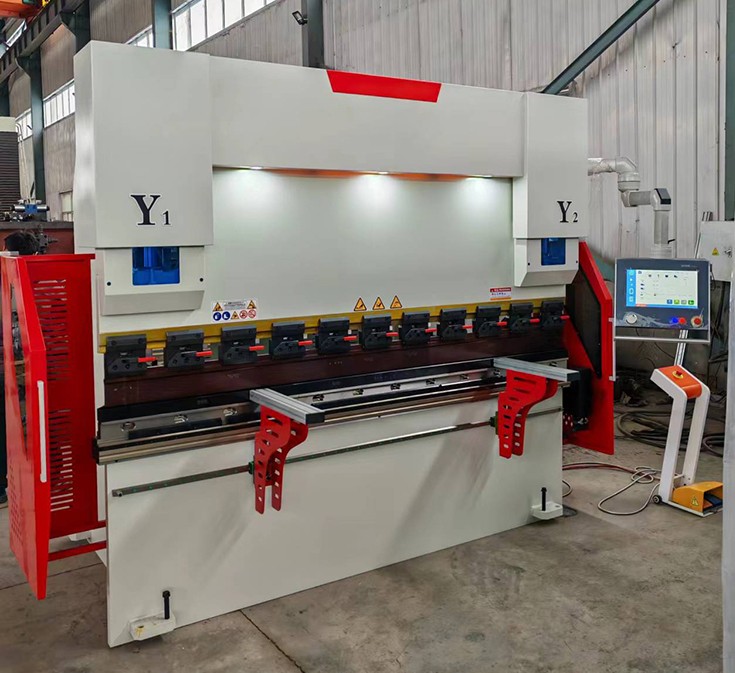
The hydraulic bending machine is currently the most widely used type. It employs pressure generated by hydraulic cylinders to drive the ram, enabling high-precision bending of metal sheets.
Typically composed of a frame, hydraulic system, control system, and dies, this equipment features a compact structure, smooth operation, and substantial bending force, making it the primary machinery in modern sheet metal workshops.
(1) High bending force with broad adaptability. The hydraulic system adjusts pressure based on workpiece thickness, effortlessly bending thick plates or large components.
(2) High precision and stability. The hydraulic transmission system delivers smooth output, ensuring accurate bending angles.
(3) Enhanced safety. Equipped with overload protection and oil temperature control systems to ensure long-term stable operation.
(4) CNC compatibility. Modern hydraulic bending machines often feature CNC control for automated positioning and multi-angle bending programming, significantly boosting production efficiency.
- Applications:
Hydraulic bending machines are widely used in metal doors/windows, construction machinery, appliance casings, automotive sheet metal, and other fields. Combining power and precision, they represent the mainstream choice in today's market.
Servo-electric bending machines represent a new direction in bending equipment technology. These machines replace traditional hydraulic systems with high-precision servo motors, directly driving the transmission mechanism to perform bending operations. This design delivers greater precision, energy efficiency, and environmental friendliness, embodying the future trend of the sheet metal processing industry.
(1) High-precision control. The servo system offers rapid response with positioning accuracy up to ±0.01mm, ensuring exceptional consistency in bending angles.
(2) Energy efficiency and environmental friendliness. Eliminating hydraulic oil systems reduces energy consumption by approximately 30%-50% compared to hydraulic presses while preventing oil contamination issues.
(3) Low noise and minimal maintenance. The CNC system operates smoothly with excellent noise reduction, requiring minimal routine maintenance.
(4) High Intelligence. Capable of integration with robots or automated production lines to achieve unmanned processing and intelligent monitoring.
Servo-electric bending machines are highly suitable for high-end manufacturing sectors such as aerospace, precision sheet metal, and medical equipment—where extreme demands exist for bending accuracy, speed, and consistency.
|
Type |
Drive Method |
Machining Accuracy |
Energy Consumption |
Application |
Features |
|
Mechanical |
Motor + Mechanical Transmission |
Medium |
Medium |
General sheet metal processing |
Simple structure, low cost |
|
Hydraulic |
Hydraulic Cylinder Drive |
High |
Moderate |
Thick plates, large workpieces |
High force, excellent stability |
|
Servo Electric |
Servo Motor Drive |
Extremely High |
Low |
High-precision machining |
Energy-efficient, environmentally friendly, intelligent |
Comparing the three types reveals that while mechanical bending machines offer cost-effectiveness and practicality, they lag behind in precision and efficiency. Hydraulic bending machines dominate the current market, combining robust power with stability. Servo-electric bending machines represent the future direction of bending technology, boasting outstanding advantages in intelligence and energy efficiency.
When choosing a bending machine, users should comprehensively consider factors such as production requirements, sheet thickness, budget, and automation level:
- For small workshops primarily handling lightweight sheets or experimental processing, mechanical bending machines offer cost-effective solutions.
- Hydraulic bending machines are recommended for thick sheet processing, batch production, or applications demanding high angular precision.
- For high-precision, high-efficiency, and intelligent production, investing in servo-electric bending machines is advisable, particularly suited for high-end manufacturing sectors.
As critical equipment in metal fabrication, the continuous advancement in bending machine types and performance reflects manufacturing's shift from traditional mechanization toward intelligent and digital transformation. In the future of sheet metal processing, high precision, low energy consumption, and intelligent operation will define the technological direction for bending machines. Selecting the appropriate bending machine not only enhances production efficiency and product quality but also empowers enterprises to advance steadily in the fiercely competitive manufacturing market.
If you are interested in bending machines, please contact us. We will recommend suitable machines and provide quotations.
 Address:Room 1202, Detaitang Building, No. 118 Huaguang Road, Zhangdian District, Zibo, Shandong
 WhatsApp:+8615653328535
 Wechat: +8615965331535
  E-mail:zs@sdsmachinery.com