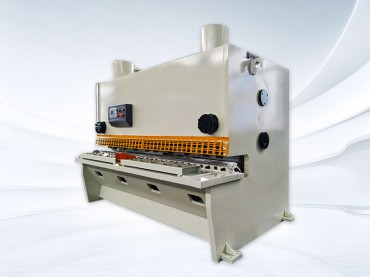
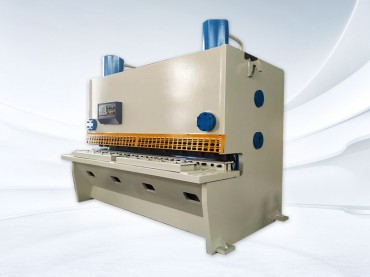
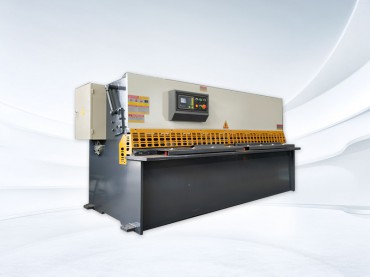
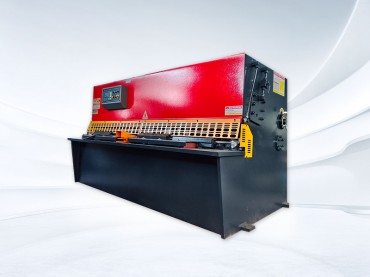
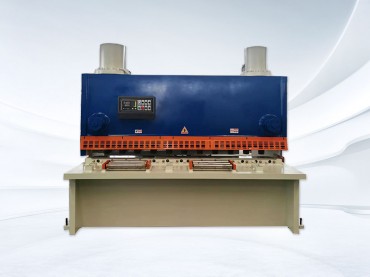
As one of the core equipment in the sheet metal processing industry, the stability and processing accuracy of the shearing machine directly affect product quality and production efficiency. A shearing machine that lacks proper maintenance not only leads to increased burrs and dimensional deviations in the cutting section, but also accelerates component wear and even causes equipment failure, resulting in unnecessary production losses. Therefore, it is crucial to establish a scientific and standardized maintenance system for shearing machines. This article will systematically introduce the daily, regular, and in-depth maintenance methods of the shearing machine.
1. Daily maintenance: the foundation of perseverance
Daily maintenance is the cornerstone of maintaining the good condition of the shearing machine, and operators should perform it before and after each shift.
1. Cleaning work: After each day's work, it is necessary to thoroughly clean the metal debris, oil stains, and dust on the workbench, knife holder, and guide rail of the shearing machine. If these impurities accumulate in the blade gap or guide rail, they will seriously scratch the surface of the workpiece, affecting the blade life and guide rail accuracy. Keeping the shearing machine clean is the first step in maintenance.
2. Lubrication inspection: Before starting the shearing machine, check whether the oil level of each lubrication point (such as guide rail, screw, bearing seat, etc.) is at the normal level. According to the equipment manual, the designated lubricating oil or grease should be added to the parts that require manual lubrication. Good lubrication can significantly reduce the wear of moving parts and ensure smooth operation of the shearing machine.
3. Tightening and inspection: Check the key connection parts, such as bolts and nuts, for looseness, especially the blade fixing bolts. Meanwhile, observe whether there is any leakage in the pipeline joints of the hydraulic system (for hydraulic shearing machines). After starting up, perform no-load operation first, listen for any abnormal noise, and observe whether each action is smooth.
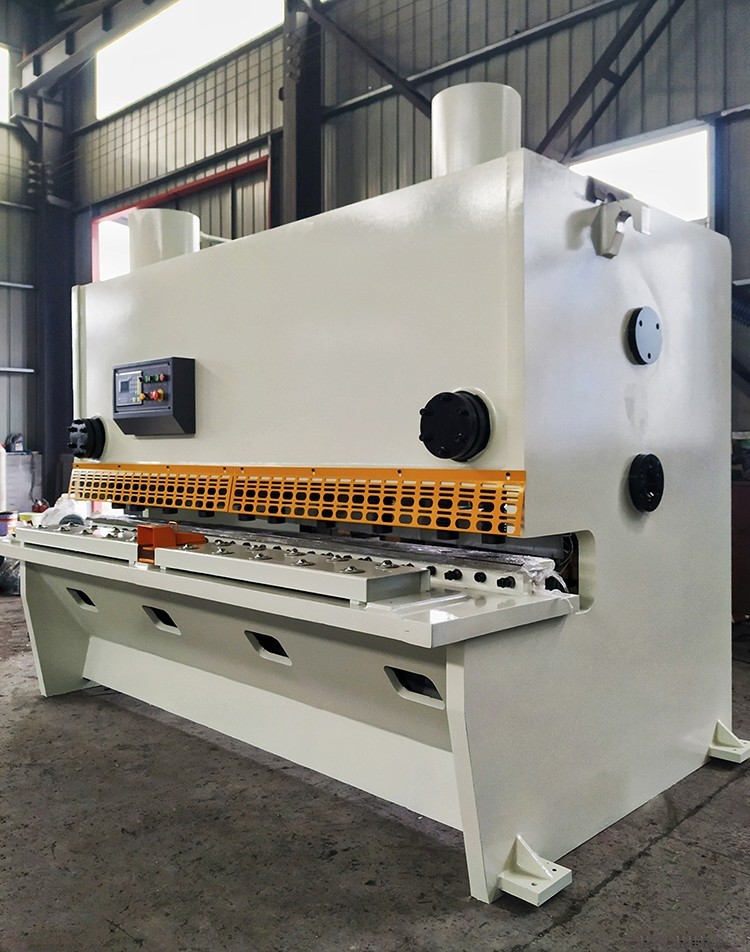
2. Regular maintenance: a preventive plan
Regular maintenance is a planned maintenance based on the working hours or usage cycle of the shearing machine, usually divided into weekly, monthly, quarterly, or annual maintenance.
1. Maintenance and Grinding of Blades: Blades are the "teeth" of shearing machines, and their sharpness directly determines the cutting quality. Regular inspections should be conducted on the blade to ensure that there are no broken edges, curled edges, or excessive wear. When there is a significant increase in burrs on the shear section, it is necessary to perform sharpening. When grinding, it is necessary to ensure that the straightness and blade angle of the blade meet the original factory standards. For shearing machines that use upper and lower blades, attention should be paid to adjusting and maintaining a reasonable blade gap. A gap that is too large or too small can affect the shearing effect and blade life.
2. Hydraulic system maintenance (for hydraulic shearing machines):
Hydraulic oil: Regularly check the oil quality and level of hydraulic oil. If the oil appears cloudy, emulsified, or contains a large amount of metal shavings, it must be replaced in a timely manner. It is usually recommended to replace the hydraulic oil every 2000-3000 hours of operation or annually, and to clean or replace the oil filter element at the same time.
System pressure: Regularly verify and adjust the system pressure to the specified value. Excessive or insufficient pressure can affect shear force and equipment stability.
3. Inspection and adjustment of mechanical components:
Guide rail and clearance: Check the wear of the guide rail and adjust its fit clearance to ensure that the tool holder slides on the guide rail without shaking, ensuring the straightness of the cutting process.
Transmission mechanism: For mechanically driven shearing machines, it is necessary to check the wear and tension of transmission components such as gears and belts.
Clutch and brake: Ensuring their sensitivity and reliability is the key to ensuring operational safety.
3. Deep maintenance and precision calibration
After years of use or high-intensity work, the shearing machine requires deeper maintenance and calibration.
1. Accuracy calibration: After long-term use, the geometric accuracy such as parallelism and perpendicularity of the shearing machine may change. Professional measuring tools (such as level gauges, dial indicators, etc.) should be used to comprehensively inspect and calibrate the levelness of the workbench, the parallelism between the blade and the workbench, and the verticality of the material rack. This is essential for high-precision cutting tasks.
2. Electrical system inspection: Conduct a comprehensive inspection of the electrical control system of the shearing machine, including cleaning the dust inside the electrical cabinet, tightening the wiring terminals, checking whether the contacts of components such as relays and contactors are intact, and ensuring the safety and reliability of the circuit.
3. Comprehensive disassembly inspection: When necessary, the main components of the shearing machine can be disassembled to check the wear condition of internal bearings, shaft sleeves, and other parts. Preventive replacement of parts that have reached their service life can be carried out to avoid sudden failures.
4. Establish maintenance records
It is crucial to establish independent maintenance records for each shearing machine. Record in detail the date, content, replaced parts, and discovered issues of each maintenance. This not only helps managers track the health status of devices, but also provides data support for future repair and maintenance plans, achieving predictive maintenance.
Systematic maintenance and upkeep of the shearing machine is not a trivial matter, but a highly profitable investment. It can not only maintain the cutting accuracy and stability of the shearing machine for a long time, produce high-quality workpieces, but also effectively extend the service life of the whole machine, reduce maintenance costs and downtime risks during long-term operation. Integrating maintenance awareness into daily management and keeping this powerful equipment in optimal combat condition is essential for creating sustained and stable value for the enterprise.

 Address:Room 1202, Detaitang Building, No. 118 Huaguang Road, Zhangdian District, Zibo, Shandong
 WhatsApp:+8615653328535
 Wechat: +8615965331535
  E-mail:zs@sdsmachinery.com