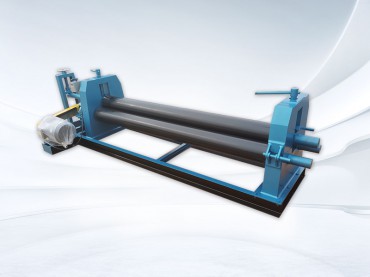
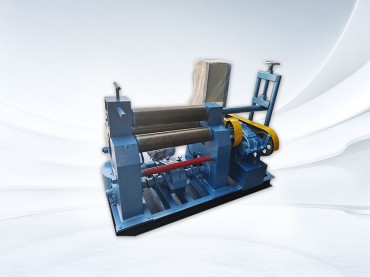
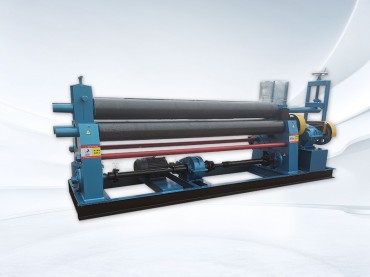
The maintenance cycle of a mechanical rolling machine is not fixed, but has a clear and flexible schedule based on different types of maintenance such as daily, regular, and specialized. Daily maintenance needs to be carried out every shift. Operators should carefully inspect the appearance, connectors, hydraulic system, lubrication system, electrical system, etc. of the equipment before, during, and after work, promptly clean up debris, tighten loose parts, and ensure the normal operation of the equipment. Regular maintenance is carried out on a weekly, monthly, and quarterly basis, such as cleaning hydraulic oil filters and inspecting seals on a weekly basis, removing dust from electrical components and inspecting transmission systems on a monthly basis, verifying pressure gauges and testing roll accuracy on a quarterly basis. Special maintenance is carried out when the equipment has been running for a certain period of time or malfunctions occur, such as performing secondary maintenance after 5700 hours of operation. Strictly implementing these maintenance cycles can effectively reduce failure rates and extend equipment lifespan.
1. The core concept of maintenance cycle: prevention is better than treatment
Before discussing the specific cycle, it is necessary to clarify a core concept: the maintenance essence of the rolling machine is "preventive maintenance", rather than "post repair". Waiting for equipment to produce abnormal noise, decrease accuracy, or suddenly shut down before processing not only causes huge production losses, but also has maintenance costs much higher than daily maintenance. A scientific maintenance cycle aims to nip potential faults in the bud through systematic inspection, adjustment, cleaning, and replacement, ensuring that equipment is always in optimal working condition.
The establishment of maintenance cycles is not fixed and is mainly influenced by the following factors:
1. Workload: The maintenance frequency of equipment running 16 hours a day and 10 hours a week will inevitably be different.
2. Processing materials: Equipment that frequently rolls high-strength alloy steel will have much greater wear on its transmission system and bearings than equipment that rolls ordinary carbon steel.
3. New and old equipment: New equipment is in the running in period and requires more frequent inspections; Old equipment requires closer attention due to fatigue and wear and tear.
4. Working environment: In environments with high dust, humidity, or temperature fluctuations, maintenance cycles should be shortened accordingly.
2、 Hierarchical division of maintenance cycle: precise coordination of day, week, month, and year
Based on the above factors, we can divide the maintenance cycle of the mechanical rolling machine into four levels, forming a complete system from shallow to deep and from frequency to sparsity.
Level 1: Daily Maintenance (per shift/per day)
This is the most fundamental, frequent, and easily overlooked aspect of maintaining the system. The purpose is to maintain basic cleanliness of the equipment and detect the earliest signs of abnormalities through the operator's senses.
Cycle: Before, during, and after each shift.
Core content:
Cleaning and wiping: Before and after work, use a cotton cloth or soft brush to clean the metal debris, oil stains, and dust on the surface of the roller shaft, machine body, and sliding guide rail. Maintaining a smooth roller surface is a prerequisite for ensuring the surface quality of the workpiece.
Lubrication point inspection: Before work, check whether there is sufficient lubricating oil on visible lubrication points such as guide rail surfaces, screw rods, and light bars. For manual refueling points, an appropriate amount of lubricating oil should be dripped as required.
Tightening inspection: Use a tactile feel or simple tools to check for obvious looseness in key parts such as the blocking mechanism and bearing seat fixing bolts.
Abnormal noise and condition monitoring: During idle operation, carefully listen for any abnormal impact, friction, or harsh noise from the gearbox, reducer, or motor.
Hydraulic system inspection: Check whether the oil level in the hydraulic oil tank is within the calibration range, and whether there are visible leaks in the pipelines and joints.
Safety device verification: Test whether the emergency stop button and safety protection cover interlock device are sensitive and effective.
Level 2: Weekly/Monthly Maintenance (Regular Inspection and Adjustment)
This level of maintenance needs to be carried out by equipment operators or dedicated maintenance workers, with a focus on inspecting and making initial adjustments to the performance of key components.
2. Cycle: Once a week or every 200-300 hours of operation.
Core content:
Comprehensive lubrication: Mandatory lubrication is applied to all lubrication points to ensure that the grease can squeeze out old oil and impurities. Check if the centralized lubrication system is working properly.
Transmission system inspection: Check the meshing of gears, worm gears, and worm gears, and observe whether there are early signs of wear such as pitting and peeling on the tooth surface.
Bearing temperature rise monitoring: After continuous operation of the equipment for a period of time, the temperature of the main transmission bearings and roller bearings is measured by touching or using a temperature gauge. Abnormal high temperatures are often a signal of poor lubrication or improper installation.
Preliminary accuracy verification: Use standard test bars or templates to easily inspect the roundness or straightness of the coil, and determine whether the roller shaft has deviated or worn.
Electrical system inspection: Check whether the wiring terminals of the main motor and control cabinet are loose, and clean the dust on the electrical components.
Level 3: Quarterly/Semi Annual Maintenance (Systematic Maintenance)
This is the key to ensuring the stable operation of the equipment in the medium term, and requires more in-depth inspection, adjustment, and component replacement.
Cycle: Every quarter or after running for 1000-1500 hours.
Core content:
Hydraulic system maintenance: Take a sample of hydraulic oil and observe its color and viscosity. If emulsification, turbidity, or excessive impurities are found, filtration or replacement should be carried out. Simultaneously clean or replace the oil suction and return filter elements.
Detailed inspection of the transmission system: Open the observation hole of the gearbox and carefully check the wear of the gears. Check the alignment of the coupling and the wear of the elastic body.
Bearing clearance inspection: Check the axial and radial clearance of the main bearings. If it exceeds the allowable range, adjustment or pre tightening is required.
Brake and clutch inspection: Check the wear of the friction plates, adjust the clearance, and ensure reliable braking and engagement.
Electrical system fastening and cleaning: Fully fasten all electrical wiring terminals and use dry compressed air to clean the dust inside the control cabinet.
Level 4: Annual maintenance (major repairs and comprehensive calibration)
This is the highest level of maintaining the system, equivalent to a comprehensive "physical examination" and "rehabilitation treatment" of the equipment, usually requiring shutdown and execution by a team of professional engineers.
Cycle: Every year or after running for 3000-5000 hours.
Core content:
Comprehensive disassembly inspection: Partially or completely disassemble core transmission components such as gearbox and spindle box, inspect the condition of all internal gears, bearings, and shafts, measure key dimensions, replace all seals and bearings and oil seals that have reached their service life.
Thoroughly replace and clean the hydraulic system: drain the old hydraulic oil, thoroughly clean the oil tank, filter screen, and pipeline, replace all new oil and all filters.
Geometric accuracy restoration: Use professional tools such as precision level gauges and micrometers to comprehensively detect and adjust the levelness and parallelism of the bed and roller shafts, and restore the factory accuracy of the equipment.
Electrical system deep inspection: Check the insulation resistance of the main motor and clean the interior of the motor. Check and verify the working status of all contactors, relays, and PLC modules. Re calibrate protection parameters such as overload and overheating.
Backup and update of control system: Backup the control programs and parameters of NC or PLC, check the software version, and upgrade if necessary.
3. Maintaining records: the soul of cycle management
No matter how perfect the maintenance is, without records, the entire cycle management loses its basis and soul. An independent "equipment health record" must be established for each rolling machine, detailing the date and content of each maintenance, the replacement parts, the problems discovered, and the solutions taken. This file is not only the basis for developing the next maintenance plan, but also valuable information for fault tracing and analysis when equipment encounters difficult and miscellaneous problems.
The maintenance cycle of a mechanical rolling machine is a dynamic and refined management process. Implementing the maintenance work at the four levels of 'day, week, month, and year' without compromise, accompanied by detailed records, is like building a powerful immune system for the equipment. It can not only significantly reduce the risk of unexpected downtime and extend the service life of equipment, but also continuously output high-precision products, creating stable and long-term value for enterprises. Remember, every penny invested in equipment maintenance will be rewarded to you with higher production efficiency and lower overall operating costs.

 Address:Room 1202, Detaitang Building, No. 118 Huaguang Road, Zhangdian District, Zibo, Shandong
 WhatsApp:+8615653328535
 Wechat: +8615965331535
  E-mail:zs@sdsmachinery.com