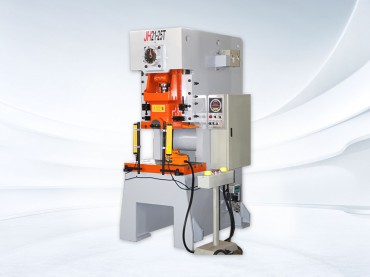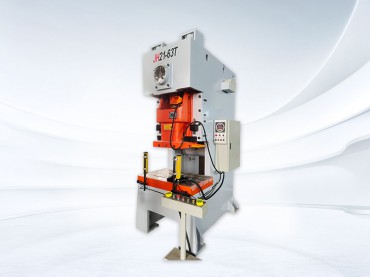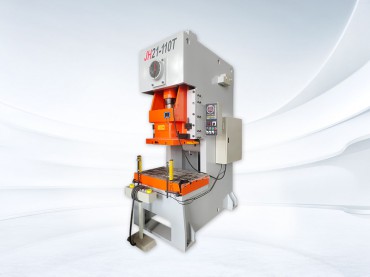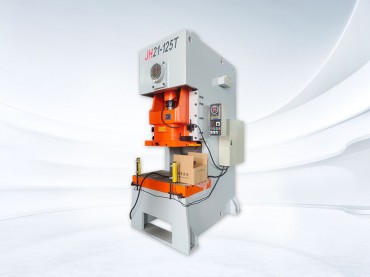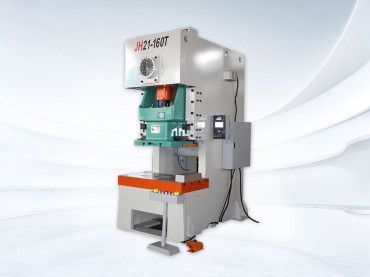
As a vital piece of equipment in modern metal processing, CNC punching machines have gained widespread application across automotive, electronics, machinery manufacturing, and construction industries due to their high efficiency, precision, and automation capabilities. For operators, mastering the correct operating procedures not only enhances production efficiency and processing quality but also effectively extends equipment lifespan and ensures safe production. This article provides a systematic overview covering five key aspects: operational preparation, operating techniques, equipment characteristics, application fields, and precautions.
- Verify air pressure reaches 0.5MPa (refer to GB/T 23570-2009 standard) and oil level is within marked range.
- Inspect lubrication status of guide rails and transmission components; lubricating oil must be replenished weekly.
- Sheet thickness must match program settings with an error tolerance of ±0.1mm (for precision stamping requirements).
- Prepare matching dies, inspect cutting edges for chipping, and ensure die bases are clean and free of debris.
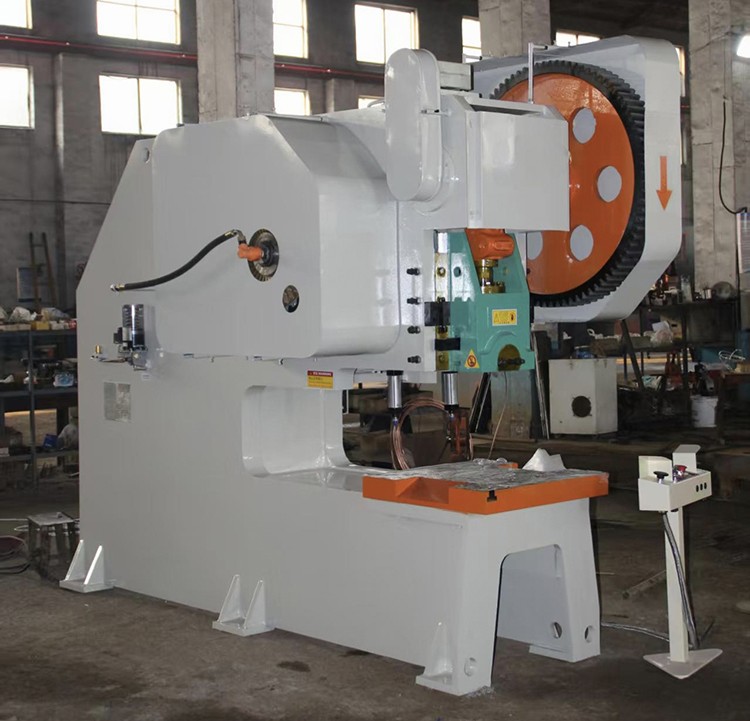
Before any operation, thoroughly understand the startup and shutdown procedures to prevent equipment malfunctions caused by improper operation.
Write corresponding machining programs based on processing requirements and debug them before operation to ensure accuracy and efficiency.
Familiarize yourself with all interfaces and menu options of the CNC punching machine's control systems to ensure smooth and precise operation.
Select appropriate tools and fixtures based on processing requirements. Pay attention to replacement direction and methods to ensure accurate and safe changes.
After processing, promptly remove scrap material and clean the equipment to maintain hygiene and extend service life.
(1) High Speed: CNC punching machines enable high-speed continuous punching, achieving hundreds of strokes per minute.
(2) High Precision: The CNC system enables precise punching with tolerances controlled within 0.1mm.
(3) High Efficiency: Through punching dies, CNC press brakes rapidly complete complex punching processes.
(4) High Stability: The CNC system facilitates rapid die change and automated operation, enhancing equipment stability and reliability.
(5) User-Friendly Operation: The graphical interface of the CNC system allows complex punching processes to be completed through simple inputs and operations.
(6) Safe and Reliable: The CNC system incorporates multiple safety protection measures to prevent operator injury and equipment damage.
(1) Automotive Industry: CNC punching machines are used for stamping automotive bodies, interiors, and seat frames.
(2) Electronics Industry: CNC punching machines process metal components for electronic products like mobile phones, computers, and flat-screen televisions.
(3) Machinery Manufacturing: CNC punching machines produce hardware products including machinery, molds, watches, and eyewear.
(4) Other Industries: CNC punching machines also serve metal processing needs in construction, metallurgy, aerospace, petroleum, and other sectors.
When operating CNC punching machines, strictly adhere to relevant safety regulations, wear necessary protective gear, and prevent personnel injury or equipment damage due to operational errors.
The service life and machining accuracy of CNC punching machines are significantly influenced by equipment maintenance. Regular upkeep and lubrication are essential to ensure normal operation.
Select appropriate materials and workpieces based on processing requirements to prevent quality and efficiency issues caused by mismatched components.
Processing accuracy is influenced by multiple factors. Monitor temperature, speed, cooling, and other variables during operation to maintain precision.
Processing efficiency of CNC punching machines relates to factors like processing speed, cutting tools, and fixtures. Comprehensive consideration and implementation of appropriate measures are necessary to enhance processing efficiency.
As indispensable high-end equipment in modern manufacturing, the operation of CNC punching machines involves multiple stages including equipment inspection, program debugging, tool replacement, and maintenance. Only by strictly adhering to operational standards can the high efficiency and precision advantages of CNC punching machines be fully realized, ensuring safe and stable production.
 Address:Room 1202, Detaitang Building, No. 118 Huaguang Road, Zhangdian District, Zibo, Shandong
 WhatsApp:+8615653328535
 Wechat: +8615965331535
  E-mail:zs@sdsmachinery.com