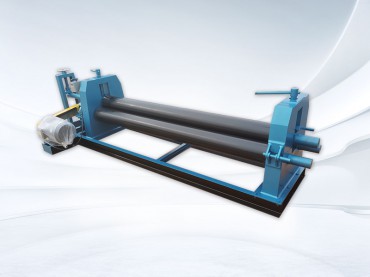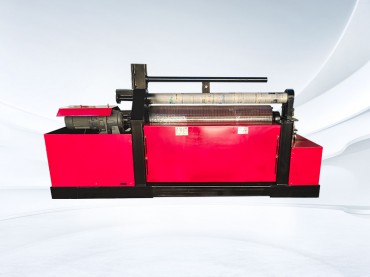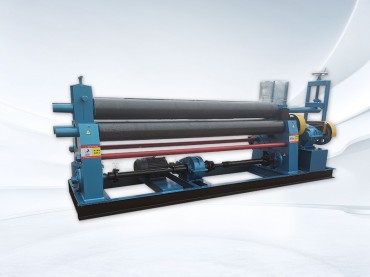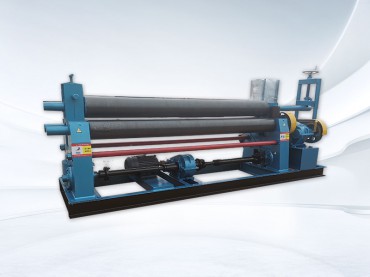
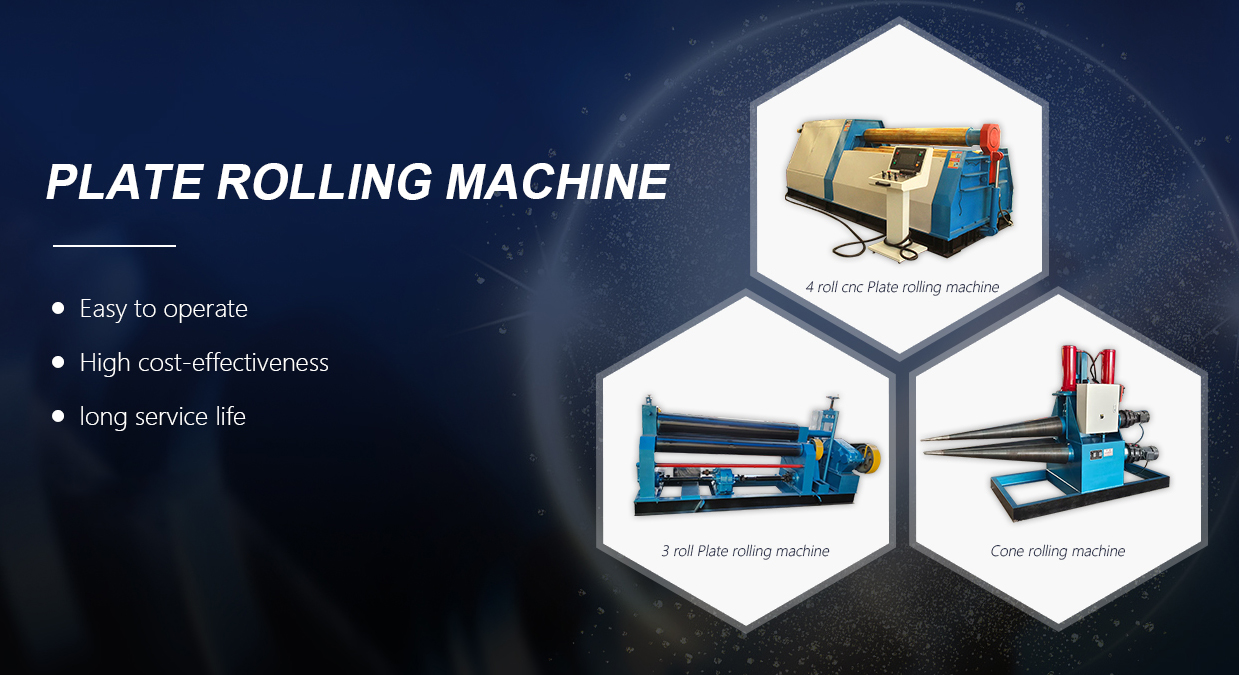
In the modern metal processing industry, the plate rolling machineserves as a core piece of equipment widely used in boiler manufacturing, chemical equipment, pressure vessels, shipbuilding, aerospace, and architectural structures. With its efficient, precise, and flexible processing capabilities, the plate rolling machine has become an indispensable tool in the production processes of numerous enterprises. This article provides a detailed introduction to the plate rolling machine, covering its structure, working principle, advantages, and maintenance.
Plate rolling machines typically consist of the following components:
- Frame: The main structural framework, usually fabricated through welding or casting processes. It possesses high rigidity and stability, ensuring structural integrity under heavy-load processing conditions.
- Working Mechanism: Includes drive rollers, driven rollers, and a pressing device. By adjusting roller spacing and pressing force, it achieves bending of metal plates.
- Transmission System: Composed of motors, reducers, and drive shafts, providing continuous power to the working mechanism.
- Auxiliary Devices: Encompasses lubrication systems, hydraulic systems, and electrical control systems, ensuring smooth operation and user-friendly handling.
This scientifically designed structure enables the plate rolling machine to maintain high efficiency and stability during complex metal forming processes.
The plate rolling machine operates primarily through roller rotation and pressure application. When metal plate is fed between the drive roll and driven roll:
- The drive roll rotates via motor power, propelling the plate forward.
- The driven roll rotates in tandem, providing support and guidance for the sheet.
- The pressure device applies force, causing the sheet to bend and deform between the rolls.
By adjusting the roll spacing and pressure intensity, the machine can process sheets of varying thicknesses, widths, and curvatures. Ultimately, the sheet is progressively formed into cylindrical, conical, or other required curved structures.
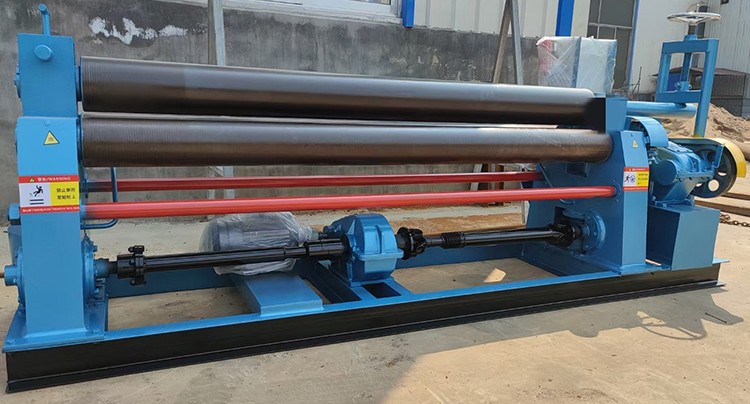
The operation of plate rolling machines is relatively straightforward. By adjusting each roller through the control system, metal sheets can be bent. Additionally, these machines are equipped with advanced CNC systems that automatically execute complex bending processes, significantly reducing operational difficulty and labor costs. Furthermore, their high degree of automation allows seamless integration with other production line equipment, further enhancing efficiency.
Plate rolling machines process metal sheets through continuous bending, achieving significantly higher processing efficiency compared to traditional manual or mechanical bending methods. They can adjust bending speed and angle according to production requirements to meet diverse product specifications. This flexibility provides a distinct advantage in handling varied production demands, helping to boost efficiency and reduce costs.
Modern plate rolling machines typically employ computer control to achieve high-precision forming. This precision ensures consistent and stable product specifications and quality, reducing defect rates and imperfections.
Plate rolling machines can process parts into various shapes such as cylindrical, conical, elliptical, and arcuate components, meeting diverse industry and production requirements. Additionally, specialized plate rolling machines feature end-prebending capabilities, enabling simultaneous end-prebending and forming without repositioning the sheet.
During production, plate rolling machines compress large plate areas into smaller dimensions, conserving production space and logistics resources. Simultaneously, by minimizing raw material waste, they reduce environmental impact.
Plate rolling machines are simple to operate, requiring minimal specialized skills or experience from operators. Maintenance is also relatively straightforward, contributing to long-term stable equipment performance.
Roll forming machines accommodate various metal sheet types, including aluminum, stainless steel, and iron plates. This broad applicability enables widespread use across multiple industries.
Plate rolling machines incorporate safety features designed with operator protection in mind. For instance, the tilting and reset mechanisms of the tilting bearing housing are equipped with interlock devices. After tilting, the hydraulic cylinder facilitates simple unloading, while all other functions remain inactive. Operations resume only after the tilting bearing housing is reset, ensuring safety.
To ensure long-term stable operation of plate rolling machines, daily maintenance is essential:
(1) Regularly inspect the lubrication system to ensure all moving parts are well-lubricated.
(2) Clean metal debris from the machine surface to prevent affecting equipment precision.
(3) Inspect the hydraulic system for oil leaks and promptly replace worn seals.
(4) Apply rust prevention measures during extended periods of non-use to prevent corrosion of critical components.
In summary, as a vital metal processing equipment, the plate rolling machine offers multiple advantages including high efficiency, precision, flexibility, and energy savings. In future production, plate rolling machines will play an increasingly important role, helping enterprises achieve high-quality and high-efficiency production goals.
 Address:Room 1202, Detaitang Building, No. 118 Huaguang Road, Zhangdian District, Zibo, Shandong
 WhatsApp:+8615653328535
 Wechat: +8615965331535
  E-mail:zs@sdsmachinery.com