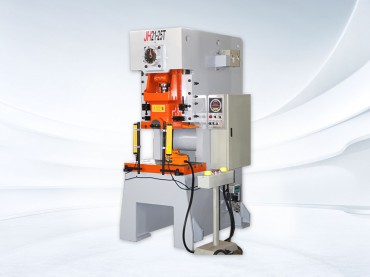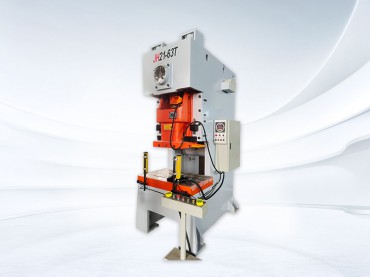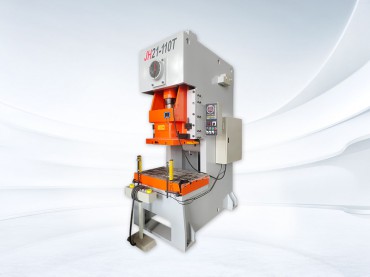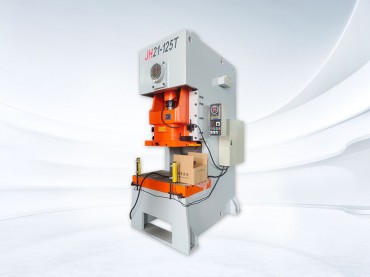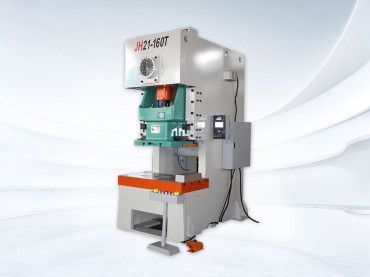
In the modern metalworking industry, hydraulic punching machines have gradually become essential equipment replacing traditional mechanical punching machines due to their flexible processing capabilities and outstanding safety performance. As manufacturing demands for precision, efficiency, and intelligence continue to rise, hydraulic punching machines are increasingly applied across industries such as automotive, home appliances, and electronics. This article systematically introduces the working principles, technical advantages, and typical application scenarios of hydraulic punching machines, while comparing them with mechanical punching machines.
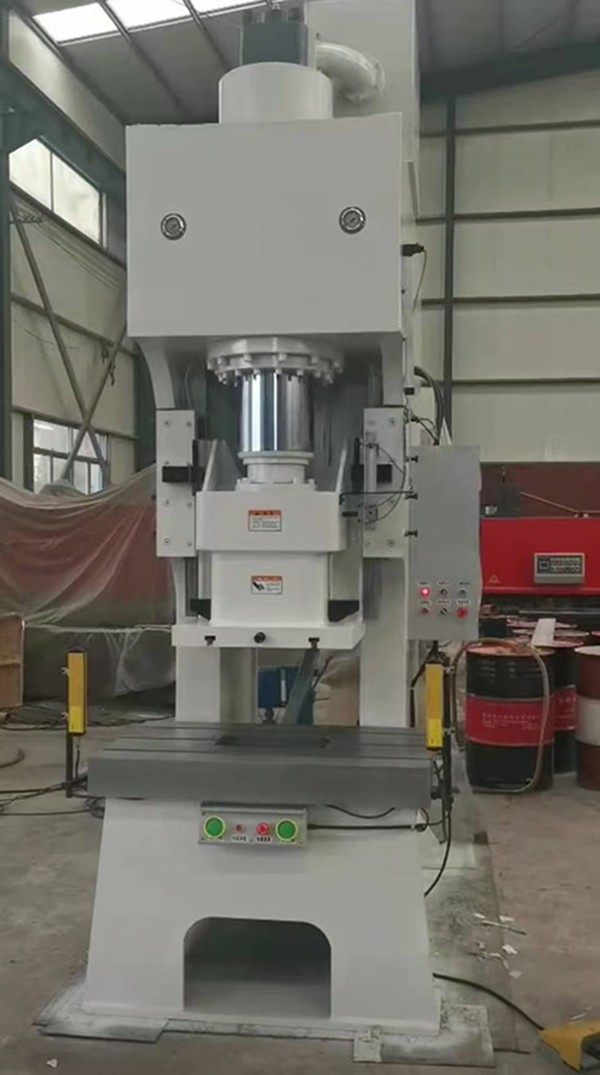
(1) Hydraulic System: Hydraulic punching machines are driven by a hydraulic system, primarily composed of a hydraulic pump, oil reservoir, and hydraulic valves. The hydraulic pump delivers pressurized oil to drive the hydraulic cylinder.
(2) Hydraulic Cylinder: The hydraulic cylinder is the key component enabling the press's motion. Pressurized oil from the pump enters the cylinder via hydraulic valves, activating the piston-linkage mechanism.
(3) Control System: The control system typically includes a control cabinet, pushbutton switches, pressure gauges, etc. Operators control the press's functions by activating these switches.
(4) Workbench: The workbench serves as the platform for metal sheet processing, adjustable in height and angle as needed. Tools and dies are usually mounted on this surface.
(5) Cutting Tools and Dies: Cutting tools and dies are the critical components for executing punching operations. Different shapes and sizes of tools and dies can be swapped based on specific processing requirements.
(1) Flexible Processing: Pressure and stroke can be infinitely adjusted, making it suitable for complex workpieces (e.g., deep-drawn parts).
(2) Overload Protection: The hydraulic system incorporates safety valves that automatically relieve pressure when limits are exceeded.
(3) Low Noise & Vibration: Hydraulic cushioning design minimizes impact, with noise levels typically below 75 dB (per ISO 3744 standard).
(4) Significant Energy Savings: Hydraulic punching machines deliver power on demand without continuous high-speed operation, achieving 30%-40% greater energy efficiency than mechanical punching machines.
With their superior performance, hydraulic punching machines find extensive use across multiple industries:
Hydraulic punching machines are commonly used for forming automotive body components such as door outer panels, hoods, and bearing press-fitting processes, meeting the stamping demands of large-sized sheet metal.
In the production of stainless steel sinks, washing machine drums, and air conditioner housings, hydraulic punching machines enable deep drawing processes, ensuring smooth, crack-free product surfaces.
Electronic components demand extreme precision. Hydraulic punching machines enable small-hole punching and precision drawing with tolerances as tight as ±0.05mm, making them ideal for producing connector housings, micro heat sinks, and similar parts.
Hydraulic punching machines are extensively used in manufacturing aluminum pots, stainless steel tableware, and lighting fixture housings. They ensure attractive aesthetics while boosting production efficiency.
Comparison Item
Hydraulic Punching machine
Mechanical Punching machine
Drive Method
Hydraulic Drive
Crank-Connecting Rod Mechanism
Speed
Lower (20-60 strokes/min)
Higher (100-1000 strokes/min)
Energy Consumption
On-demand power supply, 30%-40% energy savings
Continuous operation, fixed energy consumption
Maintenance Cost
Hydraulic components require regular oil changes
Simple mechanical structure, easy maintenance
Safety is the foremost requirement for equipment operation. When using hydraulic punching machines, strictly adhere to the following operational guidelines:
(1) Personnel Requirements: Operators must undergo professional training, be familiar with equipment structure and performance, and hold valid certification.
(2) Pre-Operation Preparation: Clear debris from dies, check oil tank level, oil pump sound, and pipeline connections for abnormalities.
(3) Die Installation: Must be performed with power disconnected. Align upper and lower dies to center before securing to prevent off-center loading.
(4) No-Load Test Run: Before starting the equipment, run it idle for 5 minutes to confirm normal system operation before proceeding to pressure testing.
(5) Pressure Adjustment: Working pressure must not exceed 90% of rated pressure. Test-press sample parts before processing.
(6) Prohibited Actions During Operation: Do not insert hands or head into the mold working area. Do not perform tapping, welding, twisting, or similar operations during stamping.
(7) Environmental Requirements: Flammable or explosive materials must not be stored in the work area. Smoking and open flame operations are strictly prohibited.
(8) Post-Operation Procedures: After processing, disconnect the power supply. Clean the mold and workpiece. Lubricate the hydraulic cylinders. Maintain equipment cleanliness.
As a key representative of metal forming equipment, the hydraulic punching machine has become an indispensable component in modern machining due to its advantages in flexible processing, overload protection, low noise, and energy efficiency. By thoroughly understanding its working principles, technical features, and application domains, we can better leverage its strengths in production, enhancing both manufacturing efficiency and product quality.
5. Safe Operation of Hydraulic Punching Machines
 Address:Room 1202, Detaitang Building, No. 118 Huaguang Road, Zhangdian District, Zibo, Shandong
 WhatsApp:+8615653328535
 Wechat: +8615965331535
  E-mail:zs@sdsmachinery.com