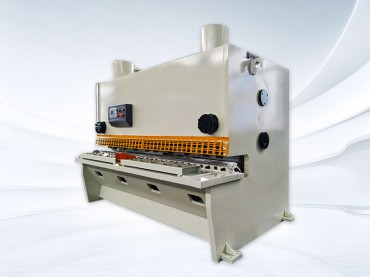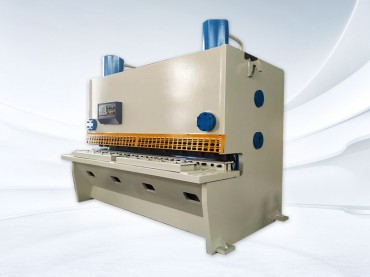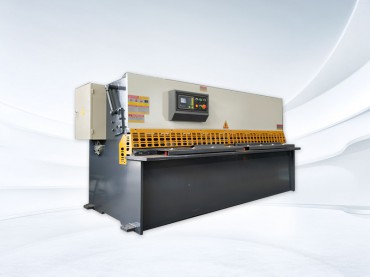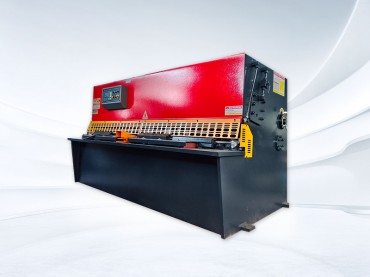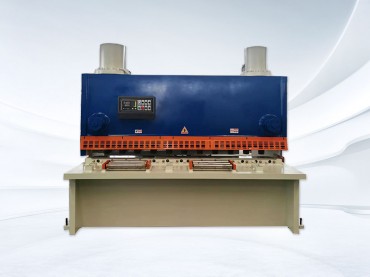
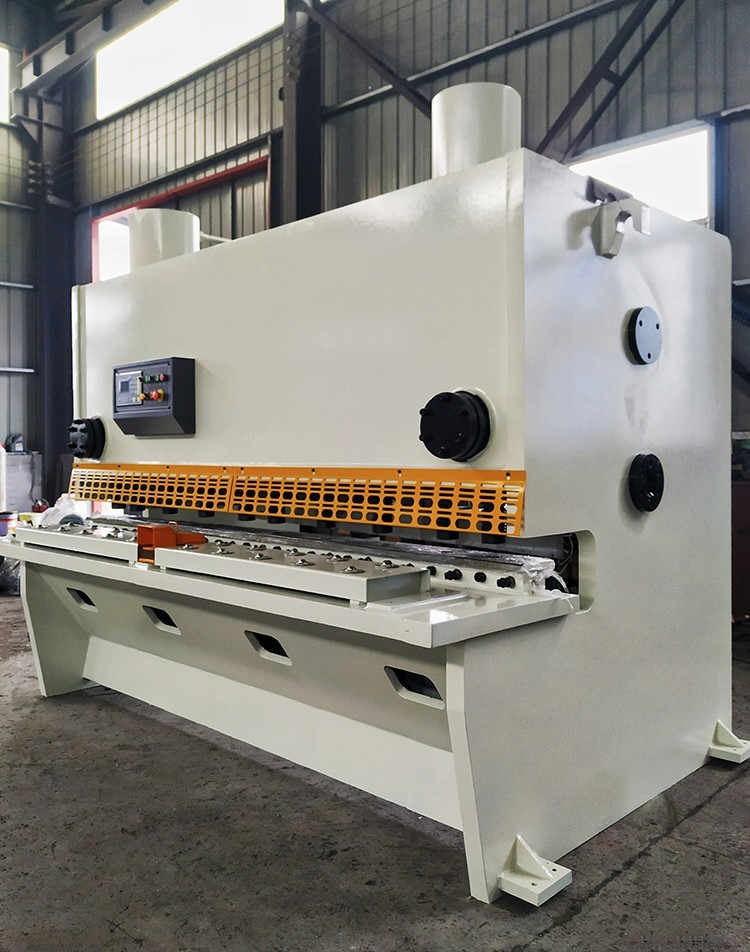
In the field of metal processing, CNC shearing machines have become indispensable key equipment in many industries due to their high precision and efficiency. As the core executing component of the CNC shearing machine, the performance of the knife holder directly affects the shearing quality and the service life of the equipment. However, in actual use, the problem of tool holder wear often occurs, which not only affects the cutting accuracy but may also shorten the service life of the equipment. Exploring the causes of wear on the tool holder of CNC shearing machines is of great significance for improving equipment operating efficiency and reducing maintenance costs.
During the cutting process of a CNC shearing machine, the tool holder is subjected to enormous mechanical pressure. When cutting plates with high hardness or thickness, the mechanical pressure on the cutting edge of the tool holder will significantly increase. This sustained high pressure can easily cause fatigue in the tool holder material, leading to fracture or minor collapse. For example, when cutting stainless steel plates, due to the high hardness of stainless steel, small cracks will gradually appear at the cutting edge of the tool holder during repeated cutting processes. With the increase of cutting times, these cracks will continue to expand, ultimately leading to increased wear of the tool holder. In addition, if the material selection of the tool holder is improper, its strength and toughness cannot meet the shear requirements, and wear will occur faster under the action of mechanical force.
During the cutting process, the intense friction between the knife holder and the sheet will generate a large amount of heat. These heats will cause a sharp increase in temperature on the cutting edge of the tool holder, leading to a series of problems. On the one hand, temperature changes can cause thermal stress inside the tool holder material. When the thermal stress exceeds the material's bearing capacity, cracks will occur. On the other hand, high temperature can also cause plastic deformation of the tool holder material, resulting in inward or downward collapse of the cutting edge, changing the shape of the cutting edge and affecting shear accuracy. For example, during continuous high-speed shearing, the temperature at the cutting edge of the tool holder may reach several hundred degrees Celsius. Prolonged heat accumulation can reduce the hardness and wear resistance of the tool holder material, thereby accelerating wear.
In the usage environment of CNC shearing machines, chemical reactions may occur between the tool holder material and the workpiece material, leading to wear. For example, when using a hard alloy tool holder to shear certain metal sheets containing active elements, under high temperature and pressure, elements such as cobalt in the hard alloy may diffuse with elements in the workpiece material, changing the chemical composition and metallographic structure of the tool holder material, reducing its hardness and increasing its brittleness, thereby accelerating wear. In addition, oxygen in the air and additives in the cutting fluid may also undergo chemical reactions with the tool holder material, generating loose and fragile oxides that are easily carried away by chips, leading to tool holder wear.
For some materials with high viscosity, such as low carbon steel, aluminum, etc., it is easy to form chip layers or chip lumps on the front cutting surface of the tool holder during the shearing process. The formation of chip deposits can change the actual geometric shape of the cutting edge, increase cutting force, and lead to increased wear of the tool holder. Meanwhile, when the debris tumor falls off, it may take away the material on the surface of the tool holder, causing damage to the tool holder surface. In addition, adhesive loads can also cause tensile stress on the cutting edge of the tool holder, leading to coating separation and exposure of the underlying layer or substrate, further accelerating the wear of the tool holder.
 Address:Room 1202, Detaitang Building, No. 118 Huaguang Road, Zhangdian District, Zibo, Shandong
 WhatsApp:+8615653328535
 Wechat: +8615965331535
  E-mail:zs@sdsmachinery.com