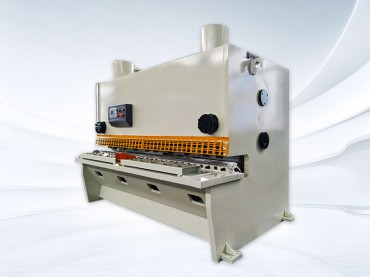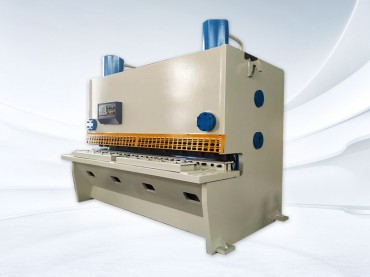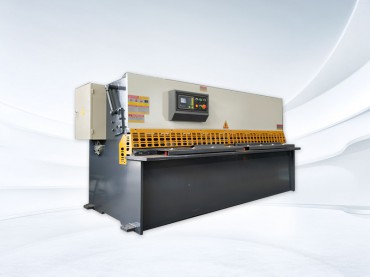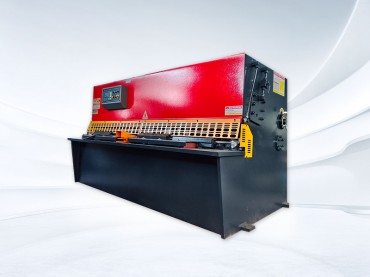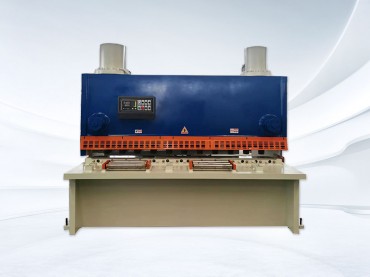
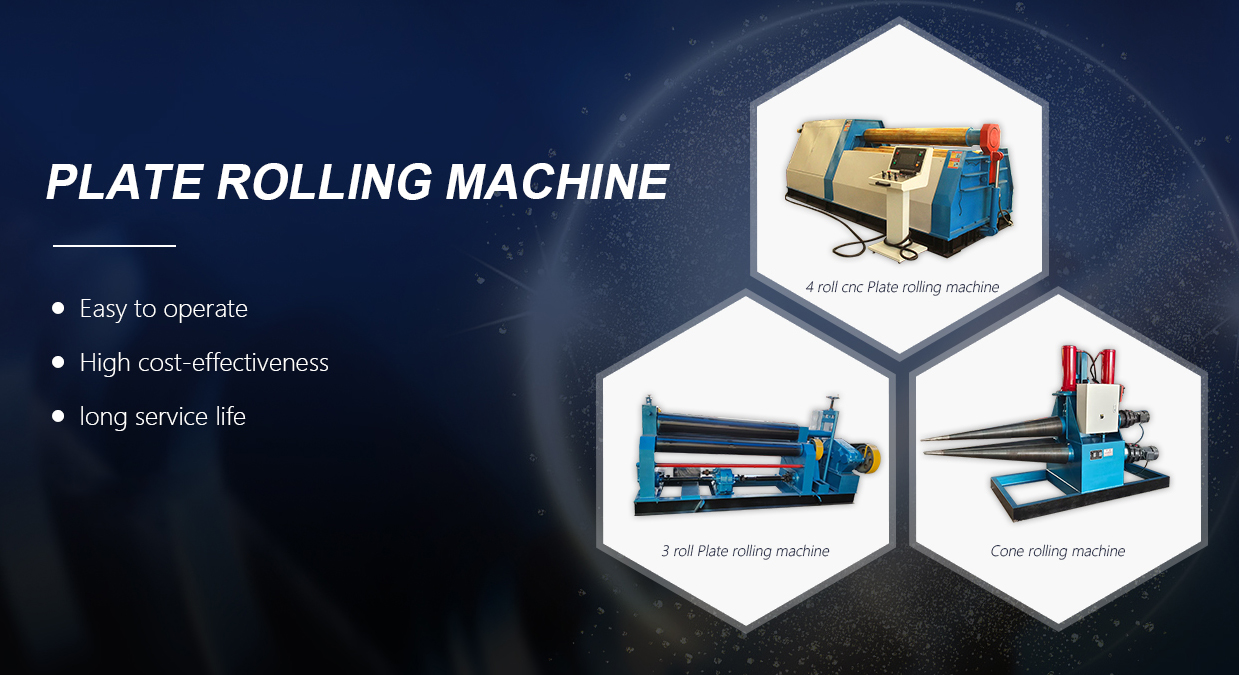
In modern industrial production lines, the processing of metal materials is a crucial step. From large steel mills to small metal processing workshops, a key equipment is indispensable - the shearing machine. It is like a tailor in the industrial field, accurately cutting metal materials to meet the needs of different production scenarios. So, what exactly is a shearing machine?
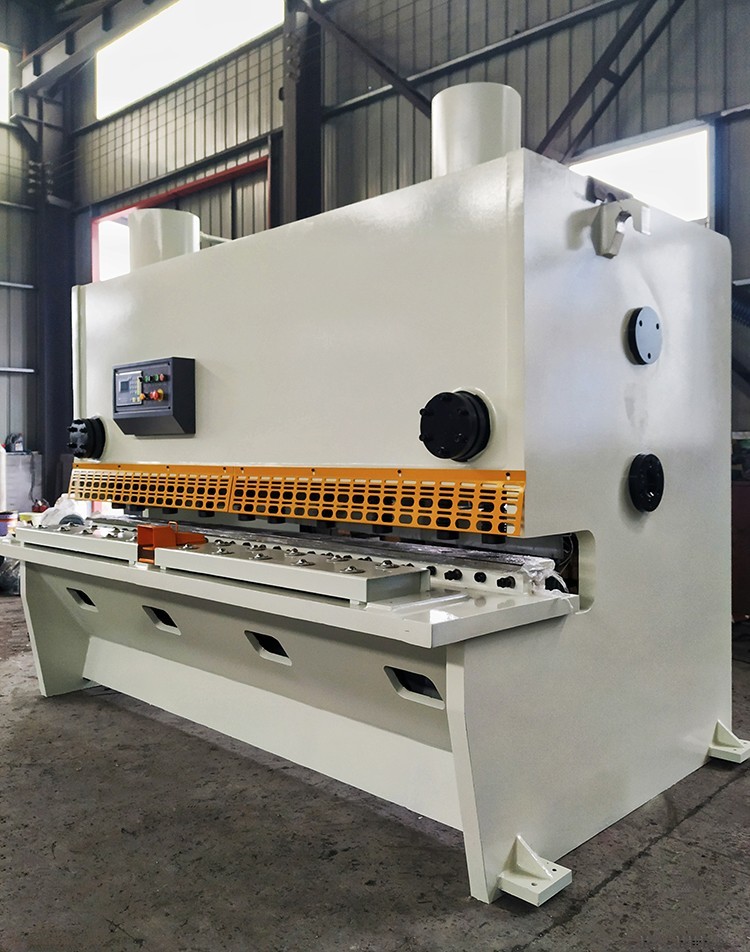
A shearing machine is a processing equipment that uses mechanical force or hydraulic pressure to drive blade closure and cut metal materials to a fixed size. Its cutting methods include linear cutting, oblique cutting, and disc cutting, and can handle various metals from thin plates (0.1mm) to thick plates (30mm). It is widely used in the steel, automotive, shipbuilding, and construction industries. Similar to the punching process of a fixed table punch press, a shearing machine separates materials by squeezing them with blades, but focuses more on continuous or fixed length cutting of large-sized materials.
The working principle of the shearing machine is based on the relative motion of the blades and the plastic deformation of the material. Taking the hydraulic shearing machine as an example, the motor drives the hydraulic pump to generate high-pressure oil, which pushes the piston to drive the upper blade to quickly descend, forming a shearing force with the lower blade fixed to the frame. The material undergoes plastic deformation at the blade edge and fractures when the stress exceeds the material's tensile strength. During the cutting process, the blade clearance (usually 5% -10% of the material thickness) and cutting angle (1 ° -3 °) are key parameters that directly affect the quality of the cut and the energy consumption of the equipment. The punching process of a fixed table punch press is similar, but the separation of closed contours is achieved through mold closure instead of straight cutting.
The shearing machine is mainly composed of a body, a transmission system, a blade device, a pressing mechanism, and a control system. The body adopts integral casting or welding structure, providing high rigidity support; The transmission system includes mechanical transmission (crankshaft connecting rod) or hydraulic transmission (oil cylinder piston), which converts power into linear motion of blades; The blade device consists of an upper blade, a lower blade, and a blade gap adjustment mechanism, usually made of high alloy tool steel (HRC58-62); The material pressing mechanism compresses the material before shearing through springs or hydraulic cylinders to prevent movement; The control system integrates electrical and hydraulic components to achieve precise control of cutting stroke, speed, and pressure. The structure of the fixed punch press partially overlaps with it, but emphasizes more on the coordination between the slider and the mold, rather than direct cutting with the blade.
 Address:Room 1202, Detaitang Building, No. 118 Huaguang Road, Zhangdian District, Zibo, Shandong
 WhatsApp:+8615653328535
 Wechat: +8615965331535
  E-mail:zs@sdsmachinery.com