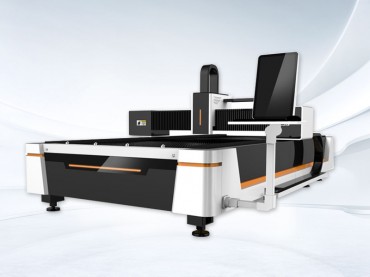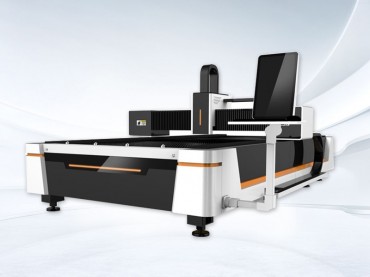
As a versatile tool in modern manufacturing, the tube integrated laser cutting machine is reshaping the production mode in the field of metal processing with its high efficiency, precision, and flexibility. Its core advantages are reflected in three aspects: technological integration, processing efficiency, and adaptability, while the actual application effect needs to be comprehensively evaluated based on specific scenarios.
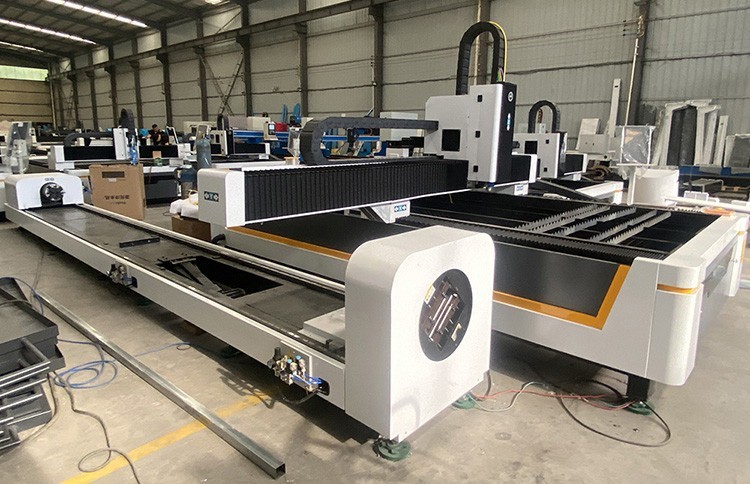
The plate and tube integrated laser cutting integrates the cutting functions of plates and pipes on the same platform through modular design. Its core component - fiber laser, can output high-energy density beams and achieve millimeter level positioning of the light spot with the help of a numerical control system. For example, in the processing of automotive parts, the equipment can quickly switch cutting modes, completing both flat cutting of seat brackets and processing of irregular pipes for exhaust pipes without the need to replace equipment or adjust fixtures. This integrated design reduces equipment footprint by 30% while lowering initial investment and maintenance costs.
Compared to traditional cutting methods, the efficiency of the plate and tube integrated laser cutting has been significantly improved. Taking the cutting of carbon steel pipes with a length of 6 meters and a diameter of 100mm as an example, traditional sawing machines take 15 minutes to complete single cutting, while laser cutting machines can complete it in 3 minutes with a vertical error of ≤ 0.1mm. Its efficiency comes from two aspects: firstly, the instantaneous melting characteristic of the laser beam, which controls the cutting width within 0.2mm and reduces material loss by 40%; The second is an automated loading and unloading system that can achieve parallel operations of sheet cutting and pipe processing, with a comprehensive efficiency improvement of over 50%. In addition, the intelligent layout algorithm equipped on the device can optimize material utilization and further reduce waste.
 Address:Room 1202, Detaitang Building, No. 118 Huaguang Road, Zhangdian District, Zibo, Shandong
 WhatsApp:+8615653328535
 Wechat: +8615965331535
  E-mail:zs@sdsmachinery.com