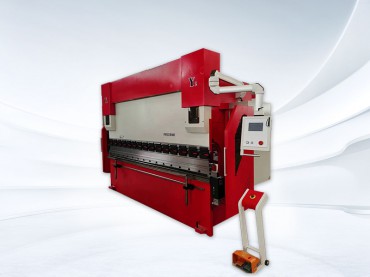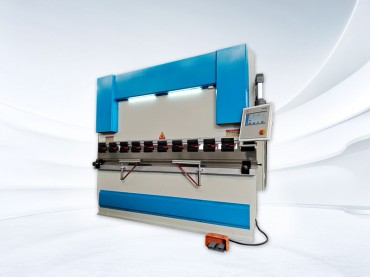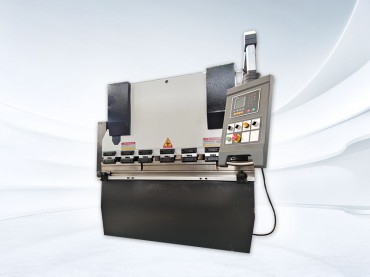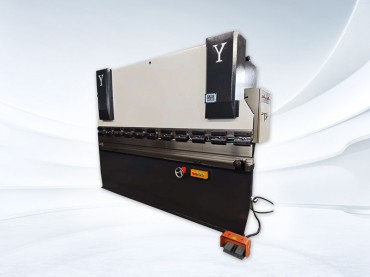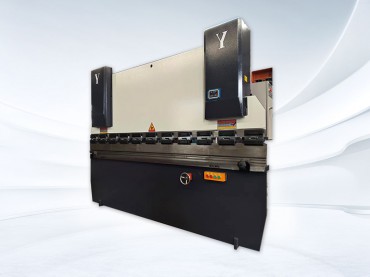
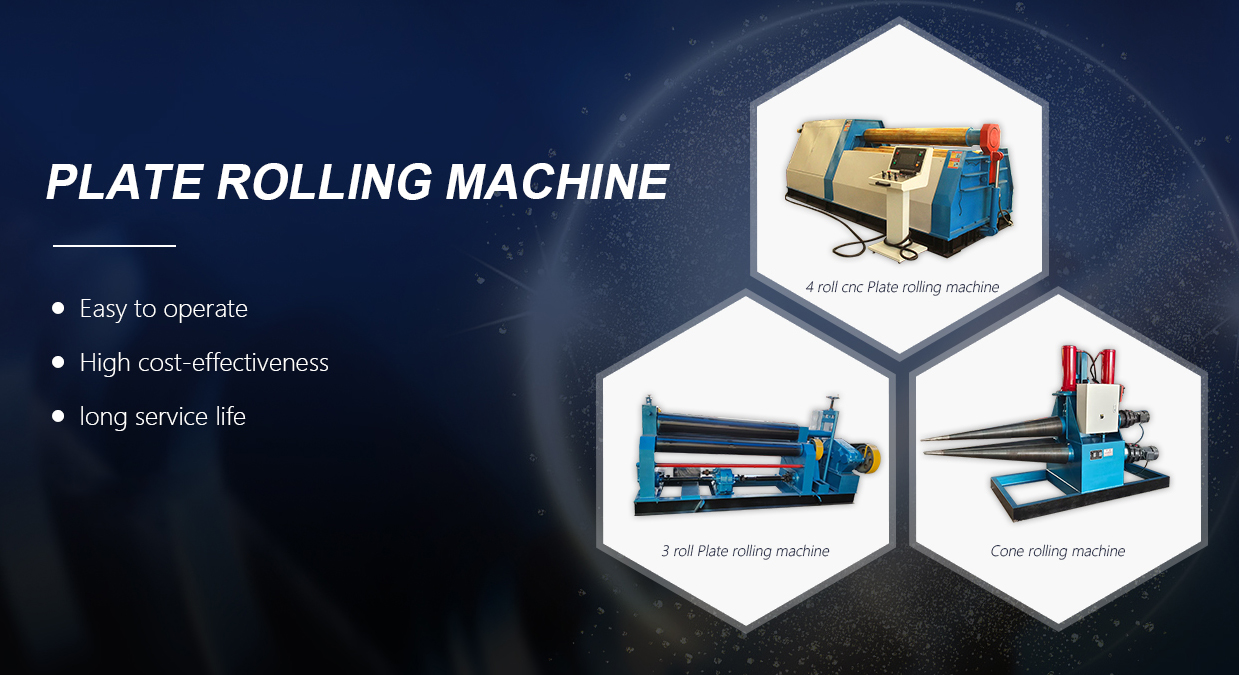
In the metal processing industry, bending machines, as common and important equipment, are widely used in sheet metal processing, machinery manufacturing, automotive parts, building decoration and many other fields. With the rapid development of the manufacturing industry, the types and functions of bending machines have been enriched to meet the production needs of different sizes and precision requirements. As a professional manufacturer of bending machines we will use ten years of industry experience to introduce the classification and characteristics of bending machines in detail from the common models, dimensions, parameters, main types and applications.
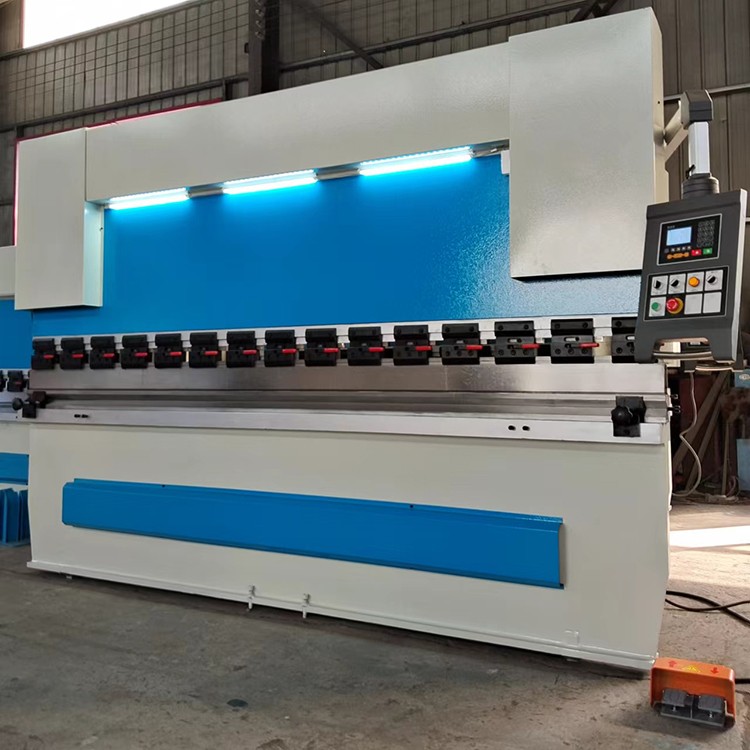
bending machine is a common metal processing equipment, common models include manual bending machine, hydraulic bending machine, CNC bending machine. Among them, the manual bending machine structure is simple, flexible operation, suitable for small-scale and low-cost metal processing occasions. Hydraulic bending machine to hydraulic cylinder as a power source, bending accuracy and efficiency, widely used in medium-scale production. CNC bending machine is equipped with advanced CNC system, which can automatically program and adjust the parameters to realize high-precision and high-efficiency batch processing, suitable for large-scale and complex workpiece manufacturing.
Different models of bending machines in the function, cost and ease of operation have their own advantages, enterprises need to combine with their own production needs when choosing.
The size and parameters of the bending machine is also a factor to consider when choosing a bending machine. Common parameters include:
-Bending length: to determine the maximum length of the equipment can be processed workpiece, the common range from 1 to 6 meters or even longer.
-Bending thickness: directly related to the tonnage of the equipment, the thickness ranges from 0.5mm to tens of millimeters.
-Bending angle: modern bending machines are generally able to achieve 0 ° ~ 180 ° bending angle adjustment.
-Table size and opening height: affect the placement of the workpiece and ease of operation.
According to the production requirements, you can choose the appropriate specifications. For example, thin plate processing companies pay more attention to high precision and quick mold change function, while heavy industrial users prefer large tonnage and strong rigidity of the bending machine.
Manual bending machine is a simple bending machine, simple structure, easy to operate, inexpensive. It is mainly used in small factories, maintenance workshops or teaching experiments, can complete some lightweight sheet metal bending task. However, due to complete reliance on manual operation, its productivity is low, it is difficult to adapt to the needs of large-volume orders.
Hydraulic bending machine is currently the most widely used category, the use of hydraulic cylinders of stable pressure to drive the movement of the slider, bending high precision and simple operation. The hydraulic system can provide large pressure, suitable for processing medium-thick plates.
Its advantages are: strong power, can bend high-strength metal materials; high processing accuracy, with digital display system can effectively reduce the error; better safety, with multiple protection functions.
Hydraulic bending machine is widely used in machinery manufacturing, engineering equipment, metal doors and windows and steel structure industry.
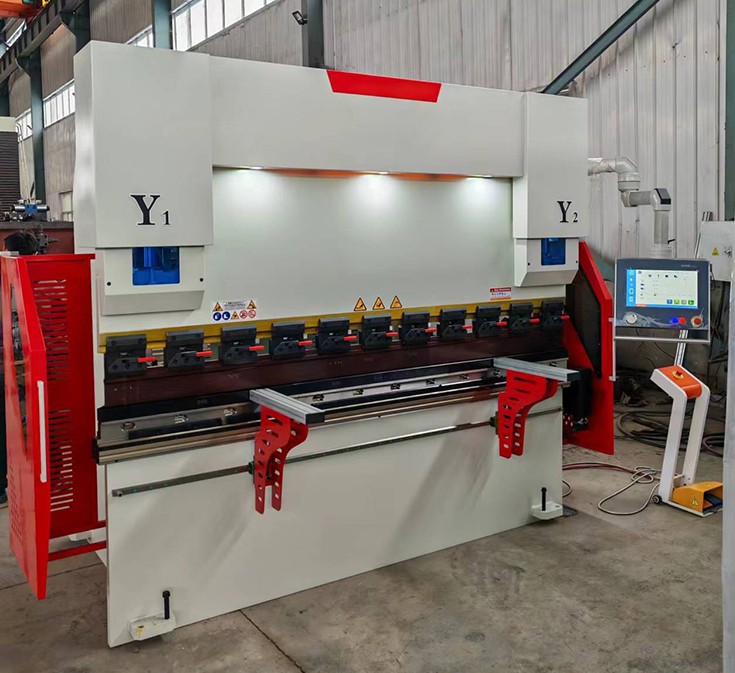
CNC bending machine table the development direction of the bending machine. It is characterized by.
-High degree of automation: through the computer numerical control system, the operator only needs to enter the parameters of the workpiece, the equipment can automatically complete the bending.
-High precision: error can be controlled within ± 0.1mm, suitable for aviation, precision electronics, medical equipment and other high-demand industries.
Significantly improve efficiency: suitable for high-volume orders, can significantly reduce labor costs.
Strong scalability: supports automatic mold change, intelligent inspection and on-line work with robots, helping intelligent manufacturing.
-Comparison of Selection Key Indicators
|
Type |
Accuracy (mm) |
Maximum pressure (tons) |
Applicable plate thickness (mm) |
|
Mechanical |
±0.5 |
100 | 0.5-3 |
|
Hydraulic |
±0.1 |
6000 | 6-20 |
|
CNC |
±0.01 |
8000 | 0.3-25 |
*Data synthesized from ISO 24347 standards and manufacturers' technical manuals.
Different types of bending machines are suitable for different production and processing needs.
-Manual bending machine: suitable for individual processors, small factories and experimental teaching, for small-scale, infrequent metal bending.
-Hydraulic bending machine: suitable for medium-scale production, such as automotive parts, metal doors and windows, lightweight steel structure, taking into account the efficiency and cost.
-CNC bending machine: widely used in aerospace, rail transportation, shipbuilding, construction machinery and other areas that require high precision and efficiency.
As one of the core equipments for modern metal processing, the bending machine is meeting the growing demands of the manufacturing industry with diversified types and ever-increasing level of intelligence. From the traditional manual bending machine, to the widely used hydraulic bending machine, to the intelligent and efficient CNC bending machine, different types of bending machines have their own application scenarios. With the industrial upgrading and market competition intensified, enterprises in the purchase of bending machine, the only combination of their own needs and industry trends, in order to choose the most appropriate equipment to enhance competitiveness.
If you are interested in bending machine, please contact us, we will give you the right machine and quote.
 Address:Room 1202, Detaitang Building, No. 118 Huaguang Road, Zhangdian District, Zibo, Shandong
 WhatsApp:+8615653328535
 Wechat: +8615965331535
  E-mail:zs@sdsmachinery.com