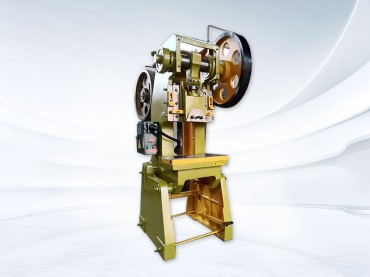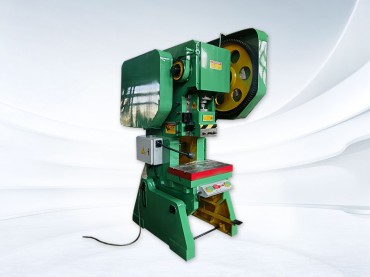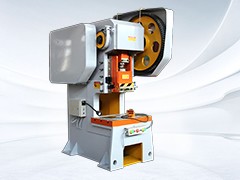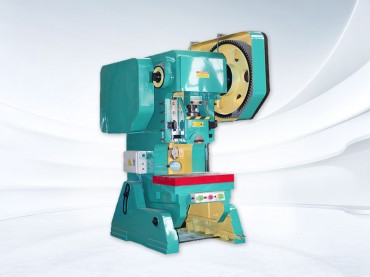
A mechanical punch press, also known as a stamping machine, is a piece of equipment that uses a punch and die to perform stamping operations on metal sheets. It plays a crucial role in industrial production, particularly in metal processing, hardware manufacturing, and automotive parts production. Mechanical punch presses are characterised by their simple structure, ease of operation, and high processing efficiency, making them widely adopted across various industries. As a manufacturer with years of experience in producing mechanical punch presses, we will provide a comprehensive overview of these machines from multiple perspectives to help you better understand and select the appropriate equipment.
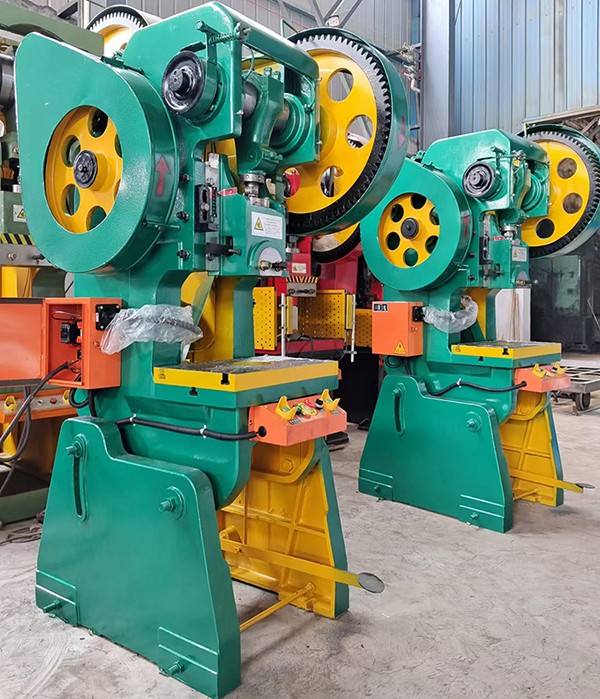
Mechanical presses achieve processing by deforming metal materials through moulds. They convert the energy from an electric motor into mechanical energy via a transmission system, driving the moulds to move up and down. The workpiece is placed on the workbench, and processing is performed using the mould's own weight or elasticity.
Processing of the workpiece is achieved through the downward movement of the press and the upward movement of the workpiece. When the press moves downward, the mould rebounds upward due to its own elasticity, completing one processing cycle. When the die moves downward, it is pressed down by gravity or a damper to complete the processing.
A mechanical press typically consists of the following major components:
Machine tool body: Includes the machine frame, operating table, control panel, etc., serving as the basic framework of the equipment and bearing all loads during the stamping process.
Transmission system: Comprised of an electric motor, pulley, drive shaft, reducer, and crankshaft, it is the core component of a mechanical punch press.
Control system: The basic control method for a punch press, primarily achieving punching actions through mechanical transmission and linkages.
Die: An indispensable component of a mechanical punch press, it determines the types and specifications of products the machine can process.
Auxiliary equipment: Such as feeding machines, material collection machines, defect detection equipment, and other auxiliary production equipment, which can improve the production efficiency and processing accuracy of the press.
(1) First, the metal plate to be processed is pressed into the die seat, and the die component applies pressure to it. Then, the press continues to apply pressure to the die, causing it to spring back upward after processing and return to its original position.
(2) Next, the punch press's servo motor rotates the limit switch, causing it to move downward, with the die re-entering the die seat to begin processing the metal sheet again. This cycle repeats until processing is complete.
(3) In summary, a mechanical punch press follows a predefined action sequence, continuously cycling through self-execution to complete the processing of metal sheets.
Mechanical presses are widely used across various industrial sectors, particularly in metal processing, hardware manufacturing, and automotive parts production. They can process various metal materials such as steel, aluminium, and copper to produce components of different shapes and sizes. Additionally, with ongoing technological advancements and the trend toward automated industrial production, mechanical presses are continuously being updated and upgraded to meet higher processing demands and stricter precision requirements.
However, operating mechanical presses does involve certain risks. Since presses generate significant impact forces during the stamping process, improper operation or equipment malfunctions may result in injury to operators. Therefore, strictly adhering to safety operating procedures and conducting regular equipment maintenance and inspections are crucial measures to ensure safe production.
When operating mechanical punch presses, workers must strictly adhere to operating procedures, including but not limited to: inspecting the equipment before starting the punch press to ensure everything is functioning normally before beginning work; strictly prohibiting hands from entering the stamping area during operation to prevent accidental injuries; and regularly maintaining and servicing moulds and equipment to ensure they remain in good working condition.
To further enhance the safety of mechanical press operations, devices such as photoelectric protection systems can be employed. These systems automatically shut down the machine when operators enter the stamping area, thereby preventing accidents.
As a high-efficiency, high-precision metal processing machine, the mechanical press plays an irreplaceable role in modern industrial production. If you are interested in mechanical presses, please contact us, and we will recommend suitable machines and provide quotes.
 Address:Room 1202, Detaitang Building, No. 118 Huaguang Road, Zhangdian District, Zibo, Shandong
 WhatsApp:+8615653328535
 Wechat: +8615965331535
  E-mail:zs@sdsmachinery.com