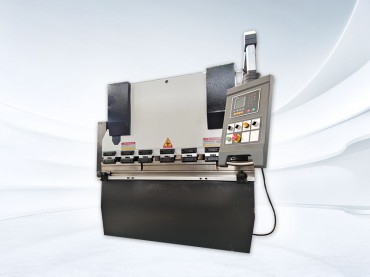
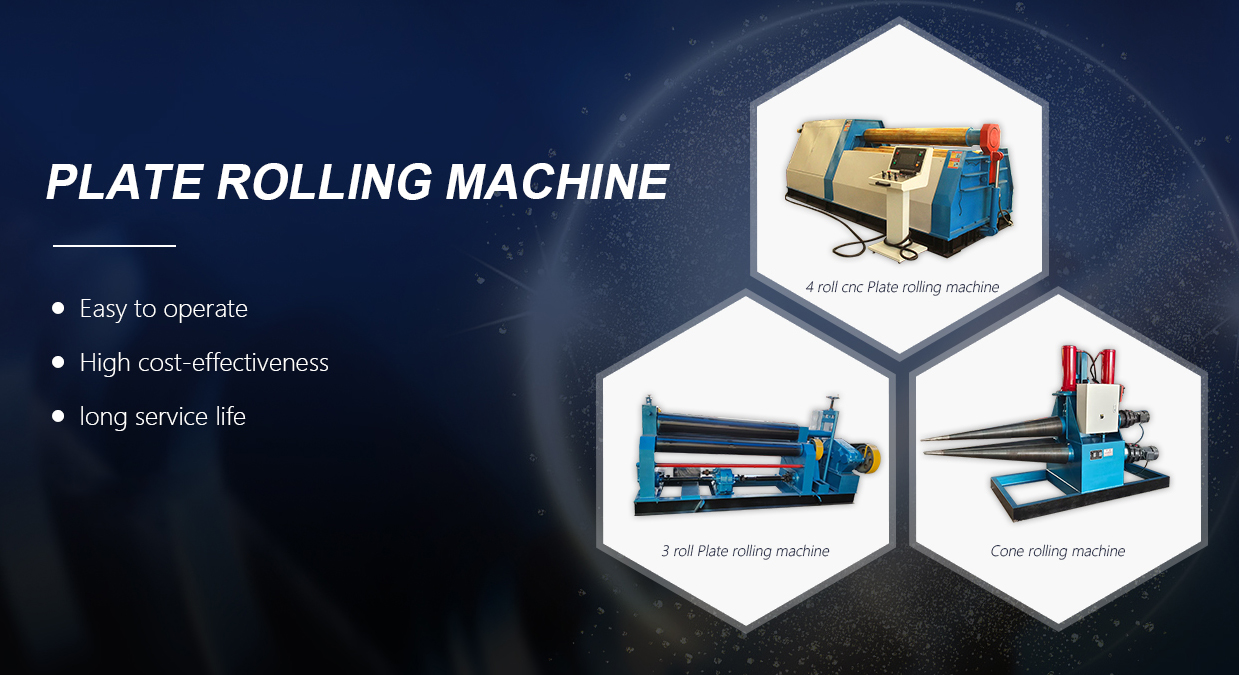
With over a decade of continuous refinement in the research, development, and manufacturing of bending machines, we have grown into a leading bending machine manufacturer. Today, we will introduce you to techniques for preventing deformation during thin sheet metal bending:
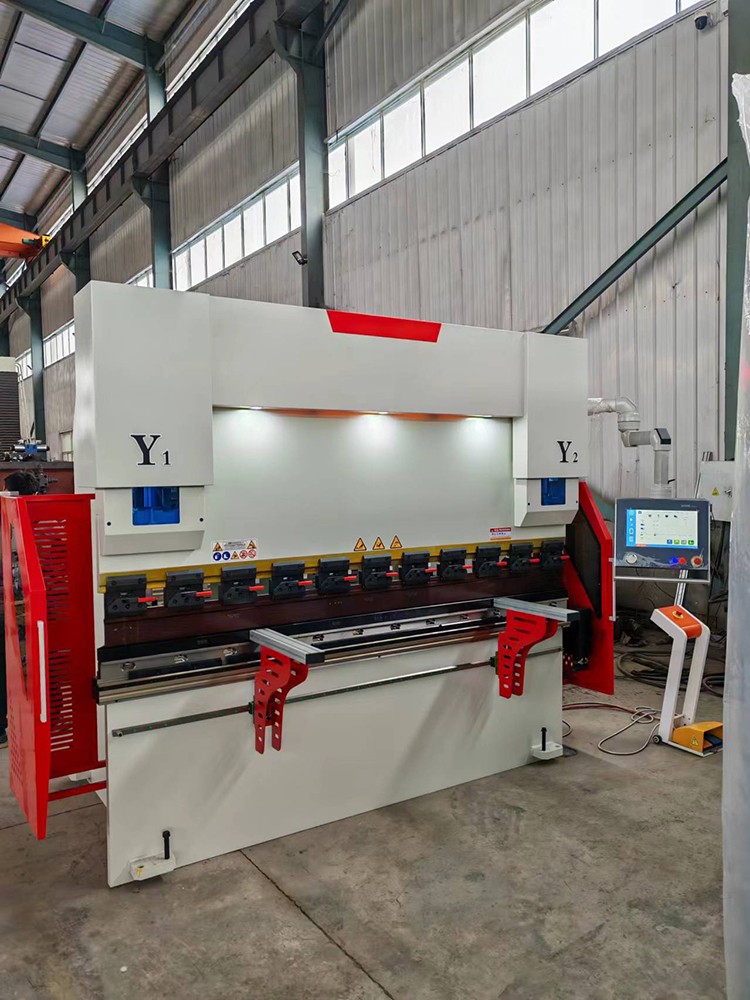
Thin sheet metal is prone to deformation during the bending process, which can affect product precision and aesthetics. Mastering the correct techniques for preventing deformation can effectively improve processing quality. This article will introduce several practical methods to help operators reduce deformation during thin sheet metal bending.
Material selection and pre-treatment
The choice of material directly affects the bending effect. For thin sheet bending, it is recommended to use materials with good ductility, such as certain types of stainless steel or aluminum alloy. The ratio of material thickness to bending radius should not be too small, otherwise it will easily lead to increased deformation. Before processing, the flatness of the sheet should be checked to ensure that there is no initial deformation or stress concentration area.
The fiber direction of the sheet material also affects bending quality. Generally, aligning the bending line perpendicular to the material's rolling direction yields better forming results. For materials prone to deformation, consider annealing the material prior to bending to eliminate internal stress.
Die selection and adjustment
The proper selection of dies is a key factor in preventing deformation. The tip radius of the upper die should match the required bending radius; an excessively large radius may cause excessive material stretching, while an excessively small radius may result in surface damage. The V-shaped opening width of the lower die is typically 6–8 times the material thickness; for thin sheets, this ratio may be appropriately reduced.
The installation of the mold must ensure that the upper and lower molds are strictly aligned. Any slight misalignment will result in asymmetrical deformation. The parallelism between the bending machine slide and the workbench should be checked regularly to ensure even pressure distribution. For long workpieces, consider using segmented molds or adding intermediate supports.
Process parameter optimization
Bending speed has a significant impact on thin plate deformation. Excessively fast bending speeds can easily cause localized stress concentration in the material. It is recommended to use medium to low speeds for processing. Pressure settings should be moderate; excessive pressure can cause excessive deformation of the material, while insufficient pressure may result in insufficient angles.
A multi-step bending strategy can effectively reduce deformation. For large-angle bends, do not attempt to form the part in a single step; instead, use a multi-step progressive bending process. Allow the material sufficient time to release stress after each bend before proceeding to the next step. For particularly precise parts, consider adding a fine-tuning step before final forming.
Support and auxiliary measures
Long, thin plates are prone to twisting and deformation when bent. Auxiliary support devices can be used to counteract this. Support blocks or rollers can be used on the outside of the bending line to effectively resist the tendency of the material to deform. For mass production, special fixtures can be made to secure the non-bent areas of the workpiece.
Air cushion devices or magnetic workbenches can help keep thin plates flat during processing. These auxiliary devices counteract the unbalanced stress generated during bending by distributing support force evenly. For workpieces with high surface quality requirements, protective film can be placed between the mold and the material to reduce the risk of scratches.
Follow-up treatment and correction
Even with preventive measures, slight deformation may still occur after bending thin plates. Manual or mechanical correction methods can be used for adjustment. Manual correction involves gently tapping the deformed area with a wooden mallet or rubber hammer, ensuring that the force is applied evenly. Mechanical correction uses specialized flattening equipment, which is more efficient but also more costly.
For workpieces that have already become deformed, local heating can be used for correction. By heating a specific area over a small range and allowing it to cool naturally, the shape can be adjusted using the principle of thermal expansion and contraction. This method requires accumulated experience to avoid overheating, which can alter the properties of the material.
Operating precautions
The operator's skill level directly affects the anti-deformation effect. During the bending process, movements should be performed smoothly and continuously to avoid stress concentration caused by interruptions. Both hands should work in coordination, with one hand holding the free end of the workpiece and the other controlling the operation button to ensure smooth material movement.
The processing environment is also critical. The workbench surface must be kept clean, as any foreign objects may cause uneven pressure distribution. Regularly inspect the condition of the dies; severely worn dies should be replaced promptly. For workpieces with special shapes, perform a test bending first to confirm accuracy before proceeding with mass production.
By comprehensively applying the above methods, deformation issues during the thin plate bending process can be significantly reduced. In actual production, adjustments should be made flexibly according to specific circumstances, and experience should be continuously summarized to gradually improve processing quality and efficiency.
If you are interested in bending machines, please contact us.
 Address:Room 1202, Detaitang Building, No. 118 Huaguang Road, Zhangdian District, Zibo, Shandong
 WhatsApp:+8615653328535
 Wechat: +8615965331535
  E-mail:zs@sdsmachinery.com