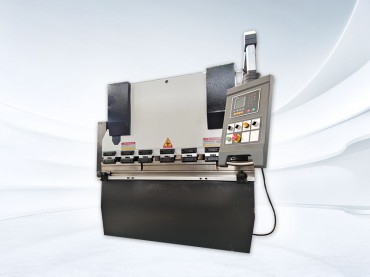
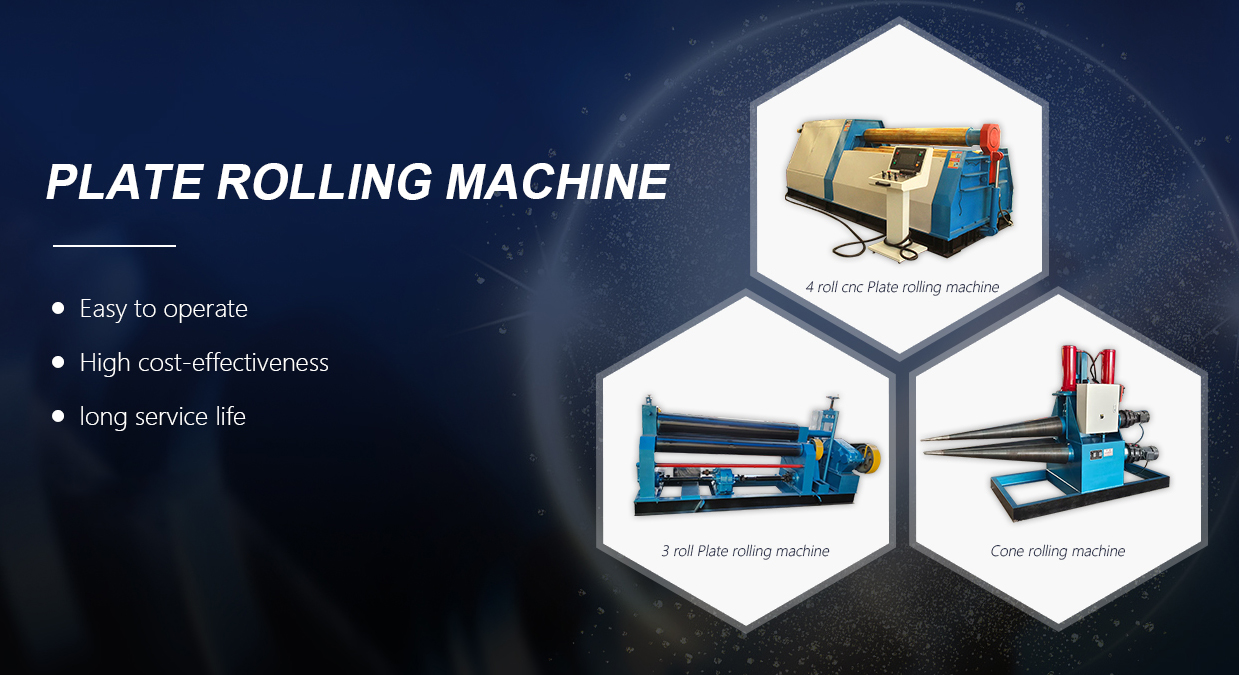
With 10 years of dedicated research and development, we have become a professional manufacturer of bending machine equipment. Today, we will introduce the calculation formula for selecting the tonnage of a bending machine.
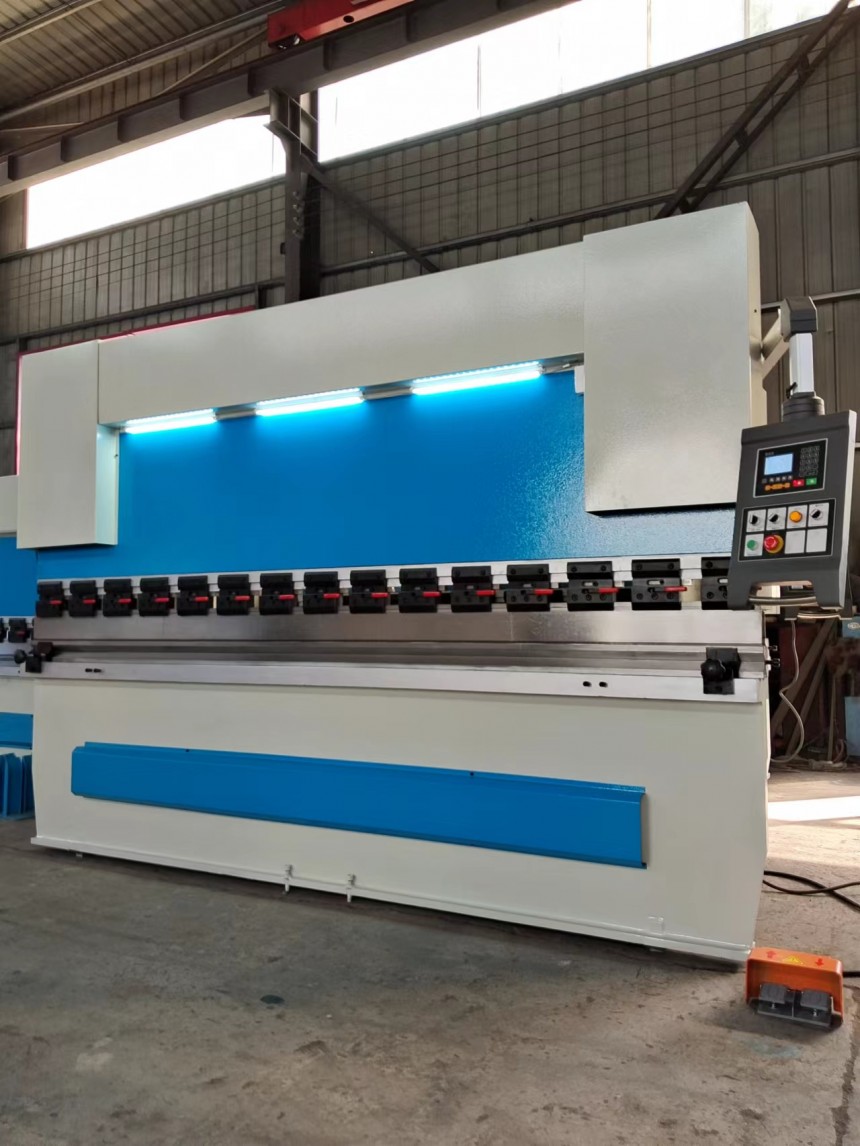
As an important piece of equipment for metal sheet processing, the tonnage selection of a bending machine directly affects processing quality, equipment lifespan, and production safety. Accurately calculating the required tonnage is a prerequisite for ensuring the smooth operation of the bending process and a key step in avoiding equipment overload or resource waste. This article will systematically analyze the basic principles and formula applications of bending machine tonnage calculation.
The Basic Principles of Tonnage Calculation
The tonnage of a bending machine refers to the maximum pressure the machine can apply during the bending process, typically measured in tons. Selecting the appropriate tonnage requires consideration of three primary factors: the physical properties of the sheet material, die parameters, and bending process requirements. The tensile strength, thickness, and length of the sheet material constitute the inherent resistance of the material to deformation, while the die opening dimensions determine the leverage effect of external forces. From a process perspective, the required bending angle and bending radius also influence the final pressure required.
When these factors interact, they form a mechanical equilibrium system: the pressure provided by the bending machine must be sufficient to overcome all resistance to plastic deformation of the material in order to complete the desired bending operation. The calculation process is essentially a quantitative analysis of this mechanical system.
Analysis of standard calculation formulas
The internationally recognized formula for calculating bending tonnage is: P = K × σ × t² × L/V. In this formula, P represents the required tonnage (tons); K is a coefficient, typically set to 1.33; σ denotes the tensile strength of the sheet material (MPa); t is the thickness of the sheet material (mm); L is the bending length (mm); and V is the lower die opening dimension (mm). This formula accurately reflects the influence of various factors on tonnage requirements through the power relationships between the parameters.
Tensile strength σ is an inherent property of the material, with significant differences between different materials. The tensile strength of ordinary low-carbon steel is approximately 450 MPa, while stainless steel may reach 650 MPa, and aluminum is around 200 MPa. Thickness t affects the result in a square form, indicating its amplifying effect on tonnage requirements. Length L is directly proportional to tonnage, meaning that processing longer workpieces naturally requires greater pressure. The lower die opening V is in the denominator position, meaning that a wider opening die can reduce the required tonnage, which is a concrete manifestation of the lever principle.
Calculation Example Demonstration
Taking the processing of a 2-meter-long 304 stainless steel plate as an example, with a plate thickness of 3 mm and a lower die opening of 32 mm. The tensile strength of 304 stainless steel is approximately 520 MPa. Substituting into the formula: P = 1.33 × 520 × 3² × 2000 / 32 ≈ 380 tons. This means that under these conditions, a bending machine with a minimum pressure of 380 tons is required to successfully complete the processing.
In actual operation, the calculated result usually needs to be increased by a 20% safety margin to account for uncertainties such as material fluctuations and mold wear. In the above example, 380 × 1.2 = 456 tons, so it is more prudent to choose a 500-ton bending machine. The addition of this safety factor ensures processing reliability without causing excessive waste of equipment resources.
Adjustments for special circumstances
The standard formula applies to 90-degree right-angle bends. When non-standard angles are required, adjustments must be made. Generally speaking, acute-angle bends require increased pressure, while obtuse-angle bends can have the pressure appropriately reduced. A rule of thumb is: within the 30-90 degree range, for every 15-degree decrease, the required pressure increases by approximately 10%; within the 90-150 degree range, for every 15-degree increase, the pressure can be reduced by 8%.
The multi-pass bending process also requires special attention. When multiple bends are required at the same location, subsequent processes should take into account the effects of work hardening. Cold work hardening increases material strength by 10-30%, so the tonnage calculation for subsequent bends should be adjusted accordingly. At the same time, the internal stress accumulated from multiple bends may also cause changes in springback, and these factors should be considered when selecting equipment.
Common calculation misconceptions
The most common mistake is to ignore the consistency of length units. All parameters in the formula must use the same unit system, especially thickness and length, which must both use millimeters or meters. Otherwise, the calculation results will be off by a factor of a thousand. Another common problem is the incorrect use of tensile strength values. The tensile strength of different material states (such as annealed or hardened) can vary significantly, so you need to pick the right value based on the actual material certificate.
Overreliance on theoretical calculations while ignoring actual working conditions should also be avoided. Factors such as workshop temperature, mold wear, and sheet metal surface condition all affect the actual pressure required. Experienced operators often make appropriate adjustments based on the calculated results and specific circumstances, which is a process judgment that cannot be replaced by formulas alone.
Bending machine tonnage calculation is a technical task that combines theory and experience. Mastering the basic calculation formulas is only the first step; understanding the underlying mechanical principles is even more important. In practical applications, one should flexibly apply the calculation principles based on specific material properties, process requirements, and equipment conditions to make reasonable tonnage selections. Proper tonnage determination not only ensures product quality but also extends equipment lifespan, enhances production safety, and ultimately achieves maximum efficiency. With the widespread use of calculation software, modern bending processes can now more accurately predict the required pressure, but the fundamental principles still rely on the guidance of this classic mechanical formula.
If you are interested in bending machines, please contact us.
 Address:Room 1202, Detaitang Building, No. 118 Huaguang Road, Zhangdian District, Zibo, Shandong
 WhatsApp:+8615653328535
 Wechat: +8615965331535
  E-mail:zs@sdsmachinery.com