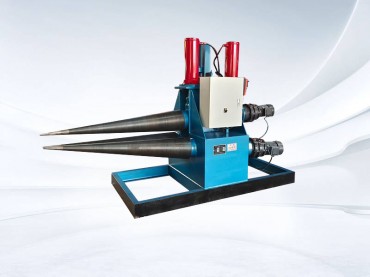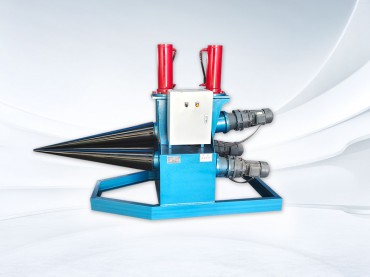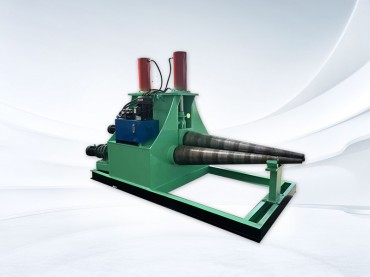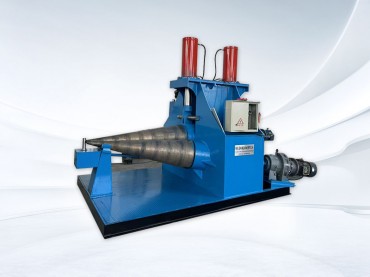
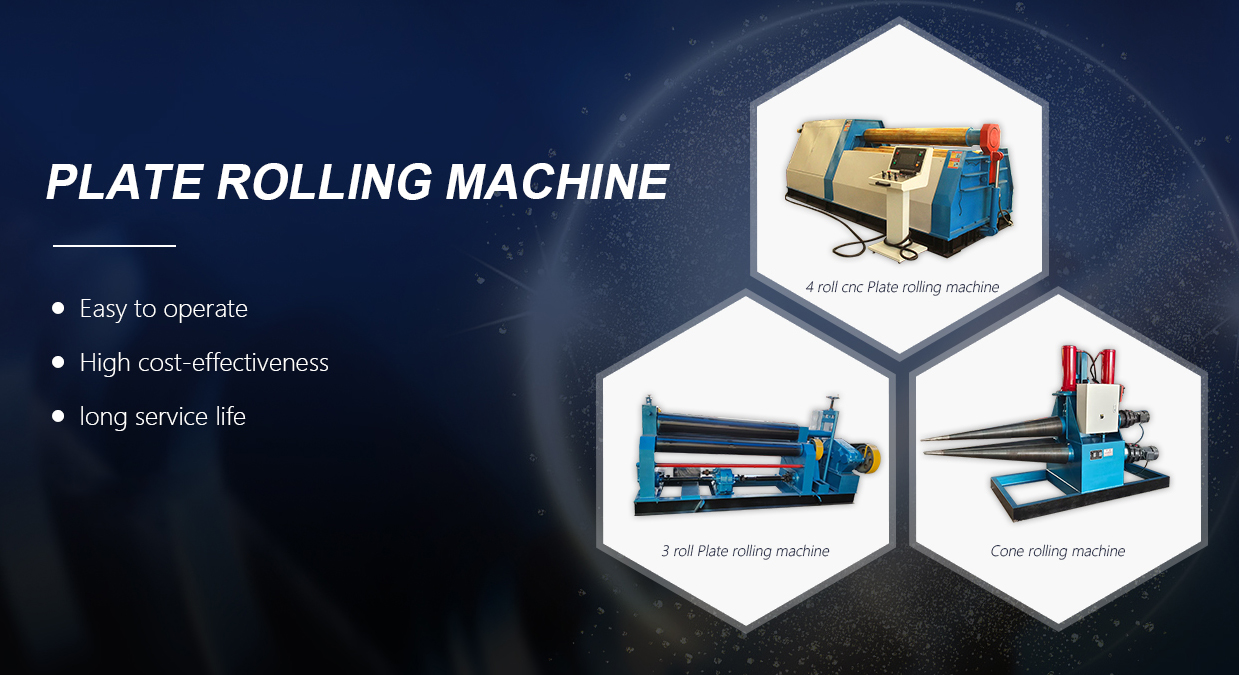
With professional quality that has earned market recognition, we draw on more than 10 years of experience in the manufacture of cone rolling machine to provide you with an interpretation of the main technical parameters of cone rolling machines:
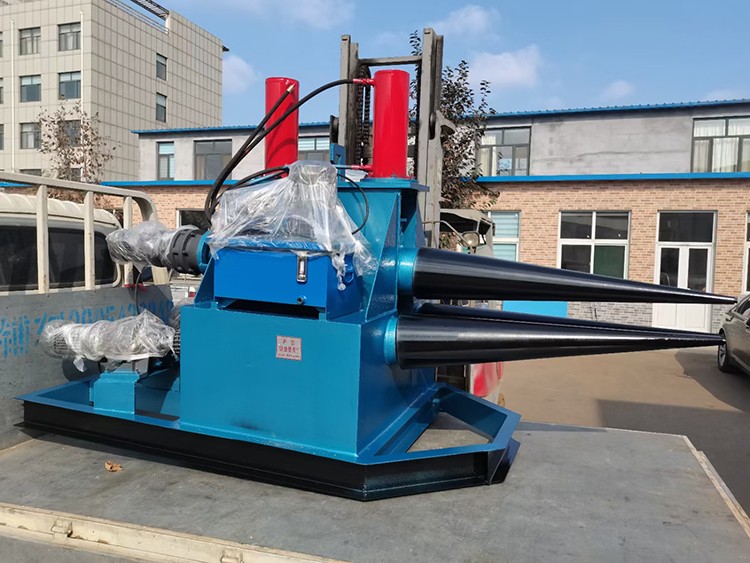
As a key piece of equipment for metal sheet forming and processing, the technical parameters of a cone rolling machine directly determine its processing capacity and scope of application. A correct understanding of the meaning of these parameters is of practical significance for equipment selection and production applications. This article will interpret the main technical parameters of cone rolling machines from three aspects: Processing range, forming accuracy, and power system.
1. Processing Range Parameters
Processing range parameters are the primary indicators for evaluating a machine's basic capabilities. The plate thickness range indicates the thickness limits of materials the machine can process, typically expressed as a range from minimum to maximum values. This parameter is directly related to the machine's roller shaft strength and transmission power. Too-thin plates may cause unstable forming, while too-thick plates may exceed the machine's load capacity. The plate width parameter determines the machine's ability to handle the lateral dimensions of materials, with this value limited by the machine frame's opening distance.The maximum diameter parameter reflects the maximum size of the equipment when processing conical parts, and this value is related to the adjustment stroke of the roller shaft. The material strength parameter is often expressed as the tensile strength value, and different types of metal require equipment with corresponding power ratings. It is important to note that there are interdependent relationships between these parameters. For example, when processing high-strength materials, the actual maximum formable plate thickness is often lower than the nominal value.
2. Forming accuracy parameters
Forming accuracy parameters directly affect the quality level of the final product. Roundness error refers to the maximum deviation between the formed workpiece and the ideal circle. This parameter depends on the positioning accuracy of the roller shaft and the overall structural rigidity. The straightness parameter reflects the straightness of the workpiece in the axial direction and is related to the guide rail accuracy and feeding stability. Repeatability accuracy refers to the consistency of the equipment during multiple forming operations, and this value is particularly important for mass production. Modern cone rolling machines are typically equipped with CNC systems, and their minimum control unit determines the lower limit of accuracy that the equipment can achieve. In actual processing, forming accuracy is not only affected by the equipment itself, but also by external factors such as material springback characteristics and mold wear conditions. When referring to these parameters, users should understand the corresponding measurement conditions and testing standards.
3. Power system parameters
Power parameters determine the working efficiency and energy consumption level of the equipment. The main motor power is a core parameter that directly affects the torque output and continuous working capacity of the equipment. The hydraulic system pressure parameter is crucial for models that use hydraulic regulation, as it determines the maximum pressure that can be applied to the roller shaft. The speed regulation range parameter reflects the equipment's adaptability to different processing speeds. A wide speed regulation range can balance precision requirements and production efficiency. Although energy consumption indicators are not directly reflected in processing results, they are related to long-term operating costs. Modern equipment generally uses variable frequency control technology to optimize energy consumption while ensuring power output. These parameters need to be evaluated in conjunction with specific processing requirements. Excessively high configurations may result in unnecessary energy waste, while excessively low configurations may affect equipment service life.
The key to understanding the technical parameters of a cone rolling machine lies in grasping the interrelationships between the parameters. For example, a larger processing range typically requires stronger power support, while higher precision requirements often necessitate more precise control systems. When selecting a machine in practice, a comprehensive assessment should be made based on the characteristics of the primary processing material, product precision requirements, and production cycle demands. It should also be noted that the rated parameters of the equipment are measured under ideal conditions, and appropriate allowances should be made in actual production. Regular maintenance and proper operation are also important conditions for ensuring that the equipment continues to meet the parameter specifications. By scientifically interpreting these technical parameters, users can fully utilize the performance of the equipment and achieve optimal processing results.
If you are interested in cone rolling machines, please contact us.
 Address:Room 1202, Detaitang Building, No. 118 Huaguang Road, Zhangdian District, Zibo, Shandong
 WhatsApp:+8615653328535
 Wechat: +8615965331535
  E-mail:zs@sdsmachinery.com