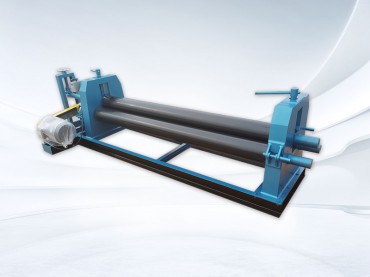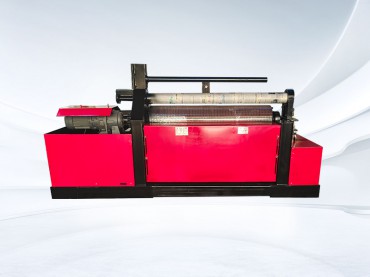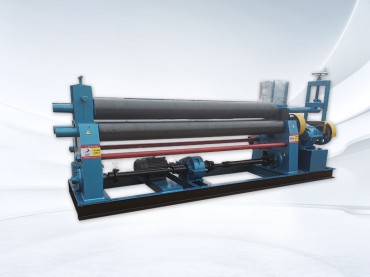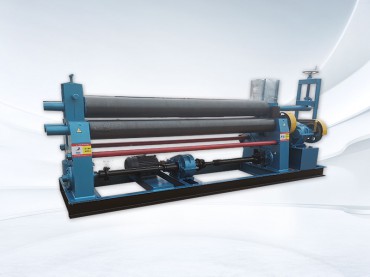
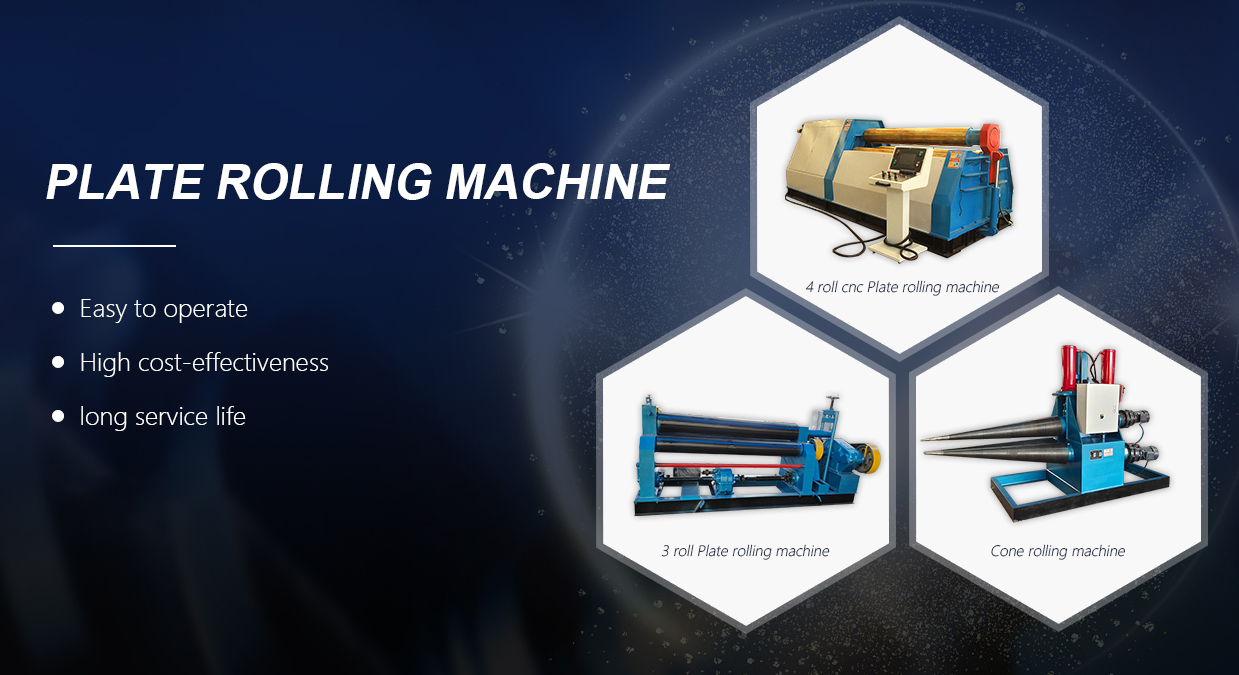
A plate rolling machine is a common piece of forming equipment in the metal plate processing industry. It is primarily used to shape flat metal plates into cylinders, arcs, or other curved components. These machines are widely utilized in sectors such as pressure vessel and storage tank manufacturing, the petrochemical industry, shipbuilding, construction, environmental protection equipment, and general machinery manufacturing. As industrial manufacturing increasingly demands higher precision and greater production efficiency, the role of plate rolling machines in various sheet metal processing lines has become ever more significant.
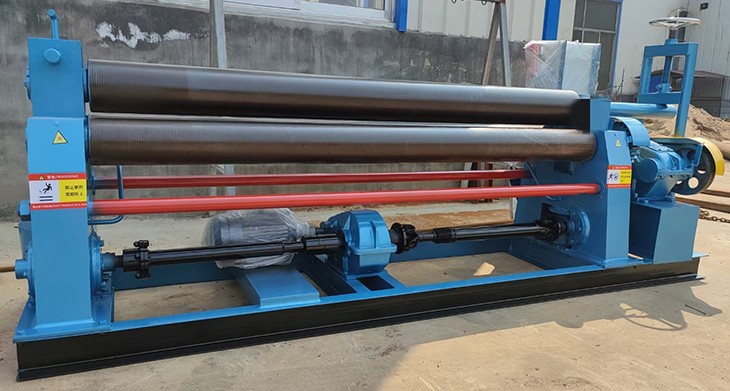
Before operating a plate rolling machine, personnel must first understand its basic structure and operating principle. While different models may vary in terms of the number of rollers, drive mechanisms, and control systems, the core function remains the same: the rollers apply pressure to the metal plate, inducing continuous, gradual plastic deformation to achieve the desired curved shape. A typical plate rolling machine consists of working rollers, a drive system, a hydraulic system, an electrical control system, a frame, and various auxiliary components.
The working rollers are the key components directly involved in shaping the plate. Depending on the design, these machines typically feature either three or four rollers. A three-roller machine shapes the plate by adjusting the relative positions of the upper and lower rollers. A four-roller machine includes an additional side roller, which allows for better control over the plate's position and helps reduce the number of adjustments required during the pre-bending and rolling processes.
The drive system powers the rotation of the working rollers, providing the necessary force for both feeding and shaping the metal plate. The hydraulic system is primarily used to control the positioning of the rollers, the applied pressure, and other mechanical actuators. The electrical control system manages machine startup, shutdown, operating mode switching, and parameter control. Some CNC (computer numerical control) plate rolling machines also feature programmable control, enabling consistent processing based on pre-set parameters.
(1) Inspect the overall condition of the equipment. Ensure that the machine is securely installed and that the frame and working rollers are free from any visible deformation, cracks, or unusual damage. Inspect the surfaces of the rollers for any visible scratches, foreign objects, or residual metal debris, as these could compromise the surface quality of the metal sheets.
(2) Inspect the hydraulic, lubrication, and electrical systems. For hydraulic plate-rolling machines, check the hydraulic fluid level, as well as the condition of pipes and fittings, ensuring there are no obvious leaks. Verify that all lubrication points are in good condition and that components requiring lubrication are properly maintained. Additionally, confirm that electrical wiring, control buttons, and safety protection devices are functioning correctly.
(3) Once the equipment inspection is complete, ensure the workspace is tidy. Keep the area around the metal sheets free of unrelated items, and maintain sufficient space in the operating zone to allow for the smooth entry/exit of sheets and the transport of workpieces.
(4) Before processing, verify that the material, thickness, width, length, and surface condition of the metal sheet meet production requirements. Different materials possess varying yield strengths, elongation rates, and work-hardening characteristics; therefore, even if sheet dimensions are identical, different processing parameters may be required.
(1) Confirm processing requirements: Before beginning, clearly define the final shape of the workpiece, its diameter or bending radius, the dimensions of the metal sheet, and the required processing precision. If rolling a cylindrical workpiece, confirm the relationship between the inner diameter, outer diameter, and sheet thickness. For cylinders that will be welded, consider the requirements for the butt joint at the sheet ends to ensure that the seam position after rolling is suitable for the subsequent welding process.
(2) Check the positioning of the metal sheet: Place the sheet in the designated loading area and ensure there are no foreign objects between the sheet edges and the rollers. The sheet should be positioned stably to prevent significant skewing during the feeding process. If the sheet is significantly warped, evaluate whether it requires leveling (flattening) first. Using an uneven sheet for rolling can negatively affect the roundness and overall dimensions of the finished workpiece.
(3) Perform pre-bending of the ends: When rolling cylindrical workpieces, it is typically necessary to pre-bend both ends of the metal sheet. During the plate-rolling process, the ends of the plate may not be fully engaged by the working rolls, which often results in the formation of long, unbent straight edges. The primary purpose of pre-bending is to minimize these straight edges, ensuring that both ends of the plate conform more accurately to the target curvature. Since the pre-bending methods differ between three-roll and four-roll plate-rolling machines, the appropriate process must be selected based on the specific equipment configuration. High-quality pre-bending is particularly critical for cylindrical workpieces that require high precision at the butt joint; if the curvature at the two ends is inconsistent, it can lead to excessive gaps or misalignment during the final closing stage.
(4) Plate Rolling: Once pre-bending is complete, proceed with continuous rolling according to the equipment’s specified operating procedures. Throughout the process, carefully monitor the movement of the plate, the positioning of its edges, and the progression of the curvature to ensure the workpiece takes shape in the intended direction.Operators must remain vigilant, ensuring the equipment runs smoothly and watching for any unusual noises, vibrations, or significant shifting of the plate. If any irregularities occur, follow the established safety protocols to halt operations and investigate the cause; never attempt to adjust the position of the plate by hand while the machine is in motion. For large or heavy plates, utilize appropriate auxiliary support and lifting equipment to prevent sagging or swaying caused by the plate’s own weight.
(5) Inspection of Dimensions and Roundness: After rolling, verify the workpiece’s diameter, radius, roundness, and the condition of the end joints against the process requirements. For cylindrical workpieces, use suitable measuring tools to check dimensions at various points, looking for signs of ovality, localized deformation, or dimensional deviations. If the workpiece is intended for welding, further inspect the alignment of the joints and the curvature at the ends. Only workpieces that meet all drawing specifications and technical requirements may proceed to subsequent stages, such as welding, assembly, or other manufacturing processes.
- Operators must undergo professional training and be thoroughly familiar with the equipment’s structure, control systems, emergency stop mechanisms, and all relevant safety regulations. Untrained personnel are strictly prohibited from operating the equipment independently. - When working, personnel must wear appropriate personal protective equipment (PPE) in accordance with factory safety requirements—such as safety shoes, eye/face protection, and workwear suitable for the specific environment. Sleeves, gloves, and any other items prone to being caught in machinery must be managed in compliance with equipment safety protocols. Wearing jewelry that could become entangled in rotating parts is prohibited, and reaching between the working rolls is strictly forbidden.
- No one is permitted to enter hazardous zones while the equipment is in operation. Furthermore, personnel must not use their hands to push, pull, or adjust metal plates while they are being rolled. If inspection, cleaning, or adjustment is required, the equipment must first be stopped according to established procedures; where necessary, energy isolation and "lockout/tagout" (LOTO) protocols must be applied to prevent accidental startup.
- When handling large metal plates, use lifting equipment and auxiliary support devices with appropriate load ratings. During lifting operations, personnel must stay clear of suspended loads and areas where the load might swing; never stand beneath a plate, and do not attempt to control the weight or movement of a large plate by holding it with your hands.
- Operators must ensure that emergency stop buttons and safety guards are in proper working order. If any abnormal vibration, hydraulic leakage, unusual noise, or control system malfunction is detected, operations must be halted immediately in accordance with safety procedures, and the equipment should be inspected by qualified personnel.
(1) The equipment should be cleaned regularly. Promptly remove metal debris, dust, and other foreign objects from the working rolls, machine frame, and surrounding work area to prevent such debris from entering the drive components or hydraulic system.
(2) Lubrication must be performed in accordance with the equipment manual. Different models of plate rolling machines may require specific lubrication methods for bearings, gears, guide mechanisms, and other moving parts. Operators must use the specified lubricants and adhere to the prescribed maintenance schedule.
(3) For hydraulic plate rolling machines, regular inspections of the hydraulic oil, filters, piping, and seals are required. The hydraulic oil must be kept clean; its condition and replacement intervals must comply with the manufacturer’s specifications. Any signs of oil contamination, abnormal temperature increases, or leaks in the piping must be addressed promptly to ensure the equipment continues to operate correctly.
(4) For the drive system, inspect the motor, reduction gearbox, couplings, and related connecting components to ensure they are in proper working order. If any abnormal noise, temperature rise, or vibration occurs, arrange for an inspection immediately.
(5) Regularly check the surface condition of the work rolls and the operational precision of the equipment. For equipment that operates under high loads for extended periods, it is essential to maintain detailed maintenance records—documenting operating hours, malfunctions, repairs performed, and the replacement of wear parts—to facilitate the early detection of potential issues.
The correct use of a plate rolling machine is critical not only to the quality of metal plate processing but also to production efficiency, equipment service life, and workplace safety. Every stage—from equipment inspection, plate preparation, and parameter selection to edge pre-bending, continuous rolling, quality inspection, and routine maintenance—must be carried out in accordance with sound technical processes and safety standards. As industrial manufacturing evolves toward greater automation, digitalization, and high precision, the control systems and processing technologies for plate rolling machines are also continuously advancing. Selecting the appropriate equipment, combined with standardized operating procedures and comprehensive maintenance management, enables enterprises to improve the quality of formed plates and optimize production workflows, providing reliable processing support for sectors such as pressure vessel manufacturing, storage tank construction, the maritime industry, and other metal fabrication fields.
 Address:Room 1202, Detaitang Building, No. 118 Huaguang Road, Zhangdian District, Zibo, Shandong
 WhatsApp:+8615653328535
 Wechat: +8615965331535
 E-mail:zs@sdsmachinery.com